How Much Does Attic Heat Actually Impact Your AC
Attic heat plays a major role in how hard your air conditioner has to work during the long Florida cooling season. Most homes in Central Florida have attics that reach 130 to 150 degrees on hot afternoons, and that heat radiates straight down into your living space. Your AC system fights this heat load every minute it runs, often without homeowners realizing it. The hotter the attic, the longer the runtime, the higher the energy bill, and the shorter the lifespan of your equipment. Understanding the connection between attic temperature and AC performance helps you make smart decisions about insulation, ventilation, and ductwork. A cooler attic means a cooler home and a healthier HVAC system. Legion Cooling helps homeowners across Winter Garden and Central Florida tackle these heat-related issues every day.
How Attic Heat Directly Affects Your Air Conditioner
Your attic acts like a giant oven sitting on top of your living space, and that stored heat pushes your AC to its limits. When attic temperatures climb past 130 degrees, the heat transfers through the ceiling, the ductwork, and any gaps in the building envelope. Your air conditioner then has to remove that extra heat load, which means longer cycles and higher electric bills. Ductwork running through a hot attic can lose 20 to 40 percent of its cooling capacity before the air ever reaches your vents. This is one of the biggest hidden energy drains in Florida homes. Addressing attic heat is one of the most effective ways to improve cooling performance.
Attic Heat Increases AC Runtime and Energy Costs
Hot attics force your air conditioner to run far longer than it should during peak summer hours. Every degree of attic heat above 100 degrees adds measurable strain to the compressor, the blower motor, and the refrigerant lines. Homeowners often see their AC running almost continuously from noon until sunset, which drives up energy bills by hundreds of dollars per season. The system never gets a real break, so internal components wear out faster than the manufacturer intended. Florida heat already pushes equipment hard, and a superheated attic makes the problem much worse. Reducing attic temperatures can cut runtime by 15 to 25 percent in many homes. That translates directly into lower utility costs and fewer repair calls.
The effect on energy bills shows up most clearly in the months from May through September. During these months, attic temperatures peak in the early afternoon and stay high until well after sunset. Your AC has to work against this stored heat long after the sun goes down, which is why so many Florida homeowners notice their systems running late into the night. A poorly ventilated attic can stay above 120 degrees for hours after dark. That extended heat soak forces the compressor to cycle far more than necessary. Adding proper attic ventilation, radiant barriers, or upgraded insulation gives the system real relief.
Energy waste from attic heat compounds over time and shortens equipment life. A compressor rated for 12 to 15 years often fails years early when it runs in extreme conditions every summer. Capacitors, contactors, and fan motors also degrade faster under heavy load. The financial impact stacks up: higher monthly bills, more frequent repairs, and earlier replacement costs. Need help diagnosing why your AC runs nonstop? Click here for our air conditioning service. Our team finds the root cause and gives honest recommendations.
Attic Heat Damages Ductwork and Reduces Airflow
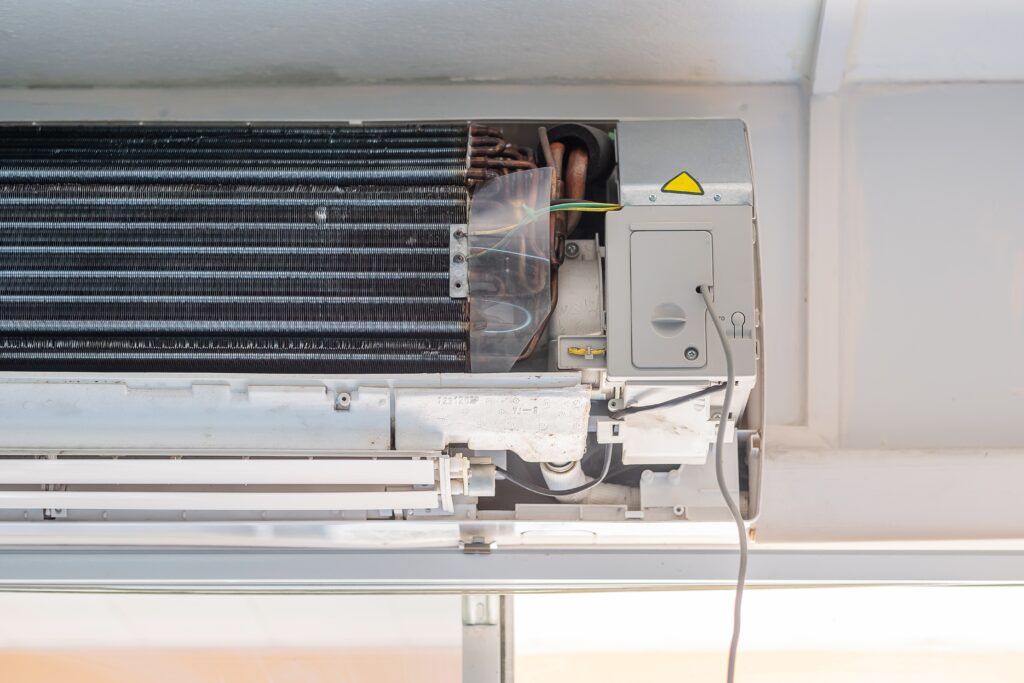
Most Florida homes have ductwork running through the attic, which puts cooled air right in the path of extreme heat. Flexible ducts and metal ducts both lose efficiency when surrounded by 140-degree air. The cooled air leaving your evaporator coil at 55 degrees can warm up by 5 to 10 degrees before it reaches the supply registers. That means your AC works harder to deliver air that is already warmer than it should be. Insulation around ducts breaks down faster in superheated attics, creating gaps and weak spots. Damaged duct insulation makes the problem worse every year.
Heat also causes duct connections to loosen, mastic to crack, and tape to lose adhesion. These small failures create air leaks that pull hot, dusty attic air into your supply system. Some homes lose 25 to 30 percent of their conditioned air to leaks before it reaches the rooms. That wasted air costs money and reduces comfort, especially in rooms farthest from the air handler. Bedrooms upstairs or at the back of the house often feel warm and stuffy because of these issues. Sealing and insulating ductwork properly restores airflow and lowers bills.
Attic heat also affects indoor air quality through compromised ductwork. Leaky returns pull in fiberglass particles, dust, rodent droppings, and humid attic air loaded with allergens. That air gets circulated through every room of the home. Homeowners with allergy or asthma symptoms often improve quickly after sealing duct leaks and addressing attic conditions. Want to improve airflow and air quality? Click here for our air ducts service. We inspect, seal, and repair duct systems across Central Florida.
Attic Heat Shortens AC Equipment Lifespan
Air handlers installed in the attic suffer the most from extreme temperatures. The blower motor, control board, and evaporator coil all sit inside an enclosure that gets baked every summer day. Electronic components have temperature limits, and exceeding them repeatedly causes premature failure. Capacitors swell and fail, contactors pit and burn, and circuit boards develop hairline cracks. These failures often happen during the hottest weeks of the year, exactly when you need the system most. A well-maintained system in a cool attic lasts longer than the same system in a 150-degree attic.
Refrigerant lines also suffer in hot attics. The suction line carries cool refrigerant back to the compressor, and high attic temperatures reduce its efficiency. The compressor then has to work harder to maintain proper pressures and temperatures. Over years of operation, this added strain causes valve failures, oil breakdown, and compressor burnout. Replacing a compressor costs thousands of dollars, so anything that extends its life is worth the investment. Proper attic ventilation, radiant barriers, and sealed ductwork all help reduce this strain.
Routine maintenance becomes even more important for systems exposed to attic heat. Annual tune-ups catch problems early before they turn into expensive failures. Technicians check refrigerant levels, capacitor health, motor amp draws, and duct integrity during a thorough visit. Catching a weak capacitor or a small refrigerant leak prevents a hot July breakdown. Florida homeowners benefit from twice-yearly maintenance because of how hard our climate works HVAC equipment. Skipping maintenance in this environment almost guarantees early failure.
How to Reduce Attic Heat and Improve AC Performance
Reducing attic heat is one of the smartest investments a Florida homeowner can make. Several proven strategies lower attic temperatures, protect your HVAC system, and cut energy costs. The right combination depends on your home’s age, roof type, insulation level, and ductwork location. A professional assessment helps identify which improvements deliver the best return. Even small changes can drop attic temperatures by 20 to 30 degrees during peak summer hours. That kind of reduction takes real strain off your air conditioner and extends its working life.
Reduce Attic Heat With Proper Ventilation and Insulation
Attic ventilation is the first line of defense against extreme heat buildup. Soffit vents, ridge vents, and gable vents work together to move hot air out and pull cooler air in. Many older Florida homes have inadequate ventilation that traps heat for hours after sunset. Adding ridge vents or upgrading soffit vents creates a steady airflow path that flushes hot air out continuously. Proper ventilation alone can drop attic temperatures by 15 to 25 degrees on a hot day. That single improvement reduces AC runtime and lowers energy bills.
Insulation works hand in hand with ventilation to keep your home comfortable. Florida building codes require R-30 insulation in most attics, but many older homes have R-19 or less. Upgrading to R-38 or R-49 creates a stronger thermal barrier between your attic and your living space. Blown-in cellulose and fiberglass batts both work well when installed correctly. Air sealing around can lights, plumbing penetrations, and the attic hatch makes insulation perform even better. These upgrades pay for themselves through lower bills and improved comfort.
Radiant barriers add another layer of protection by reflecting heat away from the attic floor. Foil-faced sheathing, radiant barrier paint, and rolled barriers all reduce heat transfer from the roof deck. Combined with good ventilation and insulation, radiant barriers can keep attic temperatures 30 degrees cooler on peak summer days. That cooler attic protects ductwork, reduces heat gain through the ceiling, and helps your AC keep up during heat waves. Florida homeowners often see noticeable comfort improvements within days of installation.
Reduce Attic Heat With Sealed and Insulated Ductwork
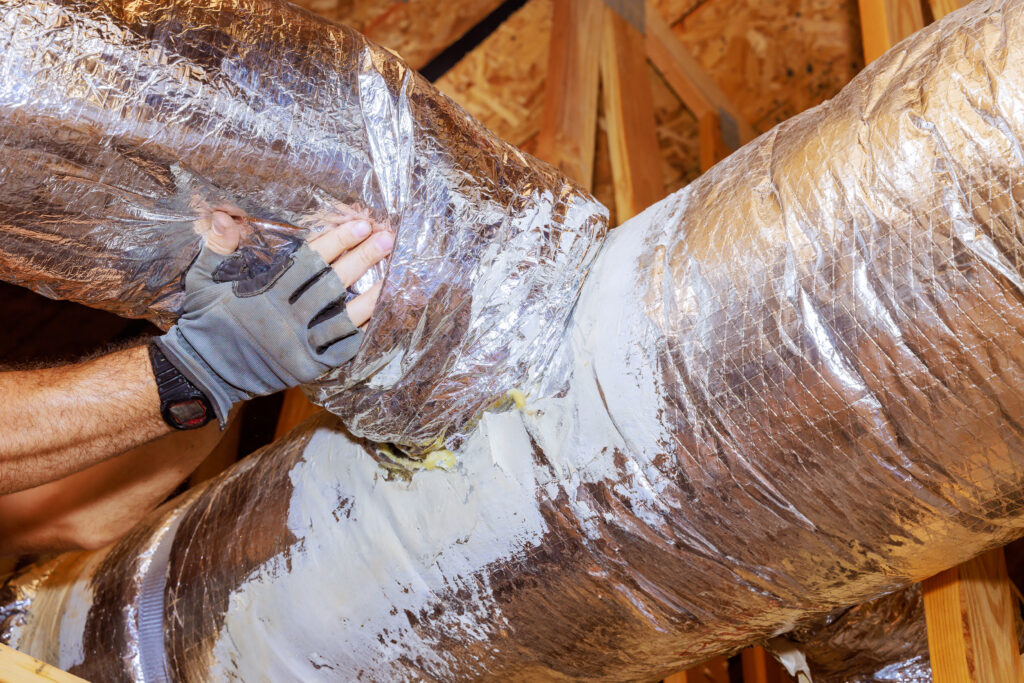
Properly sealed ductwork keeps cooled air where it belongs and blocks hot attic air from entering. Mastic sealant, foil tape, and modern duct connectors all play a role in creating an airtight system. Older homes often have leaky duct connections that waste 20 to 30 percent of conditioned air. A professional duct inspection finds these leaks using smoke pencils, pressure tests, and thermal imaging. Sealing those leaks delivers immediate energy savings and better airflow throughout the home. The improvement shows up in lower bills and more even room temperatures.
Insulating the ductwork itself is just as important as sealing it. Duct insulation rated R-6 or R-8 keeps cooled air from absorbing attic heat as it travels through the system. Older homes sometimes have ducts wrapped in thin, deteriorated insulation that no longer protects against extreme temperatures. Replacing or upgrading duct insulation restores cooling capacity and reduces strain on the air conditioner. Many homeowners notice rooms cooling faster and more evenly after this work. The investment typically pays back through lower energy bills within a few years.
Duct location also matters when planning long-term improvements. Some homeowners choose to relocate ductwork from the attic into the conditioned space during major renovations. This change eliminates attic heat exposure entirely and dramatically improves efficiency. Spray foam insulation applied to the underside of the roof deck creates a sealed, conditioned attic that protects ductwork and equipment. These bigger projects deliver the largest energy savings but require careful planning. A professional HVAC contractor can help you decide which approach fits your home and budget.
Reduce Attic Heat With Smart Thermostats and System Upgrades
A smart thermostat helps manage attic heat impact by optimizing AC runtime throughout the day. Programmable schedules let you pre-cool the home during cooler morning hours when the attic temperature is lower. The system then coasts through the hottest part of the day with less effort. Geofencing features adjust temperatures automatically when you leave or return home. These small adjustments add up to real energy savings over a Florida cooling season. Modern thermostats also track runtime and alert you to performance issues early.
Upgrading to a high-efficiency air conditioner pays off faster in homes with heavy attic heat loads. Modern variable-speed systems adjust output to match the actual cooling demand instead of running full blast every cycle. They handle humidity better, run quieter, and use significantly less electricity. SEER2 ratings of 16 or higher deliver noticeable savings compared to older 10 or 13 SEER units. The right-sized system makes a huge difference in performance and longevity. Oversized units short-cycle and fail to remove humidity, while undersized units run constantly and burn out early.
Heat pumps offer another efficient option for Central Florida homes with hot attics. They handle both heating and cooling with one piece of equipment, and modern models perform exceptionally well in our climate. Pairing a heat pump with sealed ductwork and proper attic insulation creates a highly efficient comfort system. Want to learn more about energy-efficient cooling options? Click here for our heat pump service. We help homeowners choose the right system for their home and budget.
Why You Need Legion Cooling to Address Attic Heat Problems
Attic heat affects every Florida homeowner, but few HVAC companies take the time to address it properly. Legion Cooling treats your home as a complete system, looking at insulation, ductwork, equipment, and airflow together. We help you understand the real source of comfort problems instead of just patching symptoms. Our team has the training and tools to identify hidden issues that drain efficiency and shorten equipment life. Honest recommendations and straightforward pricing are part of how we do business every day. We serve Winter Garden and surrounding Central Florida communities with care and integrity.
Trust Legion Cooling for Honest Attic Heat Solutions
Our technicians arrive on time, listen carefully, and explain every finding in plain language. We never push unnecessary upgrades or use scare tactics to close a sale. Every recommendation we make has a clear reason behind it, and we welcome questions from homeowners. Our straightforward quotes include all costs upfront with no hidden fees or surprise charges. That kind of honesty has built our reputation across Central Florida. Homeowners trust us because we treat their homes the way we would treat our own.
Diagnosing attic heat issues takes experience and the right tools. We use thermal imaging cameras, pressure testing equipment, and temperature probes to find real problems. These tests reveal duct leaks, insulation gaps, and ventilation issues that visual inspections miss. Once we know the exact issues, we explain the options and let you choose the path that fits your budget. No high-pressure sales, just clear information and quality work. That approach is the foundation of our business.
We also believe in doing the job right the first time. Quick patches create more problems down the road, so we focus on solutions that last. Our technicians follow manufacturer specifications, building codes, and industry best practices on every job. We stand behind our work with strong warranties and responsive service. When something needs follow-up, we respond fast and make it right. That commitment keeps our customers loyal year after year.
Trust Legion Cooling for Complete Attic Heat Diagnostics
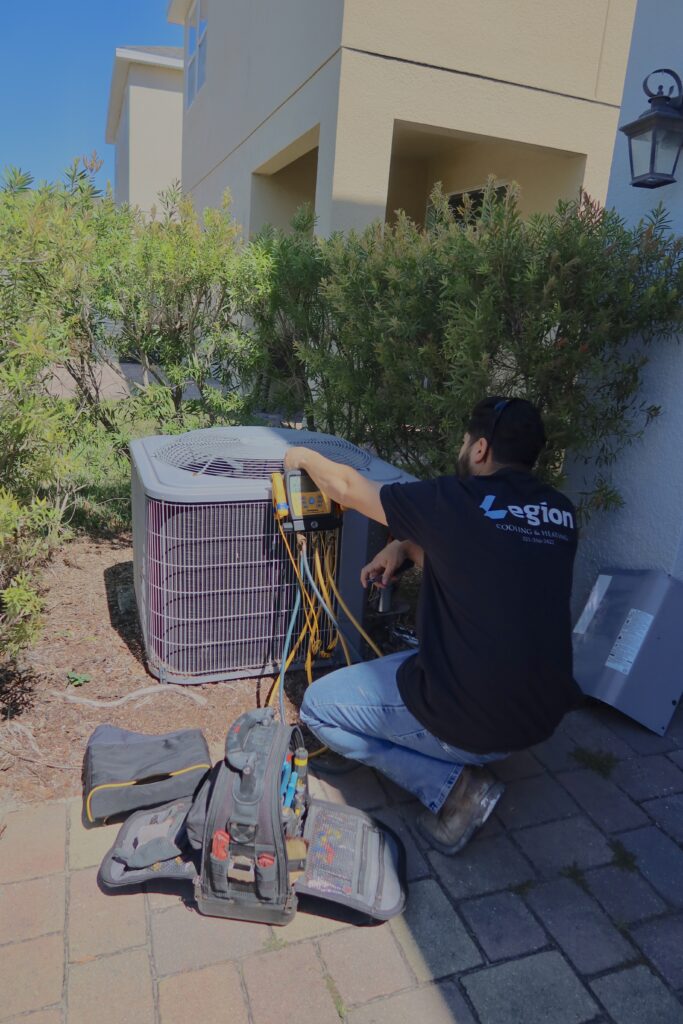
A proper attic heat assessment looks at the whole picture, not just one piece. We measure attic temperatures, check insulation levels, inspect ductwork, and evaluate ventilation paths. We also test your HVAC equipment to see how much extra strain it carries from heat exposure. This complete picture helps us recommend the right combination of fixes for your home. Some homes need minor improvements, while others benefit from larger upgrades. Either way, we give you honest options based on real data.
Our team explains test results in plain language so you can make informed choices. We show you photos, thermal images, and measurements that tell the real story. That transparency helps homeowners feel confident about the work being recommended. We also prioritize repairs and upgrades by impact, so you know which improvements deliver the biggest benefit first. Smart spending matters, and we help our customers stretch every dollar. Many homeowners choose to phase improvements over time, and we support that approach.
After completing repairs or upgrades, we retest the system to confirm the improvements worked. This follow-through is rare in the industry but standard at Legion Cooling. Verified results give homeowners peace of mind that the investment paid off. Need a complete attic heat assessment? Click here for our air conditioning service. Our team is ready to help.
Trust Legion Cooling Because We Treat Customers Like Family
Legion Cooling is family owned and faith driven, and those values shape every interaction. We treat our customers the way we want our own families treated, with respect, honesty, and care. Licensed and insured technicians do the work, so you never have to worry about quality or accountability. Our team takes pride in every job, big or small, because we know our reputation depends on it. That family-first mindset builds long-term relationships across Central Florida. Many of our customers call us back year after year for maintenance and upgrades.
Financing options make quality HVAC work accessible to more homeowners. Major repairs and system upgrades can stretch any budget, and we work with you to find a payment plan that fits. Approvals are quick, and the process is straightforward with no hidden costs. We never let financing pressure homeowners into oversized projects. Our goal is to solve your problem at a price that makes sense. Honest financial guidance is part of how we serve our community.
Local ownership means we are right here in Winter Garden, not a distant corporate office. We know Central Florida homes, the climate challenges, and the construction styles that affect HVAC performance. That local knowledge helps us deliver better results faster. When you call Legion Cooling, you reach real people who care about doing the job right. Our community trusts us, and we work hard to keep earning that trust every day.