The Truth About Air Purifiers and Whole Home Filtration
Florida summers push air conditioners into overdrive, and all that recirculating air carries dust, pollen, pet dander, and mold spores through your home. Many homeowners buy a small portable air purifier and assume the problem is solved. The truth is that portable units and whole home filtration systems work very differently, and the difference matters for your health and your wallet. A single room purifier cleans a fraction of your indoor air; a whole home system treats every cubic foot that passes through your HVAC equipment. Marketing claims make this topic confusing, so it helps to understand how each option actually performs. Indoor air can be two to five times more polluted than outdoor air, which is a real concern when your family spends the hottest months inside. This guide explains what air purifiers and whole home filtration can do, what they cannot do, and how to choose the right setup for your Central Florida home. Legion Cooling installs and services indoor air quality equipment across the Orlando area, and we believe honest information should come before any sales pitch.
How Air Purifiers and Whole Home Filtration Actually Work
Air purifiers and whole home filtration both remove contaminants from indoor air, but they do it at different scales and with different technology. Portable air purifiers pull room air through a fan and a filter, then push cleaned air back out into that single space. Whole home filtration installs directly into your HVAC system, so every time your air conditioner runs, the air in your entire house gets filtered. Some systems use dense media filters, some use electronic air cleaners, and others add UV lights that neutralize biological contaminants. Each technology targets different pollutants, which is why one product rarely solves every air quality problem. Understanding the mechanics helps you avoid spending money on equipment that cannot deliver what the box promises. The right choice depends on your home size, your HVAC system, and the specific contaminants you need to remove.
The Truth About How Portable Air Purifiers Clean a Room
A portable air purifier works by drawing air through one or more filters using an internal fan. Most quality units combine a prefilter for large debris, a HEPA filter for fine particles, and sometimes a carbon layer for odors. True HEPA filters capture 99.97 percent of particles down to 0.3 microns, which includes most pollen, dust mite debris, and pet dander. That sounds impressive, and within a small closed room, it genuinely is. The problem is coverage, because a purifier rated for 300 square feet does nothing for the bedroom down the hall. Air also has to physically reach the unit, so furniture placement and airflow patterns limit real world performance. Manufacturers rate purifiers using CADR, which stands for clean air delivery rate, and higher numbers mean faster cleaning. Homeowners should match CADR to room size instead of trusting vague marketing language on the packaging.
Portable purifiers have real strengths in the right situations. They excel in bedrooms for allergy sufferers, nurseries, and home offices where one person spends many hours. They require no installation, so renters can use them freely and take them along when they move. Replacement filters are easy to find, and swapping them takes less than a minute in most models. A good unit running in a closed bedroom can noticeably reduce nighttime allergy symptoms within days. Some models include air quality sensors that ramp the fan up automatically when particle counts rise. Cooking smoke, candle soot, and pet odors in a single room respond well to this approach. For targeted, single room problems, a portable purifier is an honest and effective tool.
The limitations show up when homeowners expect one portable unit to fix a whole house. Running five or six purifiers to cover every room gets expensive fast, both in upfront cost and in replacement filters. Each unit adds noise, takes up floor space, and consumes electricity around the clock. Portable purifiers also do nothing about contaminants hiding inside your ductwork, which recirculate every time the air conditioner cycles on. They cannot address humidity, and Florida humidity is a major driver of mold growth and dust mite populations. If family members react to allergens in every room, the portable approach becomes a losing battle. Ozone generating purifiers deserve a special warning, because ozone irritates lungs and the EPA advises against them for occupied spaces. Whole home solutions exist precisely because room by room cleaning has a ceiling.
The Truth About Whole Home Filtration Through Your HVAC System
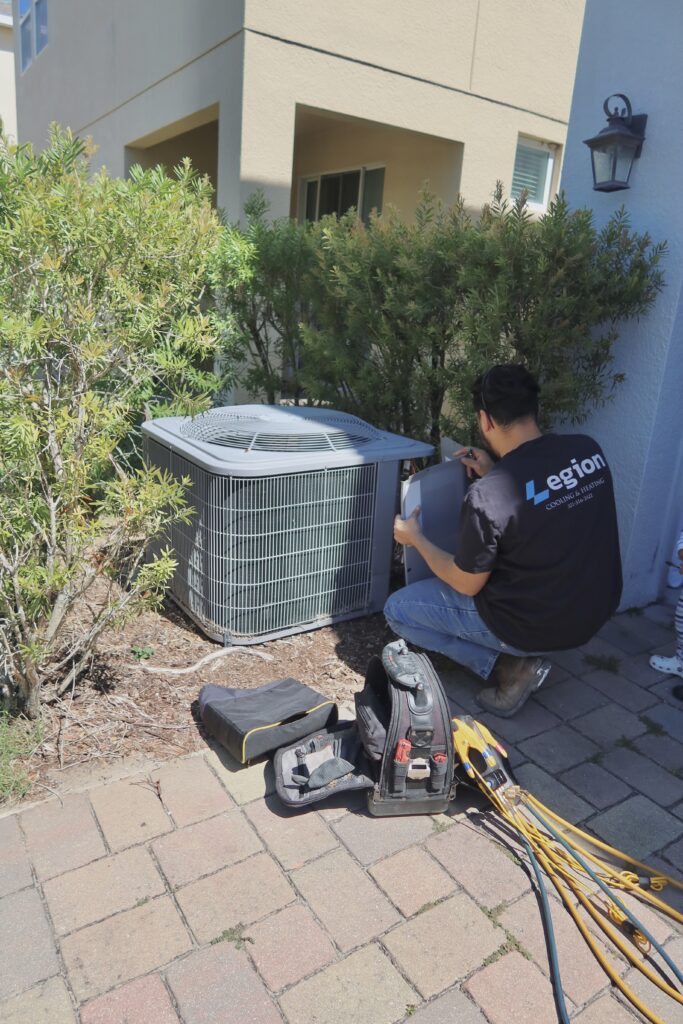
Whole home filtration turns your existing heating and cooling system into an air cleaning machine. Instead of the thin one inch filter that came with your air handler, a media filter cabinet holds a four or five inch pleated filter with far more surface area. That extra surface captures more particles while allowing better airflow, which protects your blower motor from strain. Filters are rated by MERV, which stands for minimum efficiency reporting value, on a scale from 1 to 20. Residential systems typically perform best with MERV 8 through MERV 13 filters, and MERV 13 captures fine particles including smoke and many bacteria. Every time your air conditioner runs, the entire volume of air in your home passes through this filter multiple times per hour. During a Florida summer, that means near constant filtration without any effort on your part. One properly sized media filter often outperforms several portable units combined.
Electronic air cleaners and polarized media systems take whole home filtration a step further. These devices place an electric charge on particles, causing them to stick to collection plates or charged filter media. They capture extremely fine particles that mechanical filters struggle with, including some viruses and smoke particulates. UV germicidal lights add another layer by shining ultraviolet light on the evaporator coil and passing air. UV light damages the DNA of mold spores, bacteria, and viruses, which stops them from reproducing inside your system. The evaporator coil stays cool and damp all summer, making it a prime breeding ground for biological growth without UV protection. Combining a high MERV media filter with UV treatment covers both particles and living contaminants. Legion Cooling can evaluate your system and recommend the right combination. Want cleaner air in every room of your house? Click here for our indoor air quality services.
Whole home filtration does have honest limitations that homeowners should know before buying. The system only filters air when the blower runs, so air sits unfiltered during long off cycles in mild weather. Some thermostats offer a circulation mode that runs the fan periodically to solve this. Very high MERV filters can restrict airflow in systems that were not designed for them, which reduces efficiency and stresses equipment. That is why professional sizing matters more than grabbing the highest number on the shelf. Whole home systems also cannot fix contaminated ductwork on their own, since dust and mold downstream of the filter still reach your rooms. Leaky ducts pull in attic air, insulation fibers, and humidity that bypass filtration entirely. Concerned your ducts are adding to the problem? Click here for our air duct services.
The Truth About Air Purifier Marketing Claims and Filtration Myths
The air purifier industry generates plenty of claims that do not hold up under scrutiny. One common myth says a purifier eliminates the need to change your HVAC filter, which is false because the two devices protect different things. Another myth claims ionizers clean air silently with no filters needed; in reality, many ionizers simply make particles stick to your walls and furniture instead of removing them. Some units marketed as HEPA style or HEPA like do not meet true HEPA standards at all. Ozone generators are sometimes sold as air purifiers even though ozone is a lung irritant that the EPA warns against. Claims about removing 99.9 percent of viruses often come from sealed laboratory chambers, not real homes with open doors and constant air movement. Smart homeowners read the fine print and check for third party testing. Honest performance data uses CADR ratings, true HEPA certification, and MERV values rather than vague percentages.
Filtration myths cost homeowners money in another direction too. Many people believe the cheapest fiberglass filter is fine as long as they change it monthly. Those filters exist mainly to protect equipment from large debris, and they do almost nothing for the air your family breathes. Others believe washing and reusing disposable filters saves money, but wet filters grow mold and lose their electrostatic charge. Some homeowners jam a MERV 16 filter into a system built for MERV 8, then wonder why cooling performance drops and energy bills climb. Restricted airflow makes the blower work harder, freezes coils, and shortens equipment life. The right filter balances capture efficiency with the airflow your specific system needs. A professional assessment prevents these expensive mistakes before they happen.
The biggest truth in this whole discussion is that filtration works best as part of a complete strategy. Clean air requires source control, ventilation, humidity management, and filtration working together. No purifier can keep up if a crawlspace moisture problem feeds constant mold growth. No filter can capture gases and odors without activated carbon designed for that job. Humidity above 60 percent lets dust mites and mold thrive no matter how good your filter is, and Florida humidity sits above that level most of the year outside. Your air conditioner removes humidity while it cools, so a properly functioning AC is itself an air quality device. Filtration then handles the particles that dehumidification cannot touch. Homeowners who understand this layered approach get real results instead of chasing single product promises.
Choosing Between an Air Purifier and Whole Home Filtration for Your House
Choosing between a portable air purifier and whole home filtration comes down to your goals, your budget, and your home. Renters and single room problems favor portable units, while homeowners with allergies throughout the house benefit from whole home systems. Cost comparisons should include filter replacements and electricity over several years, not just the purchase price. A quality portable unit costs 200 to 900 dollars, and covering a whole house with them can exceed the cost of one professionally installed media filter system. Whole home equipment also adds value that stays with the house. Your HVAC system’s age and condition matter too, since filtration upgrades work best on well maintained equipment. Many Central Florida families end up combining both, using whole home filtration as the foundation and a portable HEPA unit in one bedroom for extra protection. The sections below break down how to make the right call.
When an Air Purifier Is the Right Choice for Your Home
A portable air purifier makes sense when your air quality problem lives in one specific room. A family member with asthma or severe allergies gains real benefit from a true HEPA unit running in their bedroom overnight. Sleep is when the body repairs itself, and eight hours of filtered air in a closed room measurably reduces exposure. Renters who cannot modify the HVAC system have few other options, and portable units move with them at the end of a lease. Homes without central air, which are rare in Florida but do exist, also rely on portable filtration. New pet owners sometimes use a purifier in the main living area while everyone adjusts to the dander. Temporary situations like nearby construction dust or wildfire smoke events justify a portable unit too. The key is matching the CADR rating to the actual room size with some margin to spare.
Getting real results from a portable purifier requires using it correctly. Keep doors and windows in that room closed so the unit is not trying to clean the whole neighborhood. Place it away from walls and furniture so air can flow freely into the intake. Run it continuously rather than only when you notice symptoms, because particle levels rebound quickly once the fan stops. Replace filters on the manufacturer schedule, since a clogged HEPA filter moves less air and cleans more slowly. Skip any unit that advertises ozone production, no matter how the marketing frames it. Look for AHAM verified CADR numbers and true HEPA certification on the label. A well chosen unit used this way delivers exactly what it promises within its coverage area.
Even the best portable purifier has a job description, and homeowners should respect its limits. It will not lower your humidity, and humidity control is half the battle in a Florida home. It will not clean the air inside your ductwork or stop duct leaks from pulling dirty attic air into your living space. It cannot protect your air conditioning equipment from dust buildup the way an HVAC filter does. If you find yourself pricing a third or fourth portable unit, that is a signal the problem outgrew the portable approach. At that point, upgrading filtration at the air handler costs less and works better. Think of portable purifiers as a scalpel for one room, not a solution for the whole house.
When Whole Home Filtration Is the Right Choice for Your Home
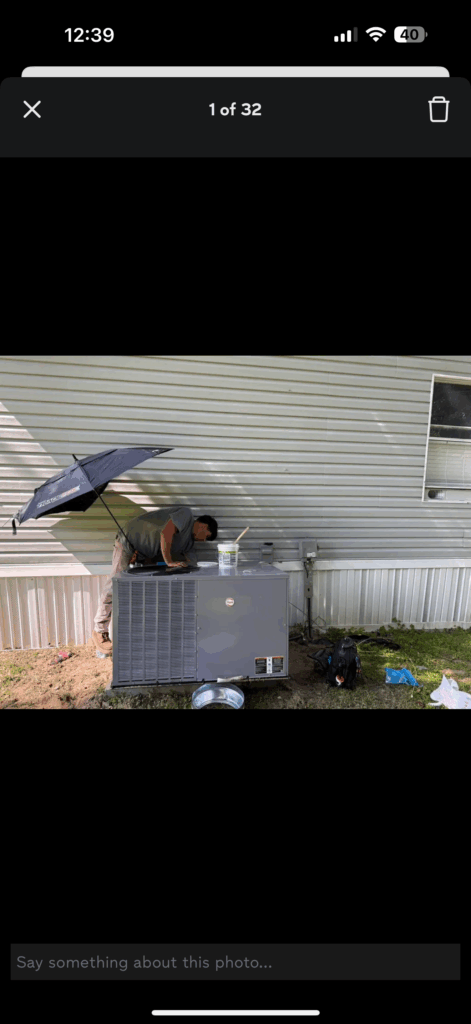
Whole home filtration is the right choice when air quality problems affect multiple rooms or multiple family members. Allergy symptoms that follow people from the bedroom to the kitchen point to contaminants circulating through the entire duct system. Homes with pets shedding dander in every room need filtration at the system level, not room by room. Frequent dusting is another strong signal, because visible dust settling on furniture means fine particles are riding your ductwork all day. Families with young children, elderly members, or anyone with respiratory conditions gain the most from treating all the air. Florida homes run their air conditioners eight or more months a year, which means the HVAC system already moves all your air constantly. Adding serious filtration to that existing airflow is the most efficient path to cleaner air. One upgrade at the air handler improves every room at once.
Installation is where whole home filtration differs most from the portable route. A technician evaluates your blower capacity, static pressure, and duct design before recommending a filter grade. A media cabinet gets installed at the return side of your air handler, and the four or five inch filter inside typically lasts six months to a year. Electronic air cleaners and UV lights mount in the same area and wire into the system. Proper installation matters because a poorly sealed filter cabinet lets air bypass the filter entirely. This is not a weekend DIY project if you want the performance you paid for. Legion Cooling handles sizing, installation, and maintenance so the system actually delivers its rated efficiency. Ready to upgrade the air your whole family breathes? Click here for our indoor air quality services.
The long term economics favor whole home filtration for most homeowners. One media filter costing 40 to 80 dollars per year replaces a dozen or more one inch filters and multiple portable unit cartridges. Cleaner coils and blower components mean your air conditioner runs closer to its rated efficiency, which shows up on summer power bills. Dust buildup on the evaporator coil forces longer run times, so filtration protects both air quality and equipment life. UV lights keep the coil free of biological growth that would otherwise require chemical cleanings. A protected system breaks down less often and lasts more years before replacement. When you add up filter savings, energy savings, and avoided repairs, whole home filtration usually pays for itself. It also runs silently inside your ductwork instead of humming in the corner of your bedroom.
Combining Air Purifiers and Whole Home Filtration for the Best Results
Many Central Florida homes get the best air quality by layering both approaches together. Whole home filtration serves as the foundation, scrubbing every cubic foot of air that moves through the HVAC system. A portable HEPA unit then adds targeted protection in the room where the most vulnerable person sleeps. This layered setup mirrors how hospitals and clean facilities approach air quality, with general filtration plus point of use protection. An allergy sufferer’s bedroom benefits from both the filtered supply air and the constant local cleaning. The portable unit also covers gaps when the air conditioner cycles off during mild weather. Neither device works as hard, so filters in both last closer to their full rated life. Families with severe allergies, asthma, or immune concerns should strongly consider this combination.
Humidity control belongs in this layered strategy as well, especially in Winter Garden and the surrounding Orlando area. Your air conditioner is your primary dehumidifier, and an oversized or short cycling unit removes heat without pulling enough moisture. Indoor humidity above 60 percent feeds mold growth and dust mite populations that no filter can fully outpace. A correctly sized and maintained AC keeps humidity in the healthy 45 to 55 percent range. Some homes benefit from a dedicated whole home dehumidifier tied into the ductwork. Ventilation matters too, since fresh outdoor air dilutes indoor pollutants that build up in tightly sealed homes. Filtration, humidity control, and ventilation work as a team, and weakness in one area undermines the others. An honest HVAC contractor evaluates all three before selling you anything.
Maintenance ties the whole strategy together and keeps it working year after year. Mark filter change dates on your calendar or set phone reminders, because a loaded filter chokes airflow and cooling performance. Check portable unit filters monthly during heavy use seasons and replace them when they darken. Have UV bulbs replaced on schedule, since they lose germicidal strength long before they burn out visibly. Schedule professional HVAC maintenance twice a year so a technician can inspect coils, drain lines, and duct connections. Duct leaks discovered early cost little to seal and prevent months of contaminated air. Air quality is not a one time purchase; it is a system you maintain like anything else that protects your family. Homeowners who stay on schedule breathe the difference every day.
Why You Need a Professional Indoor Air Quality Assessment
Guessing at air quality solutions wastes money and leaves problems unsolved. A professional assessment identifies exactly what is in your air, where it comes from, and which equipment will actually fix it. Technicians measure humidity, inspect ductwork, evaluate your current filtration, and check your system’s airflow capacity. That information turns a confusing wall of products into a clear plan with real numbers behind it. Legion Cooling provides straightforward quotes with no hidden fees, so you know the full cost before any work begins. Your family breathes this air every single day, and that deserves more than a guess.
The Benefits of a Professional Indoor Air Quality Assessment
A professional assessment starts with measurement instead of assumptions. Technicians check particle levels, humidity readings, and airflow at your air handler and registers. They inspect the evaporator coil for biological growth and look inside ductwork for dust accumulation and leaks. This process often reveals surprises, like a disconnected duct dumping conditioned air into the attic. Homeowners frequently discover their real problem is duct leakage or humidity rather than the filter they suspected. Accurate diagnosis means you buy the right solution the first time.
The assessment also protects you from overbuying equipment you do not need. Plenty of homes need nothing more than a media filter upgrade and a duct sealing repair. Others genuinely benefit from UV lights or an electronic air cleaner, and the data shows which is which. A technician confirms your blower can handle a higher MERV filter before you install one. Matching equipment to your actual system prevents airflow problems that damage compressors and coils. Honest recommendations save money now and prevent repairs later.
Timing matters, and summer is the ideal season for this evaluation in Florida. Your air conditioner runs almost constantly from June through September, which means every air quality weakness is amplified right now. Pollutants circulate more, humidity challenges peak, and closed windows trap everything inside. Fixing filtration during heavy cooling season delivers immediate, noticeable results. An assessment can also fold into a routine AC maintenance visit for convenience. Is your air conditioner ready for the rest of summer? Click here for our air conditioning services.
How Professional Installation Protects Your Air Quality Investment
Professional installation determines how much of your equipment’s rated performance you actually receive. A media filter cabinet must be sealed so air cannot slip around the filter edges. Even small bypass gaps let a large share of your air skip filtration entirely. UV lights need precise placement to cover the coil surface where growth actually occurs. Electronic air cleaners require correct wiring and airflow orientation to charge and capture particles. Getting these details right is the difference between clean air and expensive decoration.
Sizing decisions during installation protect your HVAC equipment for years. Every filter adds resistance, and your blower has a fixed capacity to overcome it. A professional measures static pressure before and after installation to confirm the system breathes properly. Skipping this step leads to frozen coils, overheated motors, and rising energy bills. Licensed and insured technicians also pull required permits and follow manufacturer specifications that keep warranties valid. Cutting corners on installation quietly erases the value of quality equipment.
Ongoing support after installation keeps your investment performing. Professionals set you up with the correct replacement filter sizes and a realistic maintenance schedule. They document your system’s baseline readings so future visits catch problems early. When a UV bulb needs replacement or a filter cabinet needs adjustment, you have a team that already knows your equipment. Seasonal maintenance visits verify the whole air quality system still performs as designed. That continuity is something no online purchase can provide.
Why Choose Legion Cooling for Your Indoor Air Quality Needs
Legion Cooling is a family owned, faith driven company serving Winter Garden and the greater Orlando area. We are locally owned and operated with integrity, and our neighbors are our customers. Our team lives in the same humid Florida climate you do, so we understand exactly what Central Florida air does to homes and lungs. We built this company on honest expert service, not high pressure sales tactics. When we recommend equipment, it is because your home actually needs it. That commitment has earned the trust of families across our service area.
We back our work with the credentials and transparency homeowners deserve. Legion Cooling is fully licensed and insured, and every quote is straightforward with no hidden fees. You will know the complete price before any work starts, in plain language you can understand. Financing is available, so improving your family’s air does not have to wait for a perfect budget month. We are committed to getting it done right every time, and we stand behind every installation. If something is not right, we make it right.
Our team serves Winter Garden, Ocoee, Windermere, Clermont, Apopka, Kissimmee, and communities throughout the Orlando area. From media filter upgrades to UV light installation to complete duct evaluations, we handle every part of your indoor air quality plan. One call connects you with technicians who treat your home like their own. Reach us at (321) 316-2422 or email info@legioncooling.com to schedule your assessment. Visit us at 1334 Winter Green Way, Winter Garden FL 34787. Cleaner air for your family starts with an honest conversation.