
5 Benefits of Professional HVAC Installation
When the time comes to replace the air conditioning system in your Winter Garden home, the focus is almost always on the equipment itself. Homeowners spend hours researching brands, comparing SEER ratings, and debating the merits of variable speed compressors versus single stage models. While selecting the right hardware is undeniably important, it is only half of the equation. The most advanced, high efficiency heat pump on the market is nothing more than a collection of metal and wires until it is installed. The quality of that installation is the single biggest factor in determining how well the system performs, how long it lasts, and how much it costs to operate.
In an era of DIY videos and internet tutorials, it can be tempting to view HVAC installation as just another home improvement project, or something that can be handled by a general handyman to save a few dollars. However, an air conditioning system is a complex integration of electrical, mechanical, and chemical systems that must work in perfect harmony. It involves high voltage electricity, high pressure refrigerant gases, and precise airflow calculations. A professional installation by a licensed contractor like Legion Cooling is not just a service; it is the foundation of your home’s comfort and safety. Skipping the professional route often leads to a cascade of performance issues, efficiency losses, and premature failures that cost far more in the long run than the initial savings of a budget install.
The Critical Science of Correct Sizing
One of the most persistent myths in the world of air conditioning is that bigger is always better. Many homeowners, and even some inexperienced installers, believe that installing a larger unit than necessary will cool the home faster and better. In the unique climate of Central Florida, this logic is flawed and leads to significant comfort issues. An air conditioner has two jobs: lowering the temperature and removing humidity. If a unit is oversized, it will cool the air incredibly fast. It will satisfy the thermostat setting in ten minutes and shut off. While the room might be seventy two degrees, the system did not run long enough to pull the moisture out of the air. The result is a home that feels cold, clammy, and sticky. This environment is uncomfortable for humans and ideal for mold growth.
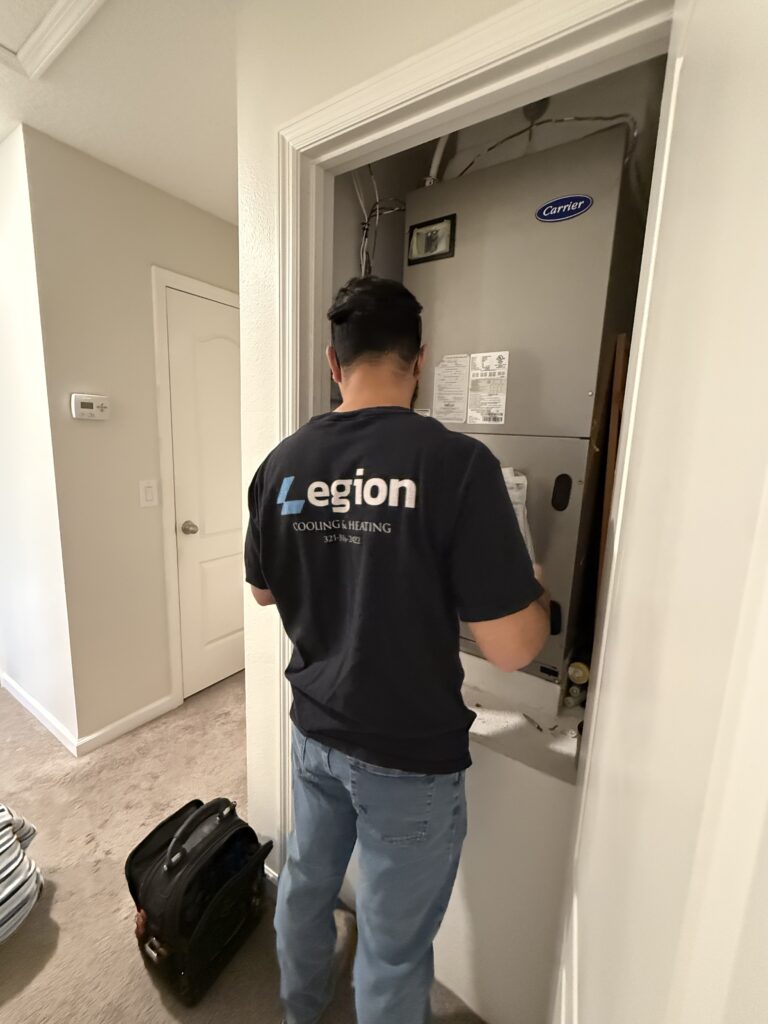
Professional HVAC installation begins long before the truck arrives at your driveway. It starts with a comprehensive load calculation, often referred to in the industry as a Manual J calculation. This is a scientific assessment of your home’s thermal characteristics. A professional technician measures the square footage, but they also look at the orientation of the house relative to the sun, the insulation levels in the attic and walls, the quality and size of the windows, and even the number of people living in the home. All of these factors influence how much heat enters the structure and how much cooling power is required to counteract it.
Conversely, an undersized unit creates a different set of problems. In the peak heat of a Winter Garden July, an undersized system will run continuously without ever reaching the set temperature. It will struggle to keep up, running the compressor into the ground and driving your electric bill through the roof. A professional installer finds the “Goldilocks” zone—a system that is sized perfectly to handle the heat load while running long, efficient cycles that effectively dehumidify the air. This precision ensures that you are paying for exactly the amount of cooling you need, not a massive unit that short cycles or a tiny unit that never rests.
Unlocking the True Efficiency of the Equipment
You pay a premium for high efficiency equipment. A system with a SEER (Seasonal Energy Efficiency Ratio) of twenty or higher promises substantial savings on your monthly utility bills. However, that rating is based on laboratory conditions where the installation is perfect. In the real world, the efficiency of a unit is directly tied to the quality of the installation. A top tier system installed poorly will perform like a bottom tier unit. If you buy a Ferrari but put cheap tires and low grade fuel in it, you will not get Ferrari performance. The same applies to your HVAC system.
Need a furnace install? Click here for our furnace installation service.
One of the primary areas where efficiency is lost is in the refrigerant charge. The amount of refrigerant in the system must be precise, often down to the ounce. If the system is undercharged, the coil will freeze, and the cooling capacity will plummet. If it is overcharged, the pressures will be too high, forcing the compressor to work harder and use more electricity. Professional installers use digital gauges and temperature clamps to measure subcooling and superheat, ensuring the refrigerant levels are calibrated exactly to the manufacturer’s specifications for the length of your specific line set.
Airflow is another critical component of efficiency. The blower motor must move a specific volume of air across the evaporator coil to transfer heat effectively. If the ductwork is not sized correctly, or if the transitions are restrictive, the static pressure in the system increases. This is like trying to breathe through a straw. The motor has to work harder to push the air, consuming more watts and reducing the lifespan of the blower. A professional installation includes checking the static pressure and making necessary modifications to the plenum or ductwork to ensure the system breathes freely. This attention to detail ensures that the high efficiency rating on the sticker is actually what you see on your electric bill.
Ensuring Safety and Code Compliance
An HVAC system is a powerful machine that intersects with the safety infrastructure of your home. It pulls significant amperage from your electrical panel, and in the case of heating, it generates intense heat. Improper handling of these elements presents real dangers. Loose electrical connections can lead to arcing, which is a common cause of electrical fires. Undersized wire gauges can overheat and melt insulation. A professional electrician or licensed HVAC technician understands the National Electrical Code and ensures that every wire, breaker, and disconnect switch is sized and installed correctly to handle the load of the new equipment.
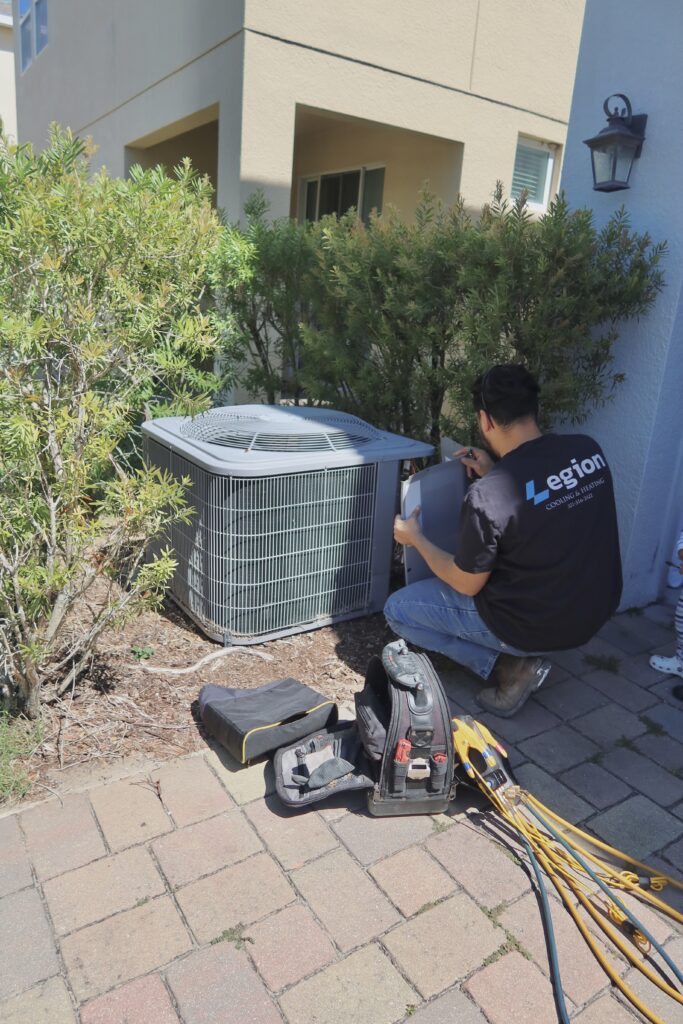
For homes with gas furnaces, the stakes are even higher. A furnace burns combustible fuel to create heat. The exhaust gases from this process include carbon monoxide, a colorless, odorless, and deadly gas. If the flue pipe is not sized, pitched, or glued correctly, these gases can leak back into the living space instead of venting safely through the roof. A professional installer verifies the integrity of the combustion chamber and the venting system, performing combustion analysis to ensure the unit is burning cleanly and safely.
Beyond the immediate physical dangers, there are legal and regulatory compliance issues to consider. The city of Winter Garden and the state of Florida have strict building codes regarding HVAC installation. These codes cover everything from how the unit is anchored to the concrete pad to withstand hurricane winds, to how the condensate drain line is routed. A professional contractor pulls the necessary permits for the job. This means a city inspector will come out to review the work, providing a third party verification that the installation meets all safety standards. An unpermitted installation by an unlicensed worker can lead to fines, issues when selling your home, and even the cancellation of your homeowners insurance policy in the event of a claim.
Protecting Your Manufacturer Warranty
The warranty that comes with a new air conditioner is a significant part of its value. Major manufacturers like Carrier, Trane, and Lennox offer warranties that cover major components for ten years or more. This coverage can save you thousands of dollars if a compressor or coil fails prematurely. However, this warranty is a contract with specific stipulations. The most important stipulation found in almost every warranty document is the requirement for professional installation by a licensed HVAC contractor.
Want to know why you should test your heat before winter? Click here for more information.
Manufacturers know that the vast majority of equipment failures are caused by installation errors, not manufacturing defects. They are not willing to pay for parts that failed because a handyman did not pull a proper vacuum on the lines or brazed the copper tubing without nitrogen. If you cannot provide proof that the system was installed by a professional, the manufacturer has the right to void the warranty entirely. You could find yourself with a broken, brand new system and zero recourse.
Professional installers also handle the administrative side of the warranty. Most manufacturers require the product to be registered within sixty or ninety days of installation to receive the full ten year coverage. If you miss this window, the warranty often defaults to a standard five year term. A professional company like Legion Cooling registers the equipment on your behalf, ensuring that your paperwork is filed correctly and your investment is fully protected. They create a documented service history that stays with the unit, providing the evidence needed to process any future claims smoothly.
The Role of Specialized Tools and Craftsmanship
There is a distinct difference between having a toolbox and having the specialized equipment required for HVAC installation. A professional installation involves processes that simply cannot be replicated with standard hardware store tools. For example, connecting the copper refrigerant lines requires brazing, a process that uses an oxy acetylene torch to melt a silver alloy at over a thousand degrees. This must be done while flowing nitrogen through the lines to prevent oxidation from forming inside the pipe. If this step is skipped, black flakes of oxidation will circulate through the system and eventually clog the tiny metering device, killing the unit.
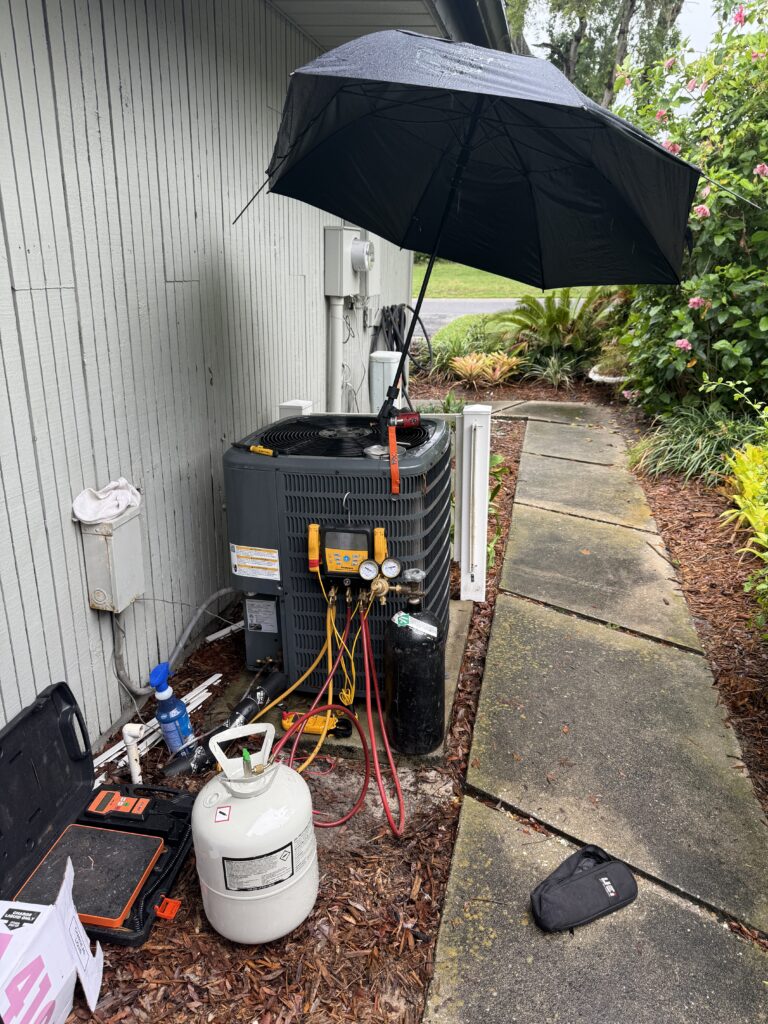
Another critical step is evacuation. Before the refrigerant is released, the system must be dehydrated to remove all moisture and non condensable gases. This requires a high performance vacuum pump and a micron gauge. The system must be pulled down to a deep vacuum, typically below five hundred microns. Moisture is the enemy of an air conditioner; if it mixes with the oil in the refrigerant, it creates acid that eats away at the motor windings from the inside out. A professional technician does not guess; they use the micron gauge to scientifically prove the system is dry and tight before proceeding.
Craftsmanship extends to the physical layout of the installation as well. A professional takes pride in how the unit looks and functions. The copper lines are bent neatly and insulated properly to prevent sweating. The drain lines are pitched correctly to ensure water flows away by gravity, preventing the clogs that lead to ceiling damage. The low voltage wiring is organized and secured. This attention to detail is not just aesthetic; it makes future maintenance and service much easier. A sloppy installation is often a sign of cut corners that will manifest as reliability issues down the road. By hiring a professional, you are paying for the skill, the tools, and the experience that ensures your system starts its life in the best possible condition.
The day your new HVAC system is installed is the most important day of its life. It sets the trajectory for everything that follows. A system that is sized correctly, installed with precision, and verified by professionals will run quieter, last longer, and use less energy. It will provide the crisp, cool comfort that makes living in Winter Garden enjoyable, regardless of how high the temperature climbs outside. Conversely, a poor installation is a permanent handicap that no amount of repair can fully fix.
Investing in professional installation is an investment in peace of mind. It shields you from safety hazards, protects your warranty coverage, and ensures that you get the efficiency performance you paid for. It transforms a box of parts into a reliable home comfort solution. When you choose Legion Cooling, you are choosing a team that understands the science of cooling, respects the codes of the trade, and cares about the long term well being of your home. Do not leave your comfort to chance; trust the experts to build a system that is ready for the Florida heat.