
What Does That Noise in Your AC Mean?
Your air conditioner should be a source of quiet, consistent comfort, a reliable partner in your battle against the intense Florida heat. Most of the time, it operates in the background, producing a gentle hum and a soft whoosh of air that we barely notice. When that familiar, peaceful soundtrack is interrupted by a new, strange, or loud noise, it is an unsettling experience. These sounds are more than just a minor annoyance; they are often your HVAC system’s way of sending out a clear and urgent distress signal.
Ignoring an unusual noise from your air conditioner is a risky gamble. A sound that starts as a minor issue can be the first symptom of a developing problem that, if left unaddressed, can escalate into a catastrophic and far more expensive failure. Learning to identify these different sounds and understand what they might mean is an important part of responsible homeownership. It empowers you to take the right action to protect your valuable equipment and ensure your home remains a cool and comfortable sanctuary.
Establishing a Baseline: The Normal Sounds of an AC
Before you can identify a problem noise, it is helpful to first establish a baseline of the normal, healthy sounds your air conditioning system should be making. Every AC unit will produce some level of sound during its operation, and becoming familiar with these expected noises can help you quickly recognize when something has changed.
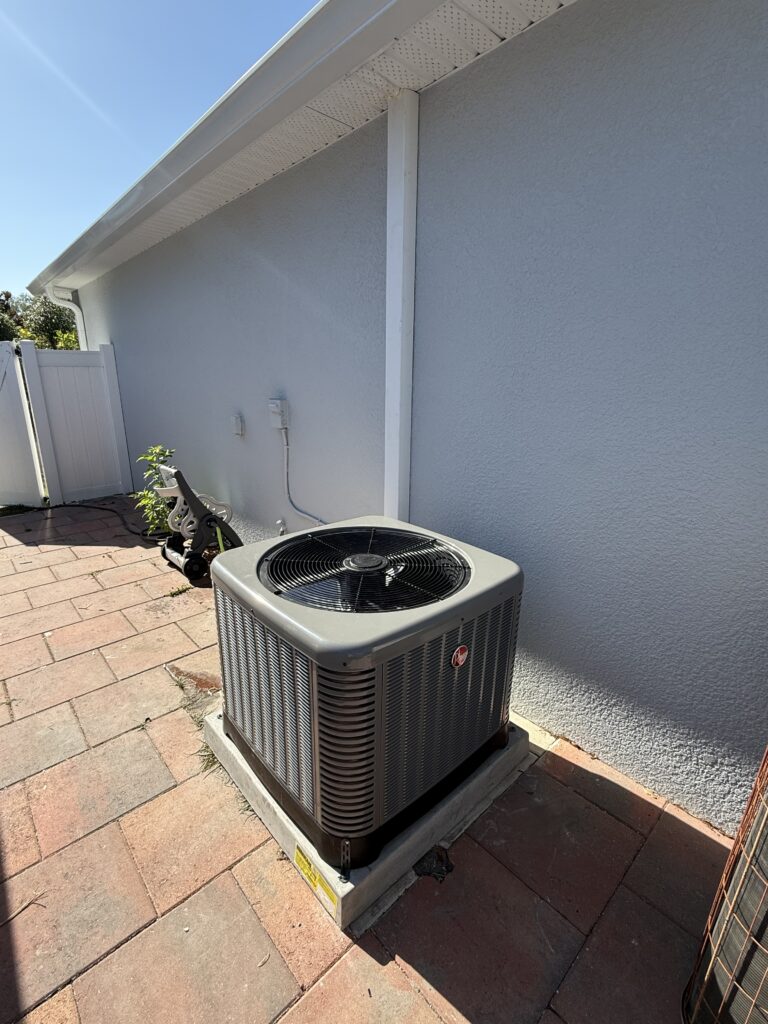
The start of a cooling cycle is typically announced by a soft click from your thermostat, which is the sound of the electrical relay engaging. This is followed by a low, steady hum as the outdoor condenser unit and the indoor blower fan come to life. This consistent, low-frequency hum is the primary sound of a system that is working correctly. As the system runs, you will hear the gentle whoosh of air moving through your home’s ductwork and out of the supply vents. These are the normal and reassuring sounds of a healthy system doing its job.
High-Pitched Squealing or Screeching
A sudden, high-pitched squeal or a persistent metallic screech is an urgent cry for help from your HVAC system. This is a sound of mechanical distress that should never be ignored, and it often points to a problem with one of the system’s motors.
This sound very frequently originates from failing bearings in either the indoor blower motor or the outdoor condenser fan motor. These bearings allow the motor shafts to spin freely and smoothly. Over time, they can wear out or lose their lubrication, which creates an immense amount of friction and results in a piercing, high-pitched noise. If you hear this sound, the safest course of action is to shut your system off at the thermostat to prevent the motor from seizing up completely. Continuing to run the system with a failing motor can cause it to burn out, a much more complicated and expensive repair than addressing the initial bearing issue.
On some older belt-driven air handlers, a squealing sound can also be the sign of a worn-out or misaligned blower belt, similar to the sound a car’s fan belt makes when it is going bad.
Loud Grinding or Metal-on-Metal Sounds
This is an immediate, red-alert sound that signals a severe and often catastrophic mechanical failure. If you hear a loud grinding, crunching, or metal-on-metal sound coming from either your indoor or outdoor unit, you should shut your entire system off at the circuit breaker immediately to prevent further damage.
Click here to learn more about repairing your air conditioning unit.
When this sound comes from your outdoor unit, it is very often the death rattle of your system’s compressor. The compressor is the heart of your air conditioner, and a loud grinding noise typically means that its internal components, such as the pistons or bearings, have broken loose and are being ground to pieces. This is a terminal failure that is not repairable and will require a full compressor replacement.
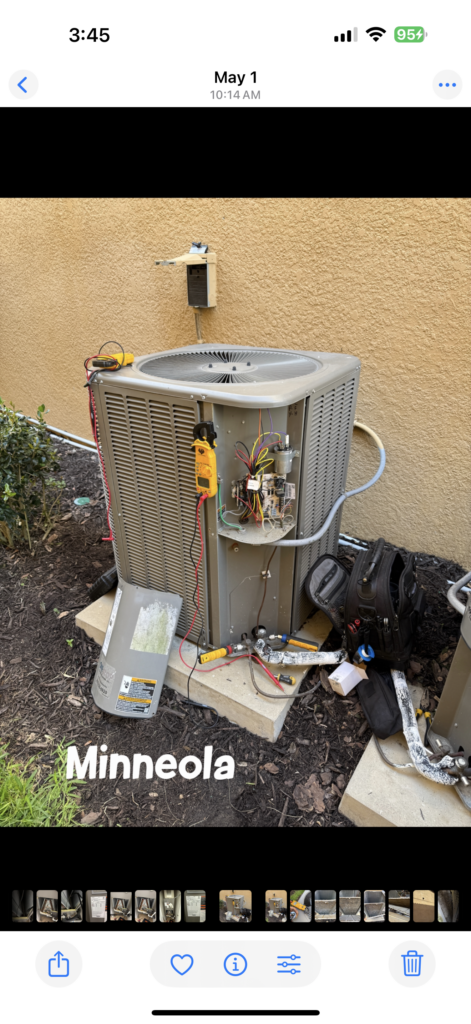
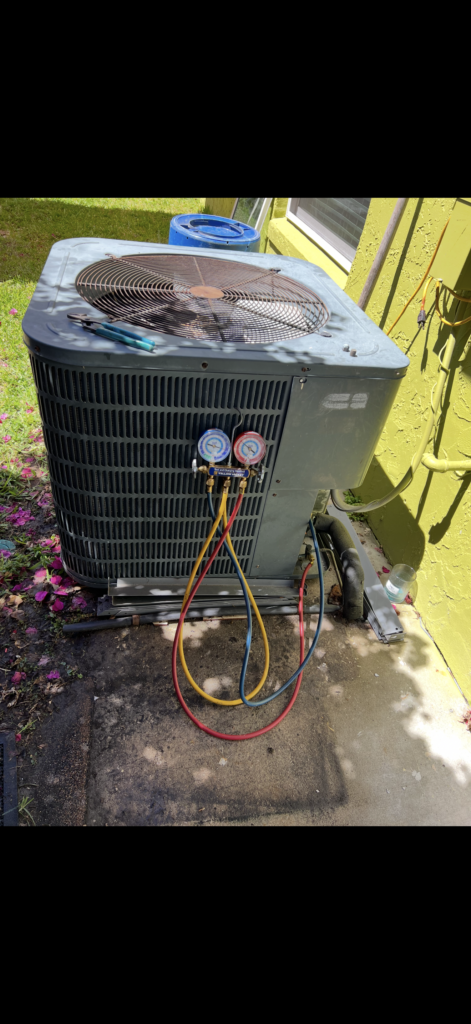
A grinding noise can also be a more advanced stage of a failing blower or condenser fan motor. This indicates that the bearings have completely failed, and the motor’s internal components are now grinding against each other. In any of these scenarios, the sound is an indication of a severe and active mechanical failure that requires immediate professional attention.
Buzzing or Humming Noises (That Aren’t Normal)
It is important to distinguish between the normal, low-level hum of your system and a louder, more aggressive, or “angry” buzzing sound. A new and persistent buzzing is almost always a sign of an electrical problem.
Click here to learn more about repairing your mini split.
One of the most common causes of a loud buzzing or humming sound is a failing electrical capacitor. Your system has several capacitors, and their job is to provide a powerful jolt of energy to get the fan motors and the compressor started. When a capacitor is old and weak, it can no longer hold a proper charge, but the motor will still try to start. This results in a loud electrical hum as the motor struggles to turn over without the necessary boost. This is a very common repair for systems in Winter Garden, as the intense summer heat can shorten the life of these components.
A failing contactor, which is a heavy-duty electrical switch, can also cause a loud and constant buzzing sound. In some cases, a buzzing can also be a sign of a high-voltage issue or a loose wire connection, which can be a serious fire hazard. Any unusual electrical buzzing should be diagnosed by a professional technician.
Rattling or Clanking
A rattling or clanking sound is a clear indication that something is loose or has come into contact with a moving part. The severity of the problem depends on the source of the rattle.
Click here to learn more about repairing your heat pump.
Sometimes, the cause can be simple and harmless. A common cause of a rattling sound from the outdoor unit is debris. A small twig, a loose leaf, or another piece of yard debris may have fallen into the top of the condenser and is being hit by the spinning fan blades. You can often resolve this yourself by turning off the power to the unit and safely removing the debris.
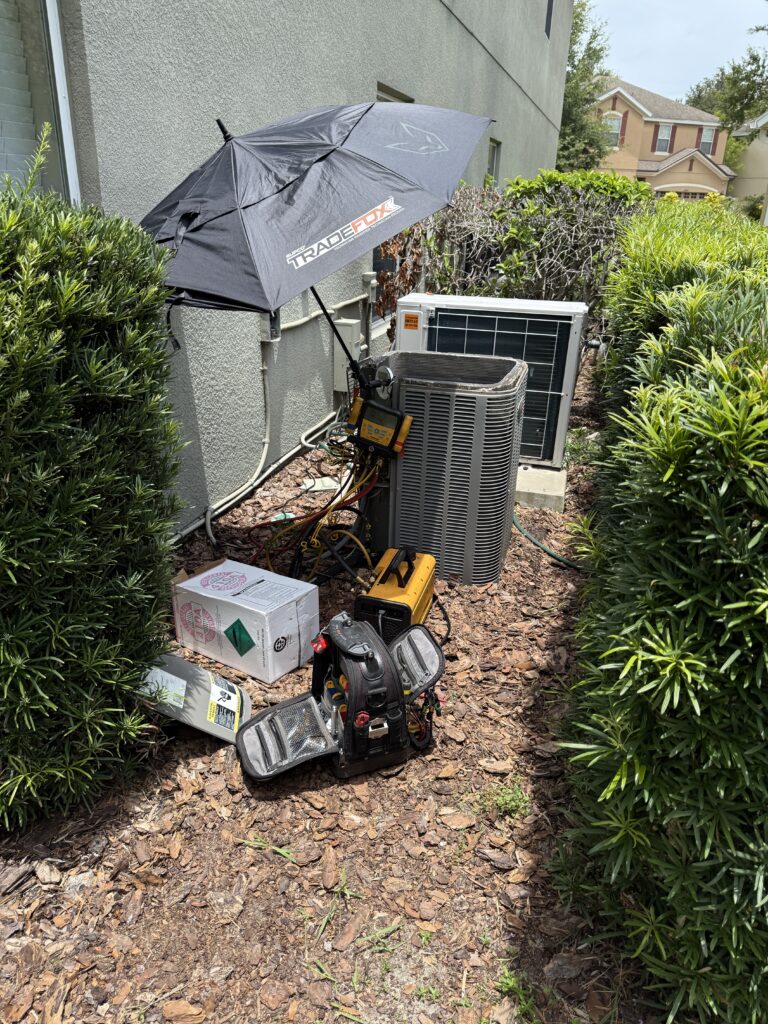
However, a rattling sound can also signal a more serious problem. The fan blades themselves could have come loose on the motor shaft, or the motor’s mounting hardware could be loose, causing the entire assembly to vibrate. In other cases, the copper refrigerant lines may not be properly secured, causing them to vibrate and rattle against the side of the unit’s cabinet. A rattling sound coming from your indoor unit often points to a problem with the blower motor assembly, where the blower wheel, also known as a “squirrel cage,” may have come loose or has accumulated a large amount of debris, throwing it off-balance.
Hissing or Bubbling
This is another sound that is almost always associated with one specific and serious problem: a refrigerant leak. Your air conditioner is a sealed, closed-loop system. The refrigerant that it uses to cool your home does not get “used up” like gasoline in a car. If the refrigerant level is low, it is because it is leaking out of the system.
A loud, continuous hissing sound, especially from your outdoor unit, is often the sound of high-pressure refrigerant gas escaping from a significant leak in the refrigerant lines or, more commonly, from a corroded spot in the condenser coil. A gurgling or bubbling sound, which might be heard near the indoor unit, can also indicate a refrigerant leak.
Click here to learn more about repairing your furnace.
A refrigerant leak is a serious issue for several reasons. It will cause your system’s cooling performance to decline steadily, and it will force the system to run for much longer, wasting energy and driving up your bills. Most importantly, running an air conditioner with a low refrigerant level can cause severe and irreparable damage to the compressor. A suspected refrigerant leak should always be diagnosed and repaired by a licensed professional who has the specialized equipment to locate the leak, repair it, and properly recharge the system.
Your home comfort system should be a source of quiet, reliable comfort, not a source of disruptive and stressful noise. While a few gentle sounds are a normal part of its operation, any loud, sudden, or unusual noises are a clear sign that your system needs attention. By learning to identify these problem sounds and by taking a proactive approach to maintenance, you can ensure your system remains a quiet and effective partner in your home’s comfort.
If you are tired of the distracting clanks, rattles, and squeals of a noisy HVAC system, we encourage you to take action. For any noise that persists, or for a comprehensive tune-up that will restore your system to its quiet and efficient best, contact the expert team at Legion Cooling. We are proud to serve our neighbors in Winter Garden and the surrounding Central Florida communities, and we are dedicated to helping you achieve a truly peaceful and comfortable home.