
Things You’re Doing That Stress Your System
In Winter Garden, our air conditioning systems are the unsung heroes of our daily lives. They operate in the background, battling the oppressive humidity and the scorching subtropical sun to keep our homes cool and habitable. We rely on them implicitly, expecting cold air the moment the thermostat clicks. Because these machines are built to be robust, it is easy to assume they can handle anything we throw at them. However, many homeowners are unknowingly shortening the lifespan of their HVAC equipment through daily habits and misconceptions about how the system works.
The average air conditioner in Florida works significantly harder than a unit in a northern climate. It clocks thousands of run hours every year. When we add unnecessary stress to this already grueling workload, we are essentially driving a car with the parking brake on. We are forcing the components to work harder than they were designed to, which leads to higher energy bills, frequent breakdowns, and premature system failure. Understanding the physics of your cooling system and adjusting a few simple behaviors can lift this burden, allowing your AC to run smoother, last longer, and keep more money in your pocket.
The Myth of Closing Vents to Save Money
One of the most pervasive myths in home energy conservation is the idea that you should close the vents in unused rooms. The logic seems sound on the surface. If you are not using the guest bedroom, why pay to cool it? It feels similar to turning off the lights when you leave a room. However, an HVAC system does not work like a light bulb. It is designed as a balanced pressure system. The blower motor is sized to move a specific volume of air through a specific amount of ductwork.
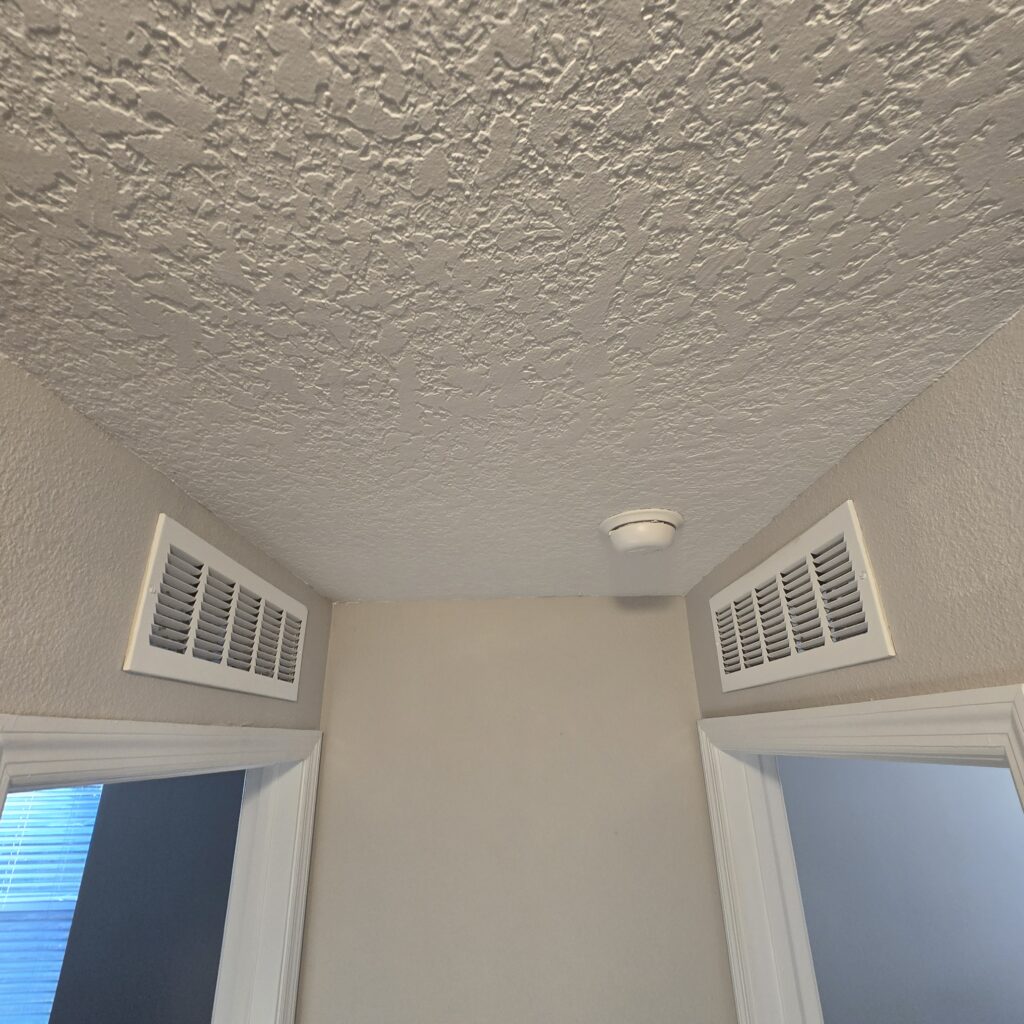
When you close a vent, you are not telling the unit to produce less air. You are simply blocking the path for that air to escape. This increases the static pressure inside the ductwork. Imagine trying to blow air through a straw, and then pinching the end of the straw. You have to blow much harder to move the air. This is exactly what happens to your blower motor. The increased back pressure forces the motor to work against itself, increasing the amperage draw and causing it to run hotter. Over time, this excess heat can burn out the motor, leading to an expensive repair.
Furthermore, this increased pressure has to go somewhere. If the air cannot exit through the supply vent, it will find another way out. High static pressure can force air out through small leaks and gaps in your ductwork. This means you are paying to cool your attic or the space between your walls rather than your living area. It can also cause the duct connections to blow apart completely. Additionally, closing the door to a room with a closed vent traps air inside, disrupting the return airflow path. This creates positive pressure in the room and negative pressure in the rest of the house, which can actually pull hot, humid outdoor air into your home through windows and doors, defeating the entire purpose of closing the vent.
The Consequences of Dirty Air Filters
The air filter is the most critical maintenance component that a homeowner interacts with, yet it is often the most neglected. Many people view the filter as a device meant to clean the air for the occupants, like a fancy air purifier. While it does improve indoor air quality, its primary function is to protect the HVAC equipment itself. It stops dust, hair, and debris from coating the sensitive internal components. When a filter is left unchanged for months, it becomes a solid wall of dirt that suffocates the system.
Need furnace maintenance? Click here for our furnace maintenance service.
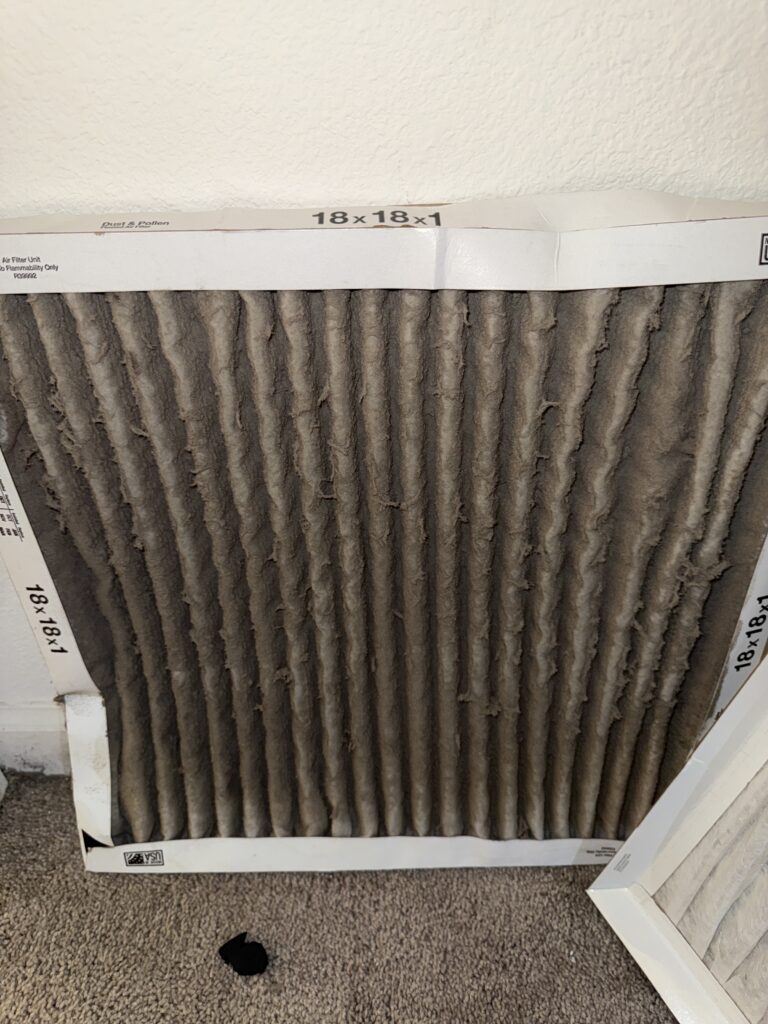
A clogged filter restricts airflow, which is the lifeblood of the air conditioning process. When the airflow drops, the temperature of the evaporator coil drops with it. If there is not enough warm air passing over the coil to keep it above freezing, the condensation on the coils will turn into ice. We frequently encounter systems that are frozen solid, encased in a block of ice because a five dollar filter was not changed. This ice blocks airflow completely, causing the home to warm up while the compressor continues to run, straining itself to the point of failure.
Beyond freezing, a dirty filter allows dust to bypass the filtration media and settle on the blower wheel and the evaporator coil. A layer of dust on the blower wheel blades acts like a weight, throwing the wheel out of balance and reducing its ability to move air. Dust on the coil acts as an insulator, preventing the refrigerant from absorbing heat from your home. This means the system has to run for longer cycles to satisfy the thermostat. You end up with a system that runs longer, works harder, and cools less, all because of a restricted filter. In a home with pets or high traffic, checking the filter every thirty days is a mandatory habit to prevent this unnecessary stress.
The Rollercoaster of Extreme Temperature Setbacks
Smart thermostats are fantastic tools for energy management, but they can be misused in a way that hurts your system. A common strategy for cost conscious homeowners is to set the thermostat to a very high temperature, say eighty five degrees, while they are away at work, and then program it to drop back down to seventy two degrees right before they get home. In a dry climate, this works perfectly. In the humid climate of Winter Garden, this “deep setback” strategy can actually put more strain on your system than simply maintaining a moderate temperature.

When you allow your home to heat up to eighty five degrees, it is not just the air that gets hot. The furniture, the walls, the flooring, and the countertops all absorb that heat. This is known as the thermal mass of the home. When the thermostat kicks back on at 5:00 PM to bring the temperature down, the air conditioner has to do more than just cool the air. It has to remove the heat stored in every solid object in the house. It also has to battle the humidity that has built up during the day.
This recovery process requires the system to run at maximum capacity for hours on end, often during the hottest part of the late afternoon. This continuous, high load operation is far more stressful on the compressor than running shorter, more frequent cycles throughout the day to maintain a steady temperature. It is like sprinting a marathon every single day. A better approach for Florida homes is a moderate setback. Raising the temperature by only three or four degrees when you are away strikes a balance. It saves energy without forcing the system to undergo a grueling recovery period every evening.
Neglecting the Outdoor Condenser Environment
The outdoor unit of your air conditioning system, known as the condenser, is designed to release the heat that was absorbed from inside your house. For this heat transfer to happen efficiently, the unit needs to “breathe.” It pulls air in through the sides and blows it out the top. Unfortunately, because these units are often tucked away on the side of the house, they are easily forgotten and become victims of landscaping encroachment.
Want to know the signs it’s time for furnace maintenance? Click here for more information.
We often see shrubs, hedges, and ornamental grasses planted much too close to the condenser in an attempt to hide it from view. While this might improve curb appeal, it chokes the system. If plants are crowding the unit, the air cannot flow freely through the coils. The heat gets trapped around the unit and is recirculated back in. This causes the head pressure in the compressor to skyrocket. High head pressure is one of the leading causes of compressor burnout. It forces the heart of your system to pump against immense resistance, drastically shortening its life.
It is not just plants that cause issues. Homeowners often stack garden hoses, patio furniture, or trash cans against the unit. Dryers that vent near the condenser can blow lint directly into the coils, creating a felt like mat that blocks airflow entirely. To reduce stress on your system, you should maintain a clear zone of at least two feet around the entire unit. Trim back any foliage, remove any debris, and ensure that the vertical space above the fan is completely unobstructed so the hot air can escape. Keeping this area clear allows the system to reject heat effortlessly, keeping the internal pressures within the safe operating range.
Skipping Routine Professional Maintenance
The most damaging habit of all is the “run to failure” mindset. Many homeowners operate on the principle that if the air is cold, the system is fine. They ignore the manufacturer’s recommendation for annual or bi-annual maintenance, viewing it as an optional expense. This is akin to driving a car for fifty thousand miles without changing the oil because the engine is still running. The damage is happening silently, accumulating over time until it results in a catastrophic failure.
An HVAC system is a machine with moving parts that vibrate, rotate, and expand and contract. Over time, electrical connections loosen, creating resistance that generates heat. Capacitors degrade and lose their ability to start motors efficiently. Bearings lose their lubrication and begin to grind. Without a professional technician to tighten, lubricate, and calibrate these components, the system experiences a gradual decline in performance. It draws more amps to do the same amount of work, generating excess heat in the windings of the motors.
Regular maintenance is the reset button for your system’s stress levels. A technician cleans the coils, restoring proper heat transfer. They clear the drain lines, preventing water damage. They check the refrigerant charge, ensuring the pressures are balanced. By skipping this service, you are allowing small, inexpensive issues to snowball into major repairs. A slightly loose wire can eventually arc and burn out a compressor. A dirty coil can lead to a fluid slugging issue that destroys the valves. Investing in maintenance is not just about checking boxes; it is about removing the physical and electrical stress that kills air conditioners, ensuring your system survives the summer marathon.
Your air conditioning system is a robust piece of engineering, but it is not invincible. The intense climate of Winter Garden already demands maximum performance from your equipment. Adding to that load through well intentioned but misguided habits like closing vents, ignoring filters, or crowding the outdoor unit only accelerates the aging process. These behaviors force the system to work against physics, increasing internal pressures and temperatures that degrade the mechanical components.
The good news is that these stressors are entirely within your control. By treating your HVAC system with the same care you give your vehicle, you can significantly extend its lifespan and improve its efficiency. Keeping the airflow open, the filters clean, and the surrounding area clear allows the system to operate as it was designed. It transforms a struggling, energy hogging machine into a reliable comfort provider. If you suspect your system has been under stress, or if you want to start a new chapter of proactive care, Legion Cooling is here to help. We can assess the condition of your equipment and provide the maintenance needed to undo the damage and keep you cool for years to come.