
Why Winter Maintenance Still Matters in Florida
The concept of winter in Florida is often a source of amusement for the rest of the country. While our northern neighbors are digging their driveways out of snowbanks and salting their sidewalks, residents of Winter Garden are often enjoying pleasant afternoons in the seventies. We might wear a light jacket in the morning, but the harsh, freezing conditions that dictate life elsewhere simply do not exist here. Because of this mild climate, many homeowners fall into a trap regarding their home maintenance. It is easy to believe that because the weather is nice, the HVAC system does not need attention. This is a misconception that can lead to expensive repairs and premature system failure.
Winter maintenance in Florida is not about preparing for a blizzard. It is about two distinct and critical objectives. First, it is about recovering from the brutality of the long summer cooling season. Second, it is about preparing the system for the unique, oscillating demands of our cooler months. Your air conditioner has just finished running a marathon. It has operated almost non stop for eight or nine months, battling high heat and extreme humidity. Walking away from it now without a checkup is like running a race and then sitting on the couch without stretching or drinking water. The damage accumulates in the silence of the off season. A professional maintenance visit during the winter is the single best way to reset your system, ensure your safety, and protect the substantial investment you have made in your home comfort.
Recovering from the Summer Marathon
To understand the necessity of winter maintenance, you have to look back at what your system has just endured. From March through November, an air conditioner in Winter Garden operates under immense stress. It runs for twelve to sixteen hours a day. The outdoor condenser unit sits in the direct sun, processing heat while being exposed to rain, dust, and debris. The internal components have cycled on and off thousands of times. This level of usage causes significant wear and tear that often goes unnoticed until the system finally breaks.
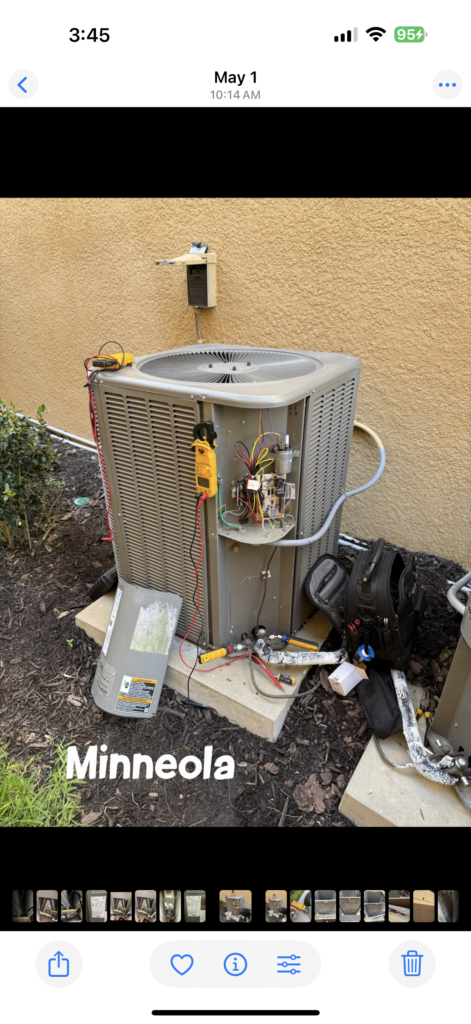
During the summer, the outdoor coil acts as a vacuum for the neighborhood. It pulls in grass clippings, pollen, dirt, and leaves. This debris creates a blanket over the delicate aluminum fins of the coil. When the coil is dirty, it cannot release heat effectively. This forces the compressor to work harder and run hotter. While the system might still be blowing cold air, it is doing so while under extreme duress. A winter tune up includes a thorough cleaning of this coil. Removing the summer’s accumulation of grime allows the system to breathe again. It reduces the pressure on the compressor and lowers the operating temperature of the entire unit.
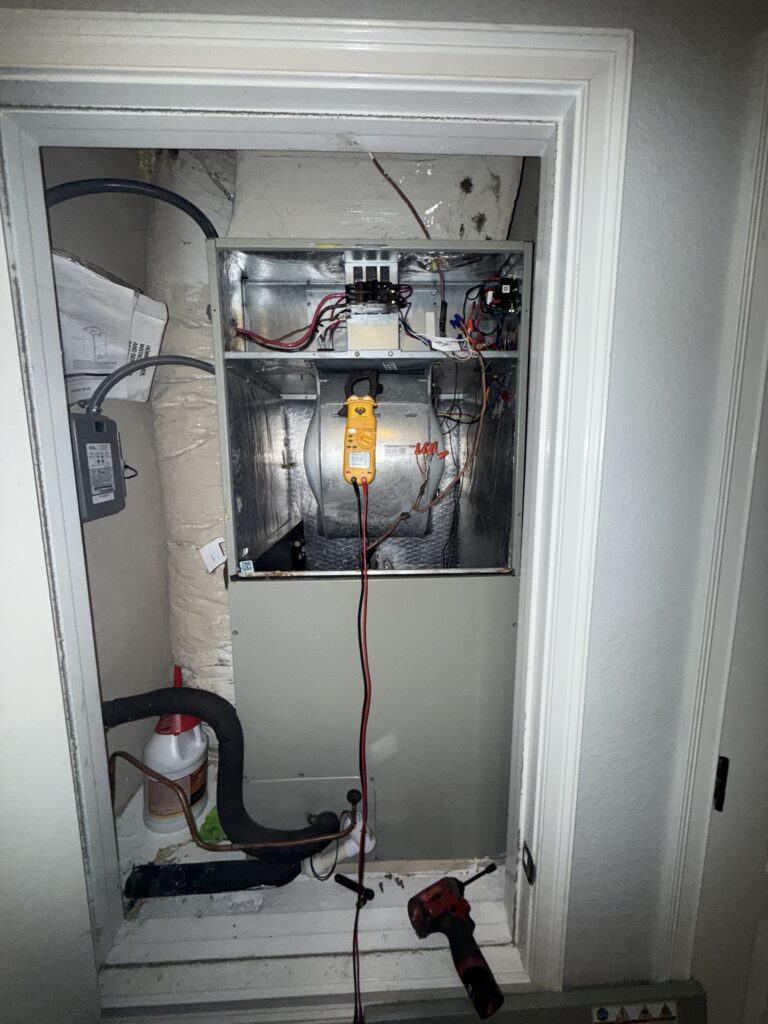
The electrical components also take a beating during the cooling season. The capacitors, which are small batteries that help start the motors, degrade over time. The high heat of the summer accelerates this degradation. A capacitor might be on the verge of failure right now, holding on by a thread. If it fails, the motor it supports will not start, or worse, it will try to start and overheat. The contactors, which act as the switch for the high voltage power, get pitted and scarred from thousands of engagements. Winter maintenance involves testing these electrical parts against manufacturer specifications. Catching a weak capacitor now prevents a total breakdown when the heat returns in the spring.
The Unique Stress of Florida Winters
The Florida winter presents a mechanical challenge that is different from the steady cold of the north. In a northern winter, a furnace turns on in October and runs steadily until April. In Winter Garden, our weather is volatile. We have weeks where the lows are in the forties and the highs are in the eighties. This means your HVAC system is often asked to heat the house in the morning and cool the house in the afternoon. This constant switching between modes places a specific type of stress on the equipment, particularly for heat pumps, which are the most common systems in our area.
Need a furnace install? Click here for our furnace installation service.
The component responsible for this switch is the reversing valve. It is a sliding mechanism that redirects the flow of refrigerant. For most of the year, this valve sits in one position. When the cooler weather arrives, it must slide back and forth frequently. If the system has not been maintained, this valve can stick. A stuck reversing valve can leave you with a system that blows cold air when you want heat, or vice versa. Regular maintenance ensures that this valve is shifting smoothly and that the solenoid controlling it is functioning correctly.
Furthermore, the workload is not necessarily lighter just because it is cooler outside. When a heat pump is in heating mode, it is trying to extract heat from the outdoor air to bring inside. As the outdoor temperature drops, there is less heat available to extract. The system has to work harder to maintain your indoor temperature on a forty degree night than it does on an eighty degree day. Neglecting the system because the weather feels mild is a mistake. The mechanical effort required to heat a home using a heat pump is significant, and a dirty or neglected system will struggle to keep up, driving your energy bills through the roof.
Safety Checks Are Non Negotiable
While we do not use our heaters as often as our neighbors to the north, safety remains a paramount concern. Any appliance that generates heat requires respect and regular inspection. This is true for both electric heating systems and the gas furnaces that are present in some Winter Garden communities. The fact that these systems sit idle for so long actually increases the potential for safety hazards when they are finally activated.
For electric systems, the heating elements are essentially large toasters inside your air handler. They draw a massive amount of electricity to generate heat. Over time, the repeated heating and cooling causes the wires connecting these elements to expand and contract. This movement can loosen the electrical connections. A loose connection creates resistance, which generates heat at the connection point. This can lead to melting wires, arcing, and eventually an electrical fire. During a winter safety check, a technician tightens every electrical connection in the heating circuit, ensuring the power flows safely and efficiently.
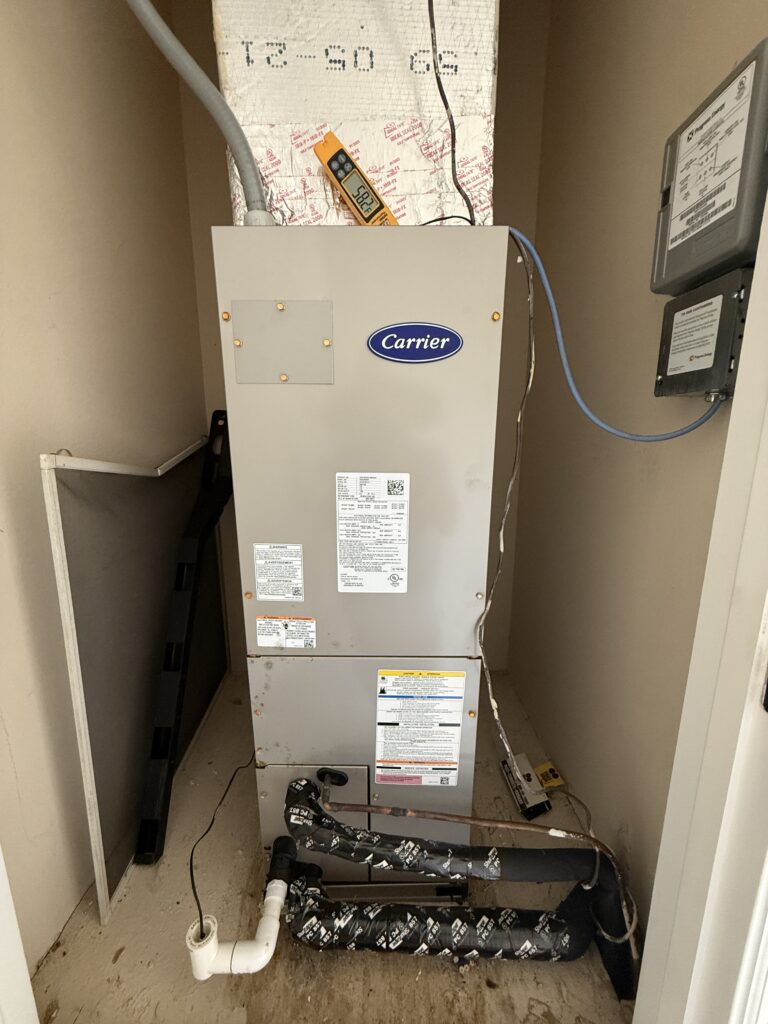
For homes with gas furnaces, the risks are even more serious. Carbon monoxide is a deadly, odorless gas that is produced during the combustion process. A properly functioning furnace vents this gas safely out of your home. However, cracks in the heat exchanger or blockages in the flue pipe can cause this gas to leak into your living space. A spider web in the wrong place or a bird’s nest in the exhaust vent can be enough to create a dangerous situation. Because we run these systems so infrequently, we might not notice a small issue until it becomes a critical emergency. Professional maintenance includes a rigorous inspection of the heat exchanger and the venting system to guarantee your family is safe on the few nights you truly need the heat.
Efficiency and the Cost of Neglect
There is a direct correlation between the cleanliness of your HVAC system and your monthly utility bill. This is true in the winter just as it is in the summer. A neglected system is an inefficient system. When the blower wheel is coated in dust, it cannot move air effectively. The motor has to spin faster and work harder to push the conditioned air through the ducts. This increased workload translates directly into higher wattage consumption.
Consider the indoor coil. In the winter, for a heat pump, this coil becomes the condenser. It is responsible for releasing the heat into your home. If this coil is dirty from a year of skipped filter changes or lack of maintenance, the heat is trapped. The system has to run for longer cycles to satisfy the thermostat setting. Instead of running for ten minutes to warm the room, it might run for twenty. You are paying for double the electricity for the same amount of comfort.
Winter maintenance is an investment that pays dividends in lower operating costs. By cleaning the coils, lubricating the motors, and ensuring the refrigerant levels are optimal, a technician restores the system to its factory specifications. This allows it to heat and cool your home using the least amount of energy possible. In an era of rising utility costs, keeping your system efficient is one of the most effective ways to control your household budget. The cost of the tune up is often recouped in energy savings over the course of the following year.
Indoor Air Quality Concerns
We tend to change our behaviors in the winter. In the summer, we keep the house sealed tight against the humidity. In the winter, we might open the windows on nice days, but we also spend more time indoors with the windows closed on chilly nights. This makes indoor air quality a significant factor in your family’s health. Your HVAC system is the lungs of your home. It breathes in the air from your rooms, filters it, and breathes it back out. If the system is dirty, the air it circulates will be dirty as well.
Want to know the signs your thermostat may be failing? Click here for more information.
The interior of an HVAC system is a dark, damp environment. During the summer, the indoor coil is constantly wet with condensation. This creates an ideal breeding ground for mold, bacteria, and algae. If this biological growth is not removed, it dries out during the winter and can flake off into the airstream. Every time the heat turns on, these particles are blown into your bedrooms and living areas. This can trigger allergies, asthma, and other respiratory issues.
A winter maintenance visit is the perfect time to address these air quality issues. The technician can clean the drain pan and the condensate line, removing the sludge that has built up. They can inspect the ductwork for leaks that might be pulling in dusty air from the attic. They can also recommend or install better filtration systems or UV lights to actively kill bacteria. Ensuring that the air you breathe is clean is just as important as ensuring the temperature is comfortable.
Protecting Your Warranty and Longevity
Most homeowners are unaware that the warranty on their HVAC equipment comes with strings attached. Manufacturers like Carrier, Trane, and Lennox include specific language in their warranty documentation requiring regular professional maintenance. They view the system like a car. If you never change the oil and the engine seizes, the car manufacturer will not replace the engine under warranty. The same logic applies to your air conditioner. If a compressor fails because the coils were impacted with dirt, the manufacturer may deny the warranty claim if you cannot prove that the system was maintained.
Skipping winter maintenance creates a gap in your service history. If a major component fails the following spring, you want to have a documented record showing that you took care of the equipment. A receipt from a professional tune up acts as your proof of compliance. It protects you from being on the hook for thousands of dollars in parts that should have been covered.
Beyond the warranty, maintenance is about extending the life of the machine. An HVAC system is a significant financial investment. You want it to last for fifteen to twenty years. A system that is neglected and forced to run dirty will fail much sooner, likely around the ten year mark. The friction, heat, and pressure caused by dirt and neglect shorten the lifespan of every moving part. Winter maintenance is the act of prolonging the life of your system. It is cheaper to maintain a unit for twenty years than it is to replace it every ten.
Avoiding the Spring Rush
There is a strategic advantage to scheduling maintenance in the winter. The HVAC industry is highly seasonal. As soon as the temperatures begin to climb in March and April, the demand for service explodes. Everyone who ignored their system all winter suddenly realizes it is not cooling properly. Schedules fill up, and wait times increase.
By taking care of your maintenance in the winter, you are getting ahead of the curve. You are ensuring that your system is inspected, cleaned, and calibrated before the rush begins. If the technician finds a small part that needs to be replaced, like a contactor or a sensor, it can be done calmly and quickly. You are not trying to get a repair done while the house is ninety degrees and the phone lines are jammed.
Winter maintenance gives you the peace of mind that your system is ready for the heavy lifting of the coming summer. You enter the cooling season with a clean coil, a fresh filter, and verified electrical components. You can relax knowing that while your neighbors are scrambling for emergency repairs in May, your system is humming along efficiently.
It is easy to be complacent about HVAC maintenance in Winter Garden when the sun is shining and the breeze is cool. The urgency of a broken air conditioner in July is absent, and the system seems to be working fine. However, the absence of a crisis does not mean the absence of need. Winter maintenance is a vital part of responsible homeownership in Florida. It is the only way to help your system recover from the grueling workload of the summer. It ensures that the switch to heating is done safely and efficiently, protecting your home from electrical hazards and fire risks.
By scheduling a professional tune up during the cooler months, you are protecting your warranty, improving your indoor air quality, and lowering your monthly energy bills. You are choosing to be proactive rather than reactive. You are extending the life of your equipment and avoiding the stress of premature breakdowns. Legion Cooling is ready to help you navigate the specific needs of the Florida winter. Do not let the mild weather fool you into neglecting your home’s most important appliance. A little attention now ensures comfort, safety, and savings for the year to come.