Signs Your Thermostat Might Be Failing
It is the unsung hero of your home’s comfort system, the small device on the wall that serves as the command center for your entire heating and cooling operation. Your thermostat is the brain that orchestrates the complex functions of your HVAC equipment, telling it when to turn on, when to turn off, and how to maintain a pleasant indoor environment. Because it is generally so reliable and performs its job silently in the background, it is often the last component we suspect when something goes wrong with our home’s climate.
When the house feels too hot on a sweltering summer day or fails to get warm on a chilly winter evening, our first instinct is to assume a major and expensive problem with the air conditioner or furnace itself. In many cases, however, the true culprit behind these frustrating comfort issues is the much smaller, less expensive thermostat. Like any electronic device, a thermostat has a finite lifespan. Its sensors can lose accuracy, its wiring can become loose, and its internal components can fail. Recognizing the signs that this crucial brain is beginning to falter is the key to restoring your home’s comfort, improving your energy efficiency, and preventing unnecessary strain on your valuable HVAC equipment.
The HVAC System Won’t Turn On or Won’t Turn Off
One of the most direct and unmistakable signs of a thermostat problem is when it fails to properly communicate with your main HVAC unit. This can manifest in two equally frustrating ways: the system will not start when you need it to, or it will not shut off when it is supposed to.
A complete failure to start is a common issue. You may walk over to the thermostat, adjust the temperature to call for cool air, and hear the familiar “click” of the internal relay. But then you wait, and the rush of air from your vents never comes. After you have checked the simple things, like making sure the circuit breakers for your indoor and outdoor units have not been tripped, this often points to a communication failure originating at the thermostat. The thermostat is attempting to send the signal, but due to a faulty internal component, a loose wire behind the wall plate, or a complete electronic failure, that signal is never properly sent or received by the main HVAC unit, leaving you without the comfort you need.
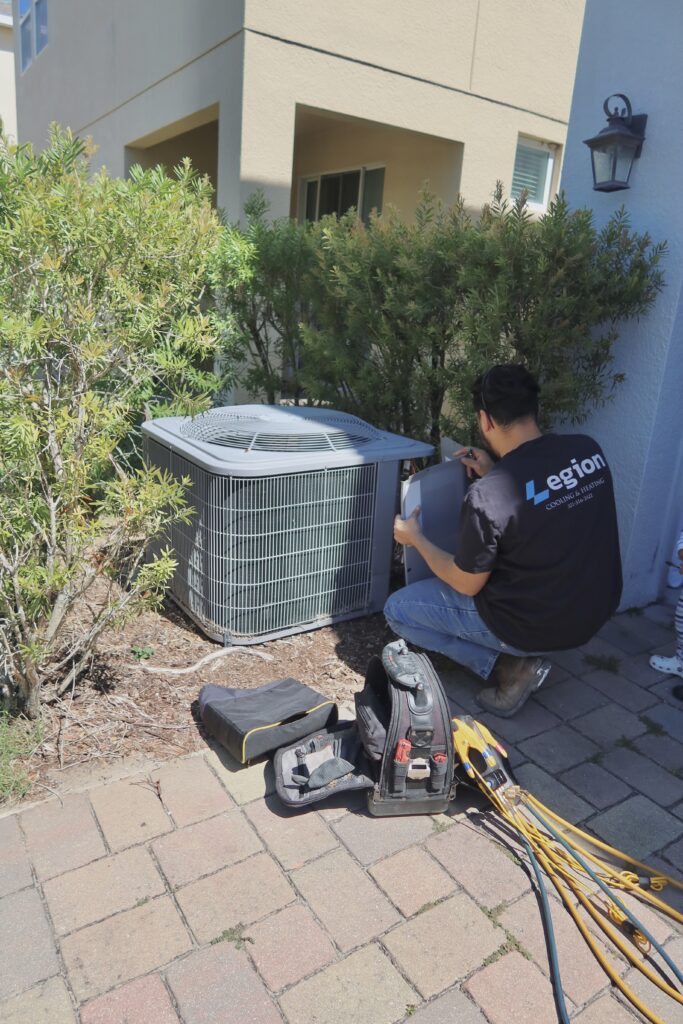
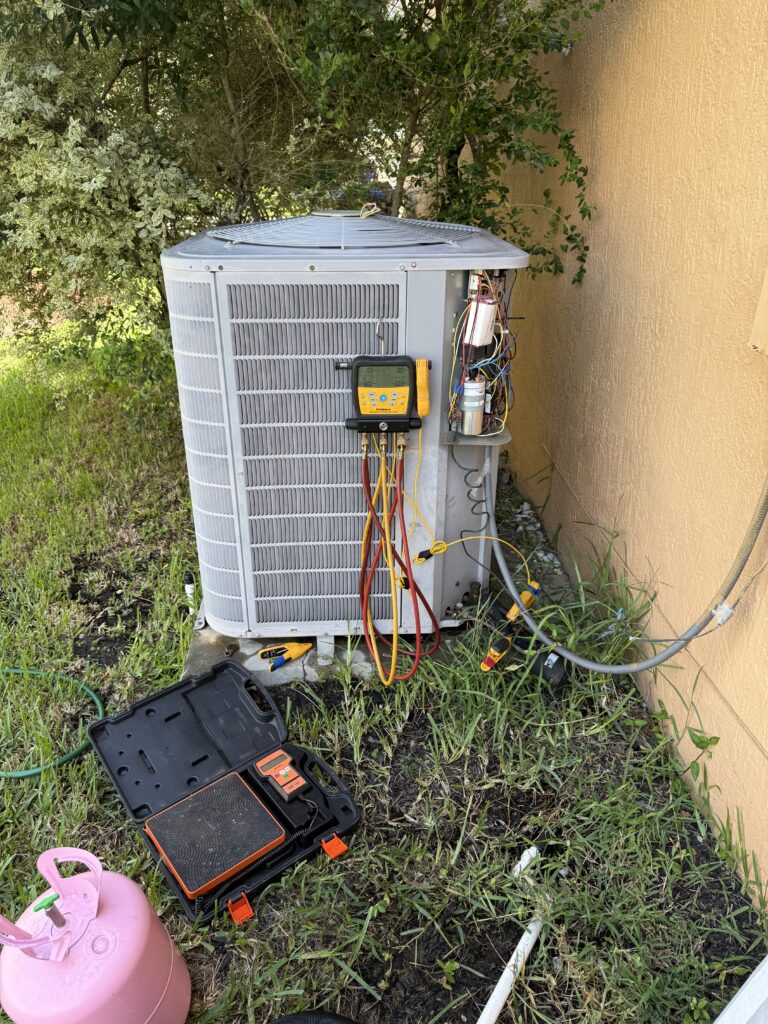
The opposite problem, a system that runs constantly and never seems to shut off, is just as serious and can be incredibly wasteful. In this scenario, your air conditioner might continue to blast cold air long after the room has reached the set temperature, turning your home into an icebox and causing your electricity bill to skyrocket. This is a classic sign that the thermostat’s temperature sensor has failed completely. It is no longer able to accurately detect the temperature of the room, so it never gets the signal that the desired temperature has been reached, and therefore it never tells the main HVAC unit to shut down.
Erratic and Damaging Short Cycling
A healthy and properly functioning HVAC system should operate in long, smooth, and consistent cycles. It should run for a reasonable amount of time to gradually and efficiently bring your home to the desired temperature, and then shut off for a while before the next cycle begins. One of the most damaging and clear signs of a serious problem is when this normal rhythm is broken and the system begins to short cycle. Short cycling is when the air conditioner or furnace turns on, runs for only a minute or two, shuts off prematurely, and then repeats this stressful and inefficient process over and over.
While there are several potential mechanical issues that can cause short cycling, a faulty thermostat is a very common culprit. The thermostat’s internal temperature sensor may be failing and giving wildly inaccurate readings. It might incorrectly sense a rapid drop in temperature that is not actually happening, causing it to shut the system off almost as soon as it has started. In other cases, a problem with the thermostat’s wiring or internal electrical components can send erratic and confusing signals to the main HVAC unit, causing it to start and stop erratically.
It is absolutely essential to understand that short cycling is incredibly damaging to your HVAC system. The startup phase is the most stressful part of the cycle for the compressor and the fan motors. A system that is constantly starting and stopping is like driving a car in heavy, bumper-to-bumper traffic for its entire life. This excessive wear and tear can lead to the premature and very expensive failure of your air conditioner’s compressor, which is its most vital and costly component. A faulty thermostat is a small and relatively inexpensive problem that can quickly destroy a very large and expensive piece of your home’s infrastructure.
The Temperature Reading Is Inaccurate
The most fundamental job of your thermostat is to accurately measure the temperature of the room and display it for you. When there is a clear and persistent disconnect between the temperature number you see on the screen and the way the room actually feels, it is a classic sign that your thermostat’s sensor is failing or is significantly out of calibration.
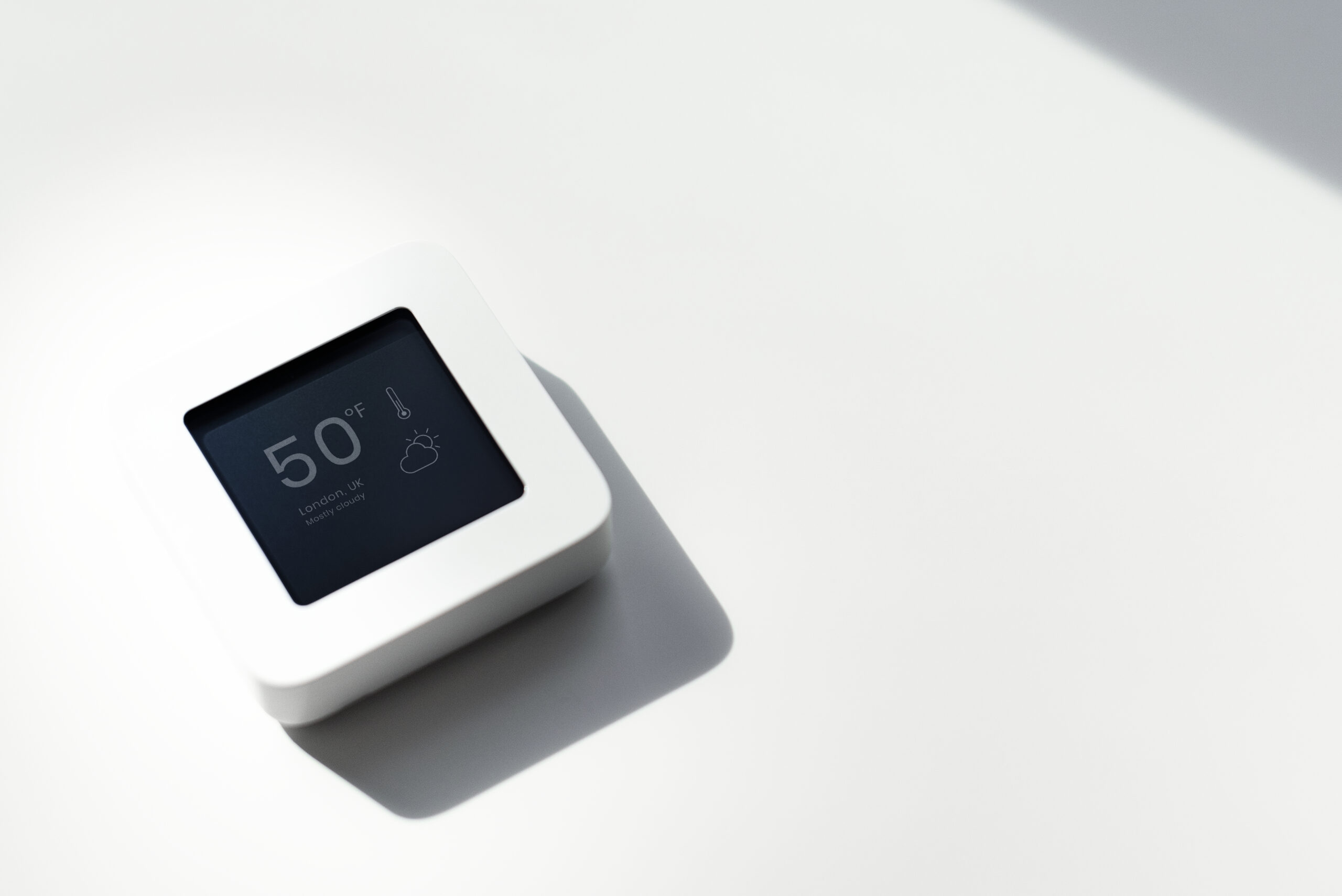
You may find yourself in a situation where the thermostat proudly displays a comfortable 72 degrees, but you feel the need to turn on a fan because the room feels warm and stuffy. Or, on a cooler day, it might say 74 degrees, but you feel the need to grab a sweater because the house is genuinely chilly. This forces you to constantly compensate by setting the thermostat to an extreme temperature—like 68 degrees in the summer—just to achieve a normal level of comfort.
This is not just a minor annoyance; it is a major energy efficiency problem that can cost you a significant amount of money. An inaccurate thermostat will cause your HVAC system to run for much longer cycles than are actually necessary, wasting energy every single day. If your thermostat is off by just a few degrees and causes your air conditioner to run for an extra hour or two each day over the course of a long Winter Garden cooling season, it can lead to a substantial and completely unnecessary increase in your utility bills. Sometimes these symptoms can be caused by poor thermostat placement, such as in direct sunlight or too close to a heat source like a lamp. A professional technician can help you determine if your thermostat is faulty or is simply in a bad location.
An Unresponsive or Failing Display
Sometimes, a thermostat will give you very clear and obvious physical signs that it has reached the end of its useful life. After years of being touched and adjusted every single day, its physical components can simply wear out and fail.
The most straightforward sign of a total failure is a digital display that has gone completely blank. The very first thing you should always do in this situation is to check if your thermostat is one of the models that uses batteries. If so, a fresh set of batteries will often solve the problem. However, if your thermostat does not use batteries or if new batteries do not bring the screen back to life, it is a definitive sign that the thermostat’s internal electronics have died and it needs to be replaced.
You may also find that the thermostat’s controls have become unresponsive. You might press the buttons to raise or lower the temperature, but the number on the screen does not change, or you have to press them multiple times for the input to register. This indicates that the physical interface of the thermostat is wearing out. For older programmable models, you might notice that the thermostat constantly loses its programmed schedule and reverts to a default setting. This is a sign of a failing internal memory or a problem with its power supply, and it means the device is no longer providing you with the energy-saving benefits it was designed for.
A Technological Mismatch with Your HVAC System
Another important reason to consider a thermostat replacement is not because your old thermostat has failed, but because it has become a technological bottleneck for your main HVAC equipment. This is especially true if you have recently invested in a new, modern, high-efficiency heating and cooling system.
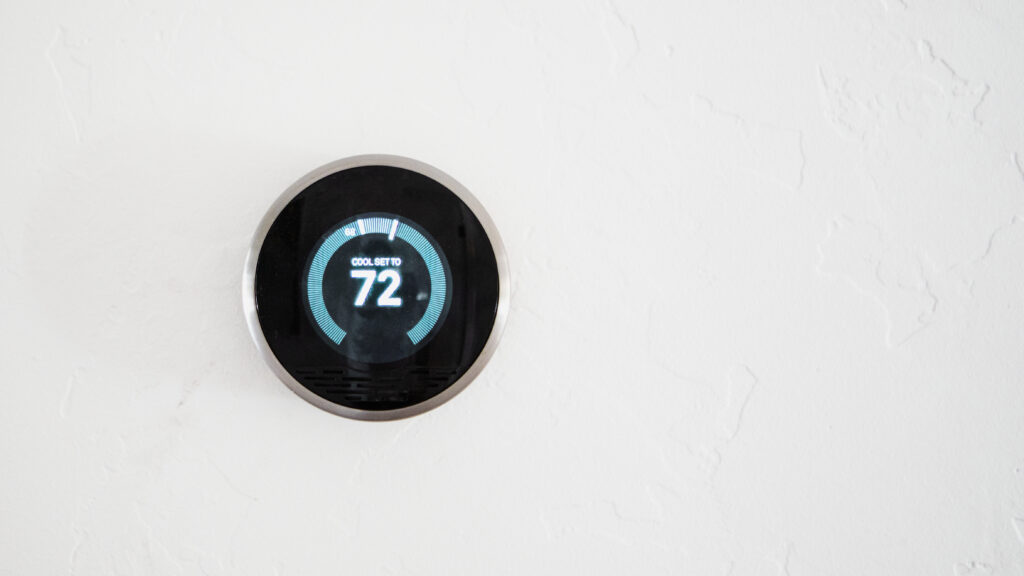
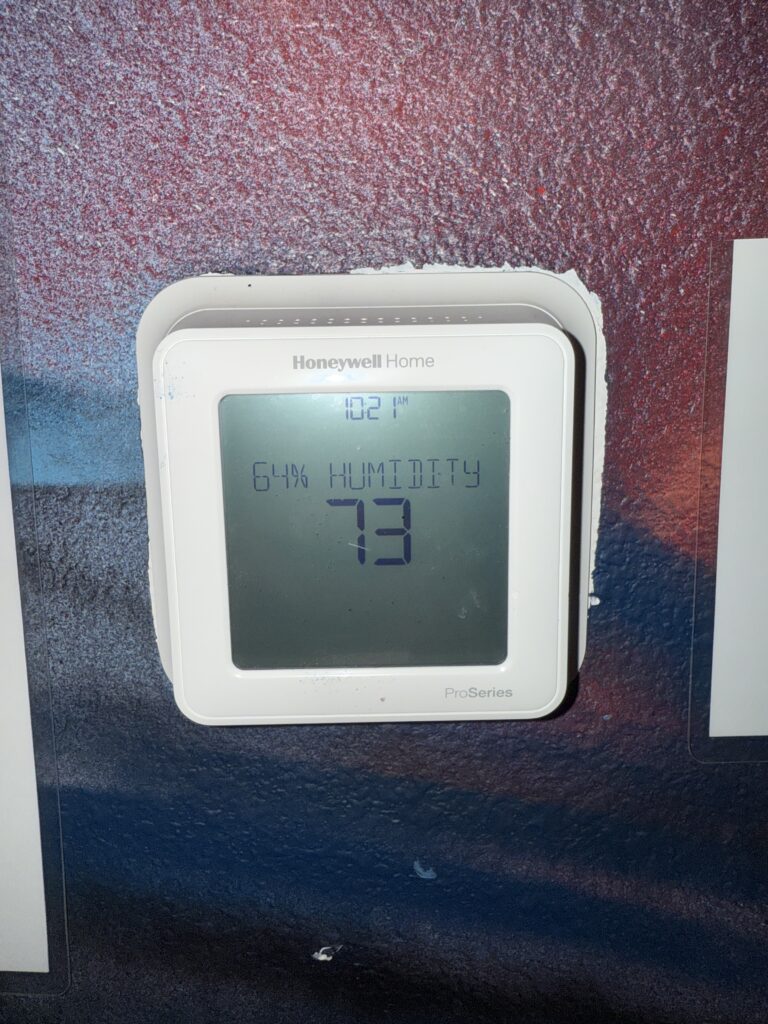
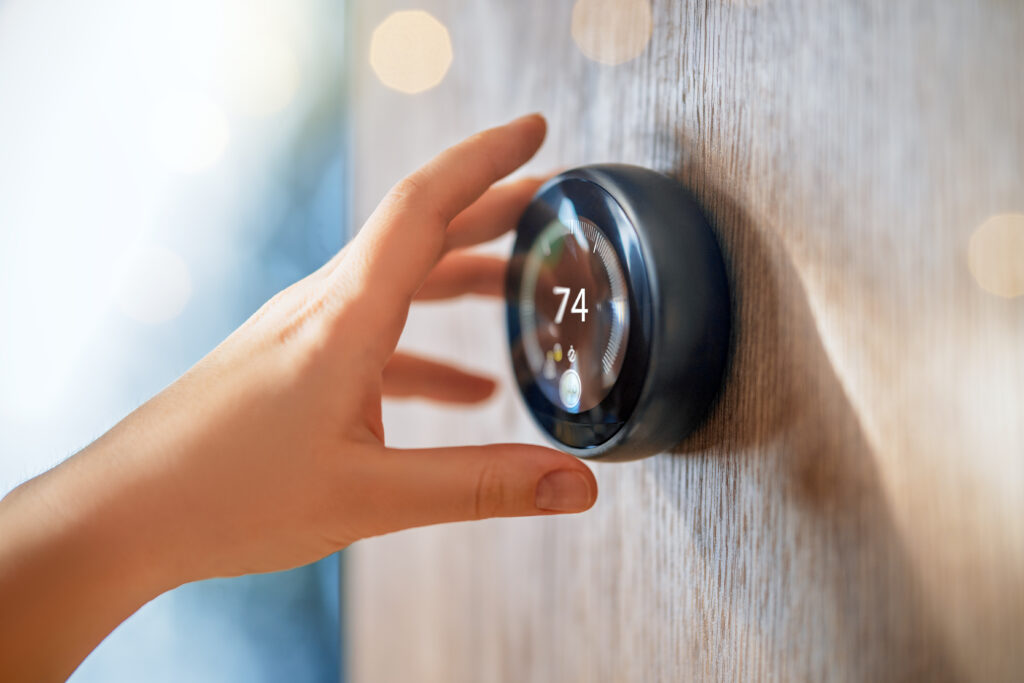
Pairing a brand new, high-efficiency HVAC system with a 15-year-old, basic thermostat is like putting cheap, bald tires on a brand new sports car. You will simply never get the performance, efficiency, and comfort that you paid for. Modern HVAC systems, especially advanced multi-stage and variable-speed units, are designed to work with specific “communicating” thermostats. These advanced thermostats allow the system to precisely modulate its output, providing superior comfort and unlocking its maximum energy efficiency. Using an old, simple thermostat with this new equipment can effectively cripple its performance, forcing it to run like a less sophisticated, single-stage unit and wasting much of its potential.
An old thermostat also means you are missing out on the powerful benefits of modern smart thermostats. These newer models offer features like remote Wi-Fi control from your smartphone, learning algorithms that create an optimized schedule for you, and superior humidity control, which is an essential feature for our humid Florida climate.
Your home’s thermostat is a small but powerful component that has an enormous impact on your family’s comfort, your monthly energy bills, and the long-term health of your HVAC equipment. A failing thermostat is not a problem that should be ignored, as it can lead to major costs in the form of wasted energy and unnecessary, premature damage to your furnace or air conditioner.
If you are experiencing any of the signs of a faulty thermostat, from erratic system behavior and inaccurate temperature readings to a simple failing display, it is time to consider an upgrade. This is often a simple, affordable, and powerful way to solve complex comfort problems and improve the overall performance of your entire system. Contact the home comfort experts at Legion Cooling. We can provide a professional diagnosis of your system and help you select and install the perfect new thermostat for your Winter Garden home.