
Signs Your Ductwork Is Leaking Cool Air
Florida summers push your air conditioner to its limits, and leaking ductwork makes the problem worse by wasting the cool air before it ever reaches your rooms. Homeowners across Central Florida often blame a weak AC system when the real culprit is hidden inside the attic or crawl space. Leaky ducts can lose 20 to 30 percent of the conditioned air moving through them, according to the U.S. Department of Energy. That lost air drives up your power bill, shortens the lifespan of your equipment, and leaves certain rooms warm no matter how low you set the thermostat. Spotting the warning signs early protects your comfort, your wallet, and your indoor air quality. This guide walks you through the clearest signs your ductwork is leaking cool air and what to do about it before the next heat wave hits.
Common Signs Your Ductwork Is Leaking Cool Air Inside Your Home
Ductwork hides above ceilings and inside walls, so most leaks go unnoticed until your comfort or your power bill takes a hit. The signs tend to show up gradually, which makes them easy to dismiss as a quirky thermostat or an aging unit. Knowing what to look for helps you catch the issue before it gets expensive. A trained HVAC technician can confirm the diagnosis with pressure testing and visual inspection, but the symptoms often speak for themselves. Below are the most common red flags Florida homeowners notice when their ducts start losing cool air. Pay attention to patterns; one warm room is annoying, but several signs together point straight to a duct problem.
Uneven Cooling Is a Major Sign Your Ductwork Is Leaking Cool Air
When one room feels like a freezer and the next feels like a sauna, your ductwork is usually the reason. Cool air follows the path of least resistance, so a hole, gap, or disconnected joint will pull air away from the rooms farthest from the air handler. Bedrooms at the end of a long duct run tend to suffer first because the leaks closer to the unit steal the airflow before it gets there. You might find yourself closing vents in cold rooms to push more air to the warm ones, but that strategy increases pressure inside the ducts and actually makes the leaks worse. Multi-story homes feel this problem most because upstairs spaces already fight gravity and heat rise. A properly sealed duct system keeps temperatures balanced within a few degrees from room to room. Once that balance disappears, leaking ducts move to the top of the suspect list.
Homeowners sometimes try to solve uneven cooling by adjusting the thermostat lower, but that just runs the system longer without fixing the leak. The air handler keeps producing cold air, and the ducts keep losing it on the way to the registers. Over time, this constant runtime wears out the blower motor, the compressor, and the evaporator coil. You end up paying for repairs that could have been avoided with a duct inspection. Sealing the leaks restores proper airflow to every register, so the thermostat reading matches the actual room temperature. That single fix often eliminates hot spots that have bothered the family for years.
Florida humidity adds another layer to the uneven cooling problem because leaky ducts pull warm, moist attic air into the system. That moisture lingers inside the house and makes rooms feel sticky even when the thermostat reads 74 degrees. You might notice condensation on windows, musty smells near vents, or a clammy feeling on furniture and bedding. None of those issues go away by lowering the temperature; they only resolve when the duct leaks are sealed. A licensed HVAC technician can perform a blower door test or duct blaster test to measure exactly how much air your ducts are losing. From there, mastic sealant, metal tape, or full duct replacement restores the system to peak performance.
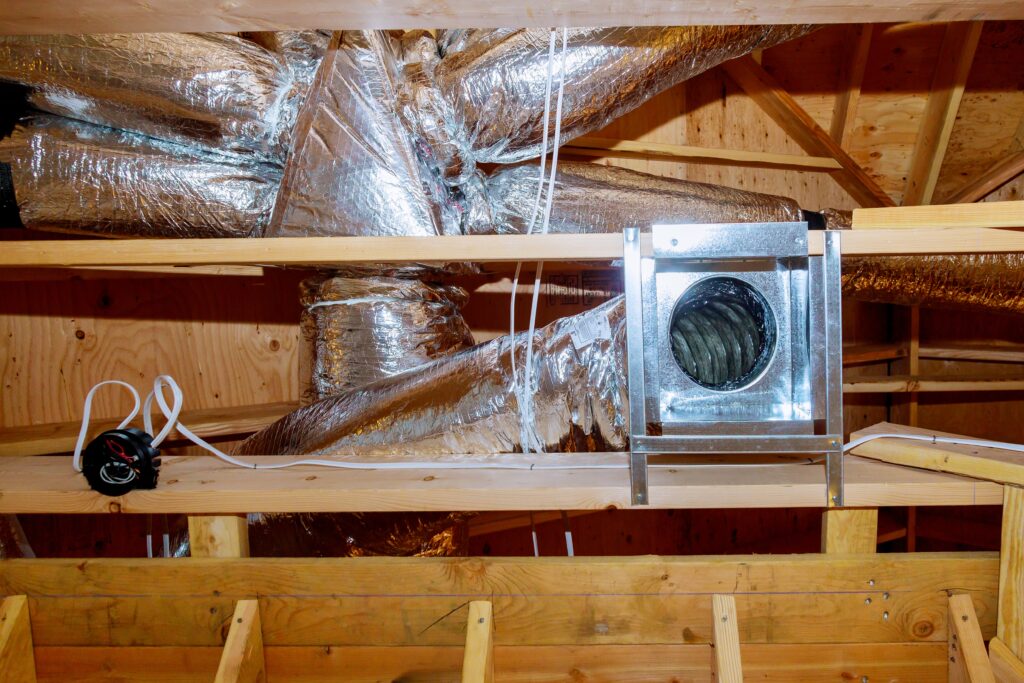
Rising Energy Bills Are a Clear Sign Your Ductwork Is Leaking Cool Air
A sudden jump in your electric bill during cooling season usually points to one of three things; a failing component, a dirty system, or leaking ducts. When ducts leak, your air conditioner has to run longer to reach the temperature you set on the thermostat. That extra runtime shows up directly on your monthly statement, sometimes adding 30 percent or more to your cooling costs. Florida residents already pay some of the highest summer power bills in the country, so an extra few hundred dollars over a season hurts. Comparing this year’s bills to last year’s at the same time gives you a clear picture of whether something has changed. If your usage spiked without a change in habits or weather, ductwork is a likely suspect.
The cost of running a leaking system extends beyond the monthly bill because the equipment itself wears out faster. Compressors are the most expensive part of an air conditioner, and they fail sooner when forced to cycle constantly. Blower motors burn out, capacitors weaken, and refrigerant lines develop stress fractures from the added workload. Replacing a compressor can run several thousand dollars, while sealing duct leaks usually costs a fraction of that. Catching the problem early saves you from premature equipment replacement. Want a complete look at your duct system? Click here for our air duct services.
Energy efficiency ratings on HVAC equipment assume the ductwork is sealed and properly sized. A 16 SEER system loses its efficiency advantage the moment 25 percent of the cool air escapes into the attic. You paid for high-efficiency equipment, but leaky ducts give you the performance of a much older, less efficient unit. Sealing the ducts brings the system back to the rating you actually paid for and protects your investment. Many homeowners see their bills drop within the first full billing cycle after a professional duct seal. That kind of measurable savings makes duct repair one of the highest-return HVAC services available.
Excessive Dust Is Another Sign Your Ductwork Is Leaking Cool Air
Dust on your furniture a day after cleaning is a common complaint, and leaky return ducts are often the cause. Return ducts pull air from inside the home back to the air handler, but gaps in those ducts also pull in dust, insulation fibers, and debris from attics and crawl spaces. That contaminated air then gets blown right back into your living areas through the supply registers. Standard air filters are not designed to catch the high volume of attic dust that enters through duct leaks. You end up cleaning more often, replacing filters more frequently, and breathing lower-quality air the whole time. The dust problem gets worse over time as more debris settles inside the duct system.
Homes built before 2010 often have ductwork sealed with old cloth-backed tape that fails after a decade or two in a hot Florida attic. Once that tape lets go, the joints separate and the leaks grow quickly. Mastic sealant and metal foil tape rated for HVAC use last much longer and create an airtight seal. A technician can inspect every accessible joint and reseal the failing sections. The visible dust on your shelves and tabletops should drop noticeably within a week or two of the repair. That improvement alone is reason enough for many families to schedule the work.
Indoor air quality matters more than ever for families with asthma, allergies, or young children. Leaky ducts pull in attic dust, mold spores, rodent droppings, and fiberglass particles, and then distribute them through every room of the house. Children and seniors are especially sensitive to airborne irritants, and constant exposure can trigger respiratory issues. Sealing the ducts removes the entry point for those contaminants and gives your air filter a chance to do its job properly. Pairing duct sealing with an upgraded filter or air purifier creates a noticeable improvement in how the home feels. Click here for our indoor air quality services to learn more about protecting the air your family breathes.
How Florida Heat Makes Signs Your Ductwork Is Leaking Cool Air Worse
Central Florida attics regularly hit 130 degrees or higher during summer afternoons, and that brutal heat sits just inches above your ductwork. The temperature difference between the cool air inside the ducts and the hot attic air outside them creates pressure on every seam and joint. Materials expand and contract daily, which slowly works tape loose and opens small gaps into full-blown leaks. Add high humidity, occasional rodents, and decades of attic foot traffic, and Florida ducts take a beating that ducts in milder climates never face. Understanding why the local environment accelerates duct damage helps you stay ahead of the problem.
Florida Attic Heat Accelerates Signs Your Ductwork Is Leaking Cool Air
The temperature swing inside a Florida attic is one of the harshest environments any building material faces. Morning lows in the 70s can climb to 140 degrees by mid-afternoon during July and August. Sheet metal ducts expand in that heat and contract overnight, and every cycle stresses the joints. Flexible ducts dry out and become brittle, eventually cracking along the bends and connections. Old mastic sealant hardens and chips away, leaving open seams that whistle cool air straight into the attic. None of this damage is visible from inside the house, which is why so many leaks go undetected for years.
Insulation around the ducts helps slow the heat transfer, but it does nothing to stop air from escaping through cracks. R-6 or R-8 duct insulation is standard in Florida, and it should be checked for compression, water damage, and rodent activity during any inspection. Insulation that has fallen off or been pushed aside lets the attic heat hit the duct directly, which raises the surface temperature and forces the AC to work harder. Replacing damaged insulation along with sealing the leaks gives you the full benefit of both repairs. The combination can lower attic-zone heat gain by a significant margin. That improvement shows up on your bill and in your comfort level.
Some older homes still have ductwork running through unconditioned crawl spaces or garage ceilings, which adds another layer of complication. Crawl space humidity speeds up corrosion on metal ducts and rots out flexible duct insulation. Garages experience their own temperature extremes, and duct leaks there pull car exhaust fumes and chemical odors into the house. Any duct routed through an unconditioned space deserves a thorough inspection at least every two years. A professional HVAC technician will identify problem zones and recommend the right repair approach. Catching issues in these tough environments early prevents bigger problems down the road.
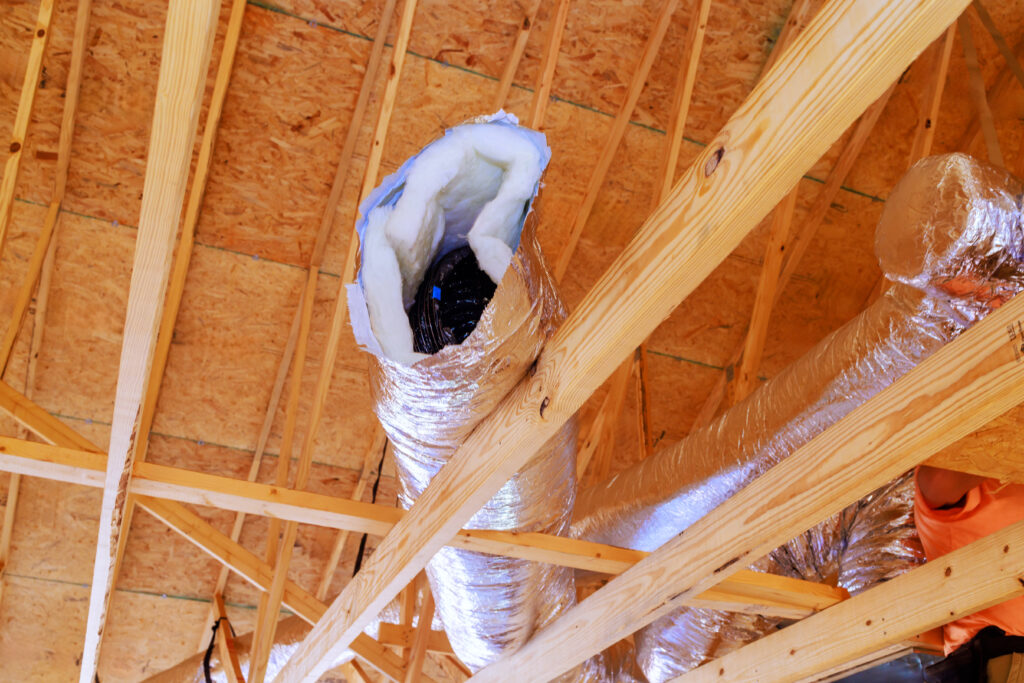
Humidity Worsens the Signs Your Ductwork Is Leaking Cool Air
Florida humidity averages above 70 percent for most of the year, and that moisture creates serious problems when ducts leak. Cool air escaping into a hot, humid attic creates condensation on the outside of the ducts, which drips onto ceilings, soaks insulation, and feeds mold growth. Warm, humid attic air pulled into the duct system through return leaks raises the humidity inside the home and forces the AC to work harder to remove moisture. You might run the air conditioner all day and still feel sticky because the system is fighting a losing battle against constant humid intrusion. Comfort drops, indoor air quality suffers, and mold becomes a real risk.
Mold inside ductwork is a serious health concern, especially for anyone with allergies, asthma, or respiratory conditions. Once mold establishes itself inside a humid, leaky duct system, it spreads to the air handler, the evaporator coil, and the supply registers. Cleaning visible mold from a register does nothing if the source is hidden inside the ducts. A licensed HVAC company can inspect the system with cameras, identify mold growth, and recommend the right combination of cleaning, sealing, and possible replacement. Ignoring the problem allows spores to circulate throughout the home for months or years. Early action protects both the system and the family.
Dehumidifiers and high-efficiency air conditioners only work as well as the ducts that deliver their conditioned air. A leaky duct system undermines every dollar spent on humidity control equipment. Sealing the ducts lets the AC actually pull moisture out of the indoor air instead of constantly battling new humidity entering through leaks. The result is a drier, cooler, more comfortable home with lower power bills and better air quality. Florida homeowners often report that the house finally feels right after a proper duct seal. That single repair touches comfort, health, and cost all at once.
Pests and Rodents Cause Signs Your Ductwork Is Leaking Cool Air
Rats, squirrels, and raccoons love the warm, protected space inside Florida attics, and they often chew through flexible ductwork looking for cool air or nesting spots. Once a duct is damaged, the leak grows quickly as pests use the opening for repeated access. Droppings, nesting material, and parasites then enter the duct system and circulate through the home. Holes from rodents are usually larger than typical wear-and-tear leaks, so they waste more air and cause more contamination. A professional inspection often reveals pest damage that the homeowner had no idea existed. Sealing those holes and addressing the rodent problem must happen together for a lasting fix.
Insects can cause duct problems too, especially when carpenter ants or wasps build nests inside accessible duct cavities. Their activity weakens duct walls and creates additional pathways for air to escape. Spider webs and roach debris also collect inside leaky ducts, which contaminates the air you breathe. Regular HVAC inspections catch these issues before they become major problems. A good duct cleaning combined with sealing keeps the system clear and efficient. Many homeowners schedule both services together for the best long-term result.
Pest control and HVAC service work best when they happen on the same maintenance schedule, particularly in Central Florida where wildlife pressure is constant. Fixing duct leaks without addressing the rodent entry point only invites the next round of damage. A licensed HVAC technician can identify chewed sections, recommend replacements, and coordinate with a pest control company when needed. Keeping the attic sealed at the roof line and soffits is the first line of defense. Once the pests are out and the ducts are repaired, the system runs cleaner, quieter, and more efficiently. Long-term peace of mind comes from solving both problems at once.
Why You Need Professional Help for Signs Your Ductwork Is Leaking Cool Air
Spotting the signs of leaking ductwork is one thing; finding and fixing every leak is another. Ducts run through attics, walls, and floor cavities that most homeowners cannot safely access, and proper repair requires specialized tools and materials. Pressure testing, thermal imaging, and mastic application are not weekend DIY projects. A licensed HVAC company brings the equipment and the experience needed to restore your system to peak performance. Investing in professional duct service pays off through lower bills, better comfort, and a longer-lasting HVAC system.
Professional Inspection Confirms the Signs Your Ductwork Is Leaking Cool Air
A trained technician starts with a visual inspection of every accessible section of ductwork, checking for separated joints, damaged insulation, crushed flex runs, and pest damage. Thermal imaging cameras then reveal temperature differences that point to hidden leaks behind walls and above ceilings. Duct blaster testing measures the total leakage rate and confirms whether the system meets modern efficiency standards. The combination gives a complete picture of where the leaks are and how severe they are. Homeowners often learn that what they thought was an AC problem was a duct problem all along. Accurate diagnosis saves money by targeting repairs exactly where they are needed.
The inspection also catches related issues that affect system performance, including undersized return ducts, restrictive filter housings, and improper duct routing. Many homes built quickly during the Florida growth boom have duct systems that never worked correctly from day one. Fixing the original mistakes during a sealing project delivers far better results than just patching the obvious leaks. A professional can recommend layout changes that improve airflow to problem rooms. Those upgrades often eliminate hot spots that have frustrated the family for years. The investment pays off every cooling season.
Documentation matters too, especially for homeowners planning to sell or refinance. A duct leakage report from a licensed HVAC contractor adds value to the home and gives buyers confidence in the system. Energy audits and home inspections increasingly include duct performance as a measured criterion. Sealed, efficient ductwork supports higher appraisals and faster sales. Keeping records of the inspection and repair work protects you when it comes time to negotiate. That paperwork is one more reason to use a licensed professional instead of a handyman.
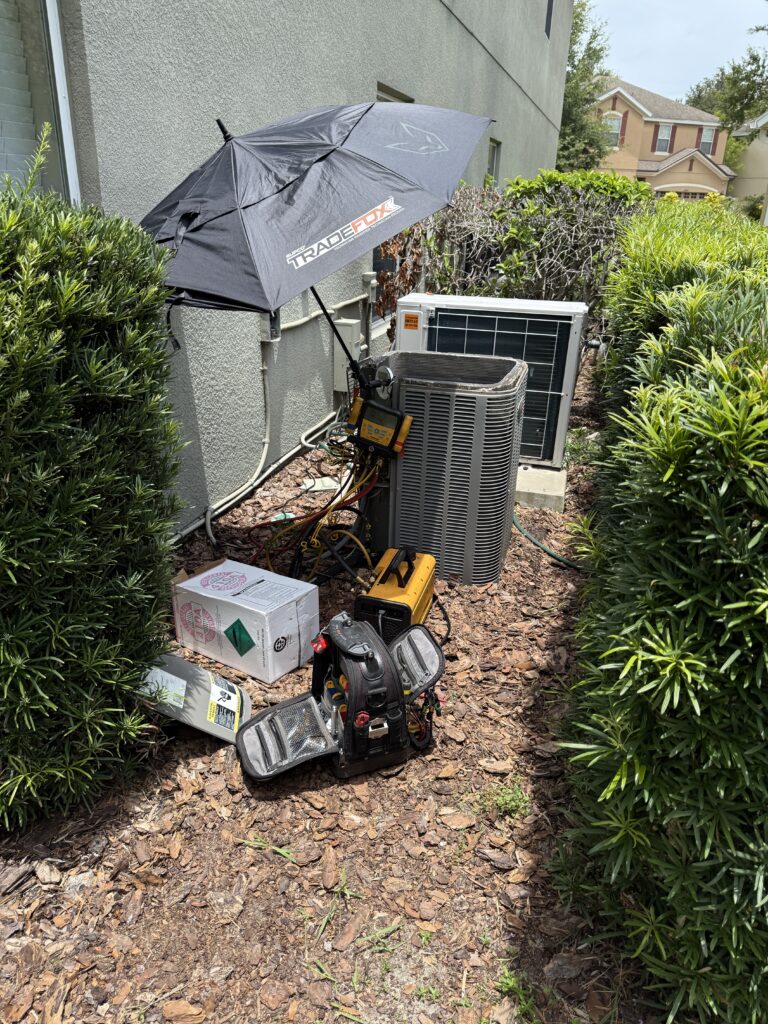
Proper Repair Eliminates the Signs Your Ductwork Is Leaking Cool Air
Sealing duct leaks correctly requires the right materials applied the right way. Mastic sealant brushed onto every joint creates a flexible, airtight bond that lasts for decades. Metal foil tape rated for HVAC use seals smaller gaps and reinforces stressed connections. Aerosol sealants like Aeroseal can address leaks inside ducts that cannot be reached by hand. Each method has its place, and a skilled technician chooses the right tool for each situation. Cutting corners with duct tape or hardware-store products leads to repeat failures within a year or two.
Sometimes sealing is not enough, and full duct replacement makes more sense. Ducts older than 20 years, severely damaged by rodents, or saturated with mold often need to be removed and replaced. Modern duct materials are more durable, better insulated, and easier to seal than the products used decades ago. A replacement project also allows the technician to correct sizing and routing problems that limit airflow. The result is a quieter, more efficient, more comfortable home. Replacement costs more upfront but delivers better long-term value when the existing system is too far gone.
Post-repair testing confirms the work was done correctly and the system now meets efficiency standards. A second duct blaster test compares before-and-after leakage rates and gives you proof of the improvement. That measurable result separates professional work from amateur attempts. Homeowners can see exactly what they paid for and what they gained. Need a duct inspection or repair done right? Click here for our air duct services and get a straightforward quote with no hidden fees.
Why Choose Legion Cooling for Signs Your Ductwork Is Leaking Cool Air
Legion Cooling is a family-owned, faith-driven HVAC company serving Central Florida from our Winter Garden location. We bring honest, expert service to every job, backed by full licensing and insurance. Our technicians inspect, test, and repair ductwork using proven methods and quality materials that hold up to Florida conditions. We do not cut corners, push unnecessary upgrades, or surprise you with hidden fees. Every quote is straightforward, and every repair is done right the first time.
Local homeowners trust us because we treat their homes the way we treat our own. We arrive on time, communicate clearly, and finish the job to the standard we would want in our own family’s house. Financing is available for larger projects, so a major duct replacement does not have to drain your savings. Our team stays current on the latest HVAC techniques and equipment, which means you get modern solutions delivered with old-fashioned integrity. That balance is rare in the trades, and it is what sets us apart.
Whether you have noticed warm rooms, rising bills, or excess dust, we are ready to help you find and fix the source. Call (321) 316-2422 or email info@legioncooling.com to schedule an inspection. Our service area covers Winter Garden, Horizon West, Windermere, Clermont, Apopka, Winter Park, and surrounding Central Florida communities. We are committed to getting it done right every time, for every customer. Reach out today and feel the difference a properly sealed duct system makes in your home.