How to Keep Your Home Cool Without Overworking Your AC
Florida summers push air conditioning systems to their absolute limits, and homeowners across Winter Garden know the struggle of balancing comfort with rising energy bills. Your AC unit works hardest when outdoor temperatures climb into the 90s, often running for hours without a real break. The good news is that you can take simple steps to reduce the load on your cooling system while keeping your home comfortable. Smart habits, regular maintenance, and a few household upgrades can make a major difference in how often your AC cycles. This guide walks you through practical strategies that protect your equipment, lower your monthly costs, and extend the lifespan of your system. Legion Cooling has helped families across Central Florida stay comfortable through the hottest months, and these tips reflect what actually works in our climate.
Simple Daily Habits That Reduce AC Workload in Your Home
Your daily routines have a bigger impact on AC performance than most people realize. Small changes in how you use blinds, ceiling fans, appliances, and thermostats can dramatically reduce how hard your system has to work. Florida heat is relentless, and every degree of heat gain inside your home forces your AC to run longer. By controlling indoor heat sources and managing sunlight, you give your system the breathing room it needs. These habits cost nothing to implement and start saving energy immediately.
Daily Habits That Reduce AC Workload Through Smart Window Management
Sunlight pouring through windows is one of the biggest sources of unwanted heat in Florida homes. South-facing and west-facing windows pick up the most solar gain during the afternoon hours, when outdoor temperatures peak. Closing blinds, curtains, or shades during these peak hours blocks a significant amount of radiant heat from entering your living spaces. Blackout curtains or thermal-lined drapes work especially well, since they reflect sunlight back outside instead of letting it warm your walls and floors. Even basic cellular shades can cut heat transfer by a noticeable margin, which means your AC does not have to fight against constant heat infiltration. Homeowners who manage their windows well often see their indoor temperatures stay several degrees cooler during peak afternoon hours. This single change can shave runtime off your AC cycles every single day.
Window films are another smart option for homes that get heavy sun exposure throughout the day. These thin films apply directly to the glass and block ultraviolet rays along with a portion of infrared heat. Many homeowners install reflective or tinted films on west-facing windows because the late afternoon sun is the most intense in Central Florida. The films are nearly invisible from inside, so you still get natural light without the heat penalty. Combined with exterior landscaping like shade trees or awnings, window films create a layered defense against solar heat gain. Your AC will cycle less frequently, and rooms that used to feel warm by 4 p.m. will stay comfortable.
Ventilation timing also plays a role in keeping heat out of your home. During the early morning hours when outdoor temperatures dip into the 70s, opening windows briefly can flush out warm indoor air and let cooler air settle in. By mid-morning, you should close everything up tight to trap that cooler air inside. This technique works best during shoulder seasons like spring and early fall, but even in summer it can give your AC a head start on the day. Sealing windows properly with weatherstripping prevents conditioned air from leaking out once the AC kicks back on. Pair these habits with clean filters and a well-maintained system, and your home stays cooler with far less effort from your equipment.
Daily Habits That Reduce AC Workload By Managing Indoor Heat Sources
Your oven, stove, dryer, and even certain electronics generate significant heat that your AC has to remove. Cooking a big meal in the middle of a hot afternoon can raise your kitchen temperature by 10 degrees or more, and that heat spreads throughout the rest of your home. Switching to outdoor grilling, slow cookers, microwaves, or air fryers during summer dramatically cuts down on indoor heat production. Many Winter Garden families plan their bigger meals for cooler evening hours, which lets the AC catch up before bedtime. Even simple swaps like using the toaster oven instead of the full-sized oven can make a noticeable difference. Your AC works less, your kitchen stays cooler, and your energy bill goes down.
Laundry is another major heat source that often gets overlooked. Dryers pump hot, humid air into your laundry room and can leak heat into adjacent spaces if the venting is not perfectly sealed. Running the dryer during the hottest part of the day forces your AC to compensate for that extra heat load. Doing laundry early in the morning or late at night keeps the heat away from peak cooling hours. Air-drying clothes outside is another option that works well in Florida’s sunny climate, and it cuts your dryer usage almost entirely during summer months. These small scheduling changes add up to real savings over the course of a season.
Electronics and lighting also contribute to indoor heat, though most people underestimate how much. Old incandescent bulbs throw off significant heat compared to modern LED bulbs, which run cool and use a fraction of the energy. Swapping out lighting throughout your home is a one-time investment that pays off month after month. Computers, gaming consoles, and televisions all generate heat too, especially when left running for long periods. Powering down electronics when they are not in use reduces both your electric bill and the cooling load on your AC. Together, these adjustments create a cooler home environment that lets your system rest more often.
Daily Habits That Reduce AC Workload Using Ceiling Fans and Thermostat Settings
Ceiling fans do not actually cool the air, but they create a wind-chill effect on your skin that makes a room feel several degrees cooler. This means you can raise your thermostat setting by 3 to 4 degrees without sacrificing comfort, which is a huge win for energy savings. The key is to run ceiling fans only in rooms you are actively using, since running them in empty rooms just wastes electricity. Make sure your fan blades are spinning counterclockwise during summer, which pushes cool air down toward the floor. Most ceiling fans have a small switch on the motor housing that lets you change direction with the seasons. Pair fan use with smart thermostat settings, and you can reduce AC runtime significantly throughout the day.
Setting your thermostat strategically is one of the easiest ways to ease the load on your cooling system. The Department of Energy recommends setting your thermostat to 78 degrees when you are home and awake during summer, then raising it higher when you are away or sleeping. Every degree higher saves roughly 3 percent on cooling costs, so even small adjustments add up quickly. Programmable and smart thermostats make this easy by automating temperature changes based on your schedule. You can set it to cool down the house just before you arrive home, so you never walk into a hot space. Many smart thermostats also learn your habits over time and optimize cycles for maximum efficiency.
Avoid the common mistake of cranking the thermostat way down to cool the house faster. Air conditioners do not work like that; they cool at a steady rate regardless of how low you set the temperature. Setting it to 65 just makes the system run longer and harder, which wastes energy and adds wear to the equipment. Instead, set a reasonable target temperature and let the system do its job at a normal pace. Combining smart thermostat habits with ceiling fans and good window management gives you the trifecta of efficient cooling. Need a thermostat upgrade? Click here for our thermostat installation service.
Home Improvements That Help Your AC Run More Efficiently
Beyond daily habits, certain home improvements deliver long-term reductions in AC workload. Insulation, duct sealing, and air quality upgrades all play a role in how efficiently your system can cool your home. Florida’s hot, humid climate punishes homes with weak insulation or leaky ductwork, and the result is a system that runs constantly without ever feeling cool enough. Investing in these improvements pays off through lower bills, better comfort, and a longer lifespan for your AC. Many of these upgrades qualify for financing, which makes them accessible without a huge upfront cost.
Home Improvements That Help Your AC Run More Efficiently Through Better Insulation
Attic insulation is the single biggest factor in keeping Florida homes cool. The sun beats down on your roof all day, heating the attic to temperatures well over 130 degrees during peak summer. Without adequate insulation, that heat radiates down through your ceilings and into your living spaces, forcing your AC to work overtime. Most Central Florida homes built before the 2000s have insulation levels below current recommendations, and many newer homes have insulation that has settled or degraded over time. Adding blown-in insulation to bring your attic up to current R-value standards can dramatically reduce heat transfer. Homeowners often report their AC runs noticeably less after an insulation upgrade, especially during the worst summer afternoons.
Wall insulation also matters, particularly in older homes that may have minimal or no insulation in exterior walls. While wall insulation upgrades are more invasive than attic work, they make a big difference in overall comfort and energy efficiency. Some homeowners opt for blown-in cellulose or foam insulation, which can be installed through small holes in the drywall and patched up afterward. The investment pays off in lower cooling costs and a more even temperature throughout the house. Rooms that used to feel hot in the afternoon become comfortable and consistent. Your AC stops short-cycling and runs in longer, more efficient cycles.
Sealing air leaks throughout your home is another critical improvement that often gets ignored. Gaps around windows, doors, electrical outlets, plumbing penetrations, and recessed lighting let conditioned air escape and hot outdoor air sneak in. Caulking, weatherstripping, and foam sealants are inexpensive ways to close these gaps. A blower door test from a qualified energy auditor can identify the worst leakage points in your home so you know where to focus. Combined with proper insulation, air sealing creates a tight thermal envelope that lets your AC actually do its job. Your system runs less, your bills drop, and your home stays comfortable through the hottest weeks of summer.
Home Improvements That Help Your AC Run More Efficiently With Duct Sealing and Repair
Leaky ductwork is one of the most common reasons AC systems run constantly without cooling effectively. Studies show the average home loses 20 to 30 percent of its conditioned air through duct leaks, and that number can be even higher in older homes or systems with damaged ducts. Every bit of cool air that escapes into your attic or wall cavities is air your AC has to produce again. Sealing duct joints with mastic sealant or specialized tape can recover a huge portion of that lost air. Some homeowners go a step further with aeroseal technology, which seals leaks from the inside of the ductwork. The result is more airflow at your registers, faster cooling, and less runtime on your system.
Damaged or disconnected ducts are another problem that affects many Central Florida homes. Flexible ducts can collapse, kink, or pull apart at connection points over time, especially in attics where pests or workers may have disturbed them. Crushed ducts restrict airflow and make certain rooms harder to cool, which causes you to lower the thermostat in an attempt to compensate. A professional duct inspection identifies these issues and lets you address them before they cause bigger problems. Repairing or replacing damaged ducts restores proper airflow throughout the home. Your AC cycles normally, every room cools evenly, and the system stops straining against restrictions.
Insulating exposed ductwork in your attic or crawl space is another upgrade worth considering. Ducts running through hot attics absorb heat as cool air passes through them, which means the air coming out of your vents is warmer than it should be. Wrapping ducts in proper insulation slows that heat transfer and keeps your conditioned air closer to the temperature your AC produced. This is especially important in Florida, where attic temperatures soar during summer. The combination of sealed, repaired, and insulated ducts transforms how your cooling system performs. Need help with your ductwork? Click here for our air duct service.
Home Improvements That Help Your AC Run More Efficiently By Upgrading Indoor Air Quality
Indoor air quality systems do more than just clean the air; many of them also help your AC run more efficiently. A clogged or dirty filter restricts airflow through your system, which forces the blower motor to work harder and reduces cooling output. Upgrading to a higher-quality filter and changing it regularly keeps air moving freely through the equipment. Some homeowners install media filters or whole-home air cleaners that catch finer particles without restricting airflow the way standard filters can. These systems protect your equipment from dust buildup on the coils and blower wheel, which is another major cause of efficiency loss.
Humidity control is another huge factor in Florida cooling. High indoor humidity makes the air feel warmer than it actually is, so you end up lowering the thermostat to feel comfortable. A whole-home dehumidifier removes excess moisture independently of your AC, which lets you raise the thermostat without losing comfort. The cooler you feel at higher temperature settings, the less your AC has to run. Dehumidifiers also protect your home from mold, mildew, and damage to wood and other materials caused by chronic high humidity. The energy savings often offset much of the operating cost of the dehumidifier itself.
UV lights and air purification systems installed inside your HVAC equipment keep the coil and blower components clean over time. A clean evaporator coil transfers heat efficiently, which is exactly what your AC needs to cool your home with minimal runtime. When biological growth or dust accumulates on the coil, heat transfer drops and the system has to run longer to achieve the same cooling effect. These add-ons are relatively inexpensive compared to the energy savings and equipment protection they provide. Healthier air, cleaner equipment, and lower bills all come from one upgrade. Click here for our indoor air quality service to learn more.
Why You Need Professional AC Maintenance to Prevent Overworking
Even with great habits and smart upgrades, your AC needs regular professional maintenance to perform at its best. Florida’s climate puts extreme demands on cooling equipment, and small issues can quickly snowball into major problems. Annual tune-ups catch developing failures before they leave you without cooling on a hot day. Maintenance also keeps your warranty valid, since most manufacturers require documented professional service. Legion Cooling provides thorough maintenance designed for the realities of Central Florida weather.
Why You Need Professional AC Maintenance to Catch Hidden Problems Early
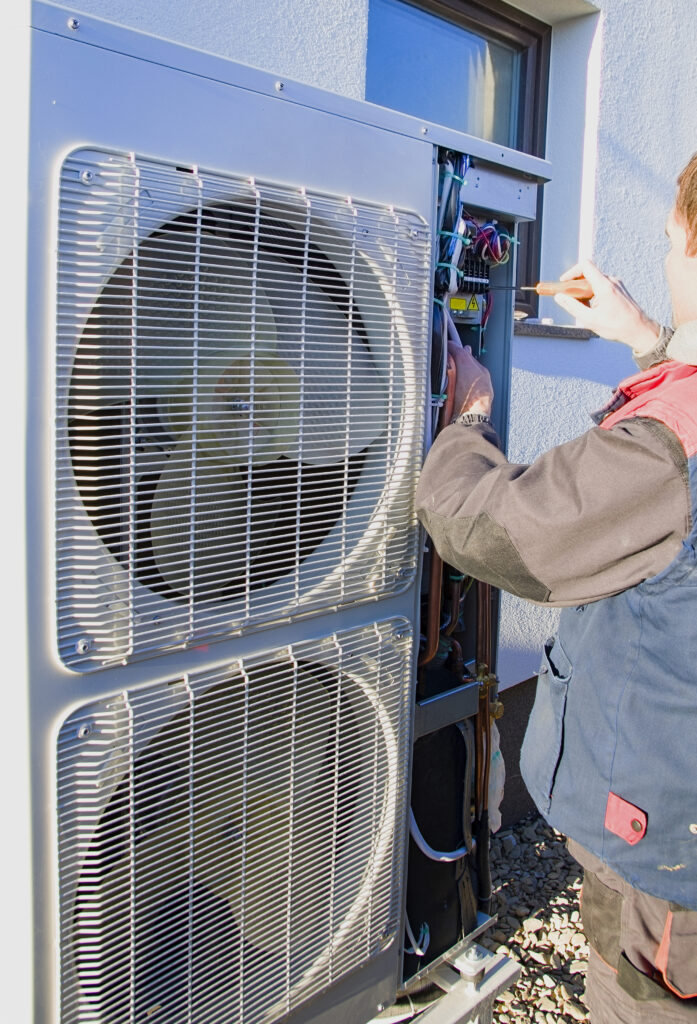
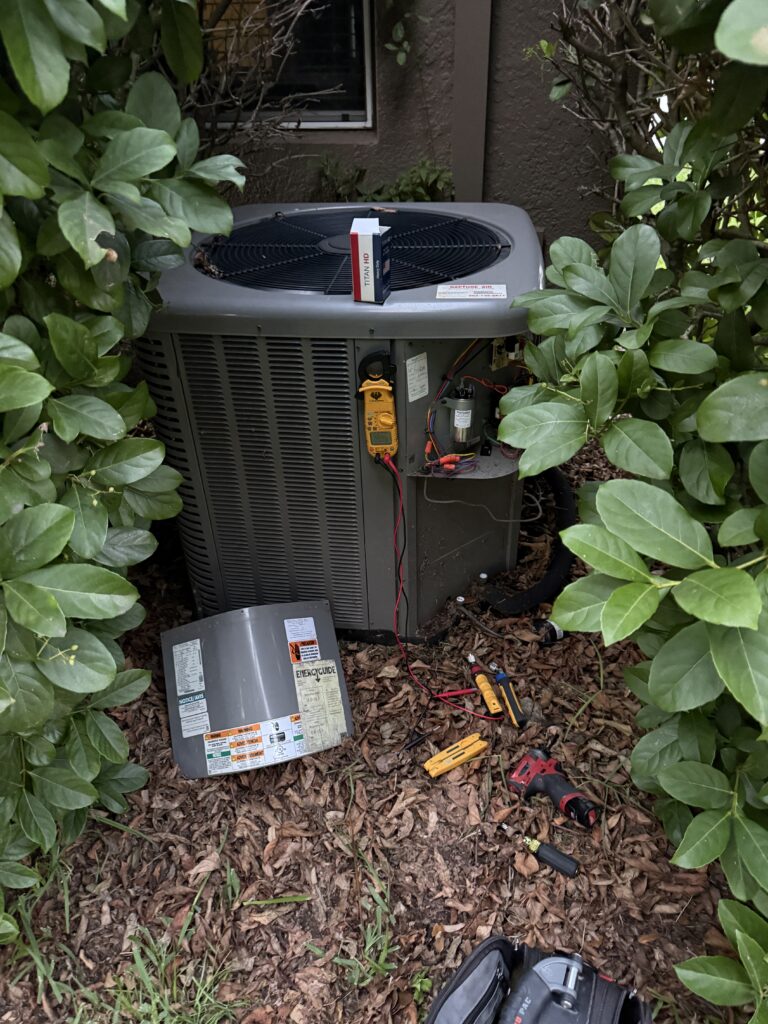
Refrigerant levels, electrical connections, and mechanical components all need periodic inspection to ensure your AC runs efficiently. A system low on refrigerant has to run much longer to achieve the same cooling effect, which drives up your bill and wears out the compressor. Loose electrical connections cause voltage drops that make motors work harder and burn out sooner. Mechanical parts like fan motors, capacitors, and contactors degrade over time and can fail without warning if not inspected. A trained technician identifies these issues during a maintenance visit and addresses them before they cause a breakdown.
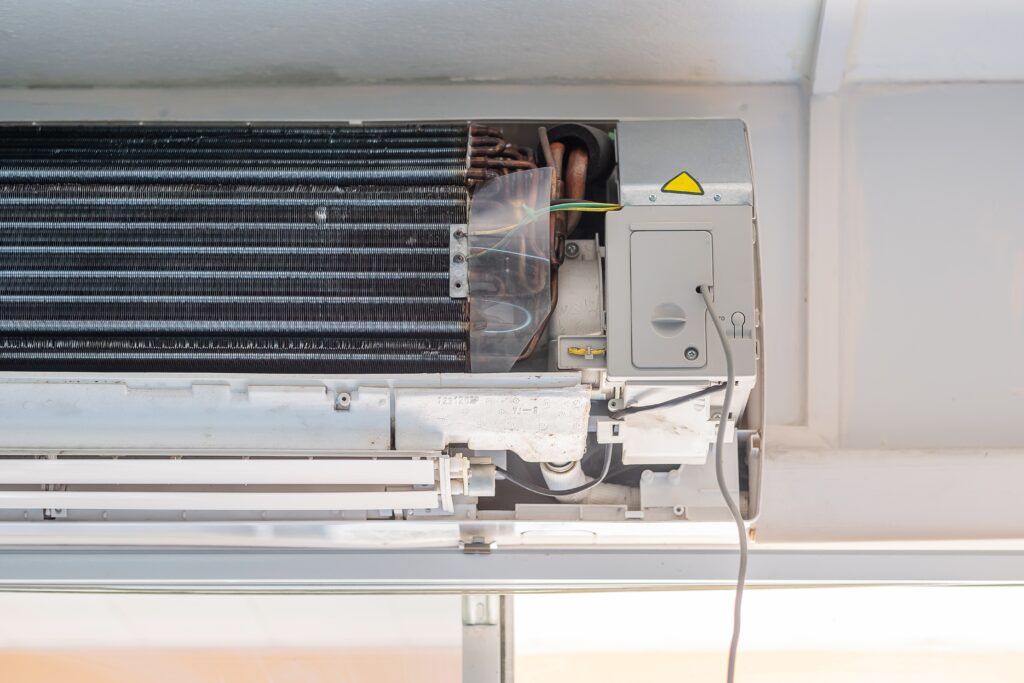
Coil cleaning is another critical part of professional maintenance that homeowners simply cannot do themselves. The evaporator coil inside your air handler and the condenser coil outside both collect dirt, pollen, and debris that reduce heat transfer. Dirty coils force your AC to run longer to remove heat from your home, which wastes energy and stresses the equipment. Professional cleaning restores full heat transfer capacity and brings cooling performance back to factory specs. Most homeowners are surprised at how much better their system works after a thorough coil cleaning.
Drain line maintenance prevents one of the most common AC failures in Florida. The condensate drain line carries moisture away from the indoor unit, and it can clog with algae and biological growth in our humid climate. A clogged drain causes water to back up and trip the safety switch, which shuts your AC down completely. Worse, in some cases water can overflow and damage ceilings, floors, or walls. Professional maintenance flushes the drain line and treats it to prevent future clogs. This simple service prevents huge headaches during the hottest months.
Why You Need Professional AC Maintenance to Extend Equipment Lifespan
Most AC systems are designed to last 12 to 15 years, but only when properly maintained. Skipping regular service shortens that lifespan significantly, often by half or more. The compressor is the most expensive component in your system, and it suffers the most when the unit runs hot, dirty, or low on refrigerant. Maintenance keeps the compressor operating within its design parameters and extends its working life. Replacing a compressor can cost thousands of dollars, so protecting it with annual service pays off many times over.
Capacitors, contactors, and other electrical components are inexpensive on their own, but they cause expensive damage when they fail. A failing capacitor strains the compressor and can lead to motor burnout. A worn contactor pits and arcs, eventually causing intermittent operation or complete failure. Catching these parts when they show early signs of wear lets technicians replace them cheaply during a maintenance visit. You avoid emergency repair calls and the inflated costs that come with after-hours service.
Air filters, lubrication, and refrigerant charge all factor into how long your equipment lasts. A properly maintained system runs smoothly, quietly, and efficiently year after year. Homeowners who invest in regular maintenance often get 18 to 20 years out of their AC equipment, while neglected systems break down by year 8 or 9. The math is simple: maintenance saves money in the long run. Click here for our air conditioning service to schedule your tune-up.
Why You Need Professional AC Maintenance From Legion Cooling
Legion Cooling is a family owned and faith driven HVAC company serving Winter Garden and the surrounding Central Florida communities. Our team brings honest, expert service to every appointment, and we believe in straightforward quotes with no hidden fees. We are licensed and insured, and we back every job with a commitment to getting it done right the first time. Our reputation is built on integrity, and we treat your home like our own.
We offer financing options for homeowners who need help spreading out the cost of bigger repairs or system replacements. Our technicians are trained on all major equipment brands, so we can service whatever system you have. We arrive on time, communicate clearly, and leave your home cleaner than we found it. Customers across Winter Garden, Clermont, Windermere, and beyond trust us to keep their homes comfortable year-round.
If your AC is working harder than it should, or if you want to prevent problems before they start, give us a call today. Legion Cooling is here to help you stay cool, save money, and enjoy peace of mind. Reach us at (321) 316-2422 or email info@legioncooling.com to schedule service. We serve homeowners throughout Central Florida with the kind of honest, dependable HVAC care our community deserves.