
Heat Pump vs. Furnace: What’s the Right Fit for You?
Choosing a new heating and cooling system is one of the most significant investments you will make for your home in Winter Garden. Unlike choosing a paint color or a new sofa, this decision impacts your monthly budget, your daily comfort, and your family’s safety for the next decade or more. The terminology alone can be overwhelming for the average homeowner. You hear about SEER ratings, AFUE percentages, tonnage, and variable speed motors. However, the most fundamental choice you face often comes down to the heat source itself. Should you install a heat pump, or is a furnace the better option?
In the northern states, this debate is often settled by the severity of the winter. In Central Florida, the answer is more nuanced. We live in a climate that is dominated by the need for cooling, yet we still experience a distinct, albeit short, winter season where heating is absolutely necessary. The “right” choice depends heavily on your specific home infrastructure, your tolerance for cold, your budget, and your energy efficiency goals. Both systems have distinct advantages and drawbacks when applied to our subtropical climate. Understanding the mechanics of how they operate and how they translate to your utility bill is the first step in making an educated decision that you will be happy with for years to come.
The Heat Pump Advantage in Florida
For the vast majority of homes in Winter Garden and the surrounding Central Florida area, the heat pump is the standard solution. This is not by accident; it is a matter of climatic suitability. A heat pump is essentially an air conditioner that can run in reverse. During the long, hot summer months, it functions exactly like a standard AC unit. It uses refrigerant to absorb heat from inside your home and release it outside. The “pump” part of the name refers to its ability to move thermal energy from one place to another.
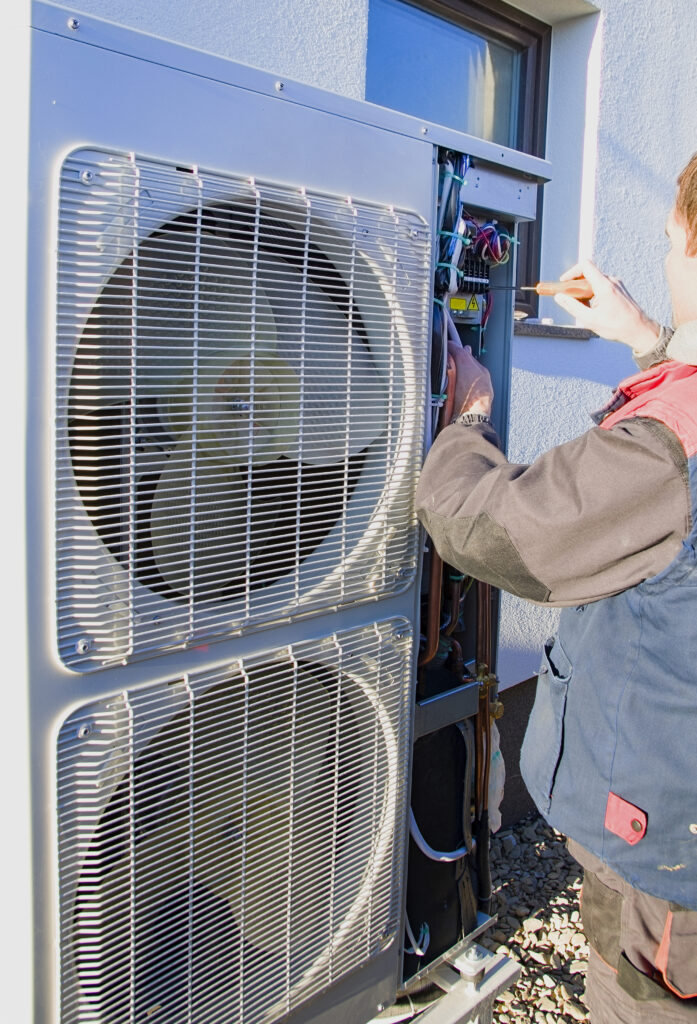
When the temperature drops in January or February, the heat pump reverses this process. A component called a reversing valve switches the flow of refrigerant. The system then absorbs heat from the outdoor air—even when it feels cold to us, there is still thermal energy in the air—and pumps it inside your home. Because it is moving heat rather than generating it by burning fuel, it is incredibly energy efficient. In our mild winter climate, where temperatures rarely stay below freezing for long periods, a heat pump can operate at three hundred to four hundred percent efficiency. This means for every dollar of electricity you spend, you get three to four dollars worth of heat.
The heat pump is particularly well suited for our region because it consolidates your HVAC needs into a single system. You do not need two separate machines. This simplifies maintenance and reduces the amount of space required for installation. Furthermore, because it runs on electricity, you do not need to worry about gas lines, venting hazardous fumes, or the potential for carbon monoxide leaks associated with combustion appliances. For the environmentally conscious homeowner, the heat pump represents a cleaner, lower carbon way to heat the home, especially as the electrical grid becomes greener.
The Case for the Gas Furnace
While heat pumps are the dominant technology in our area, the gas furnace remains a powerful and popular contender, particularly in older neighborhoods or custom homes that have access to natural gas lines. A furnace operates on a completely different principle. It burns a fuel source, usually natural gas or propane, to create a flame. This flame heats a metal heat exchanger. The air from your home is blown over this hot metal, absorbing the heat before being circulated back into your rooms.
Need a furnace install? Click here for our furnace installation service.
The primary advantage of a furnace is the quality and intensity of the heat it produces. Heat pumps produce air that is typically around ninety to ninety five degrees. This is warm enough to heat your home, but because it is below our body temperature of ninety eight degrees, the air coming out of the vents can feel slightly cool to the touch if you stand directly under it. A gas furnace, by contrast, produces air that is between one hundred and twenty and one hundred and forty degrees. This creates a hot, toasty feeling that warms the home rapidly.
For homeowners who are sensitive to the cold or who grew up in northern climates, the “warm hug” of a gas furnace is often preferable to the gentler, slower heating of a heat pump. Additionally, a furnace is not affected by the outdoor temperature. A heat pump loses efficiency and capacity as the thermometer drops toward freezing. A furnace produces the exact same amount of heat whether it is fifty degrees outside or twenty degrees outside. If we experience a rare hard freeze, a furnace will have no trouble maintaining your indoor temperature, whereas a heat pump might struggle and have to rely on expensive backup electric strips.
Analyzing Operational Costs and Efficiency
When you are weighing these two options, the long term operational cost is usually the deciding factor. In Winter Garden, electricity is the primary energy source for most homes. Heat pumps are generally the most cost effective way to heat a home in our climate because of their high Coefficient of Performance. As mentioned, they move more energy than they consume. However, this efficiency comes with a caveat. When the temperature drops below a certain point, usually around thirty five or forty degrees, the heat pump can no longer extract enough heat from the outside air to keep up with the demand.
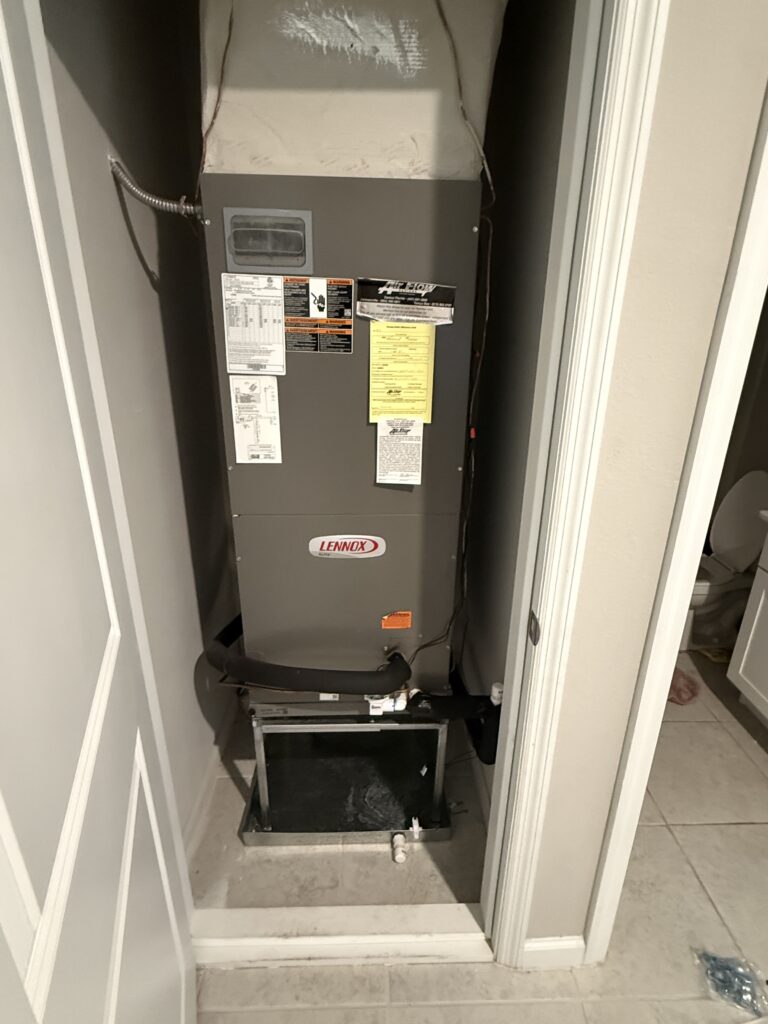
At this point, the heat pump relies on “auxiliary heat,” which usually consists of electric resistance heating strips installed in the air handler. These strips are essentially giant toaster coils. They are one hundred percent efficient, meaning one dollar of electricity gives you one dollar of heat, but compared to the three hundred percent efficiency of the heat pump, they are expensive to run. If you have an older heat pump or a poorly insulated home, your system might rely on these strips too often, causing your electric bill to spike during cold snaps.
Gas furnaces have their own efficiency metric called AFUE, or Annual Fuel Utilization Efficiency. A modern high efficiency furnace might have an AFUE of ninety six percent or higher. This means that ninety six percent of the gas you buy is converted into heat, and only four percent escapes up the flue pipe. While this is lower than the heat pump’s three hundred percent efficiency, natural gas is often cheaper per unit of energy than electricity. Therefore, depending on the current rates of gas versus electricity, a furnace can sometimes be cheaper to operate during the coldest nights of the year. However, you also have to factor in the monthly service fee for the gas connection, which you pay even in the summer when you are not using the furnace, unless you also have a gas water heater or stove.
Longevity and Maintenance Requirements
The lifespan of your equipment is another critical angle to consider. A heat pump works double shifts. It runs all summer to cool your home and all winter to heat it. It effectively operates for ten to twelve months out of the year in Florida. Because of this constant workload, the compressor and outdoor fan motor are under significant stress. The average lifespan of a heat pump in Florida is typically between ten and fifteen years, depending on how well it is maintained.
Want to know the signs it’s time to schedule furnace servicing? Click here for more information.
A furnace, on the other hand, gets a summer vacation. It sits idle for eight or nine months of the year, only kicking on for the brief winter season. Because it runs so infrequently, the mechanical components of a furnace experience far less wear and tear. It is not uncommon for a gas furnace to last twenty years or more. However, the cooling component of a furnace system (the AC unit) is separate. You will still have an outdoor AC unit that will wear out in ten to fifteen years. So, while the furnace itself lasts longer, you will still be replacing the air conditioner part of the system on the same schedule as a heat pump.
Maintenance requirements also differ. A heat pump requires the standard checks: cleaning coils, checking refrigerant levels, and testing capacitors. A furnace requires a more specialized safety inspection. Because it burns fuel, technicians must check the heat exchanger for cracks. A cracked heat exchanger can allow carbon monoxide to leak into your living space, which is a deadly hazard. They must also ensure the flue pipe is venting correctly and that the gas pressure is calibrated. While a furnace might last longer mechanically, it requires a higher level of vigilance regarding safety inspections.
Infrastructure and Installation Logistics
Ultimately, the decision might be made for you by the infrastructure of your home. If your house was built with a heat pump, it likely has a specific electrical setup. Heat pumps with electric backup strips require significant amperage, often necessitating two large breakers in your electrical panel. If you wanted to switch to a gas furnace, you would first need to verify that gas is even available on your street. If it is, you would need to pay to have a line run to your house and then plumbed to the HVAC closet.
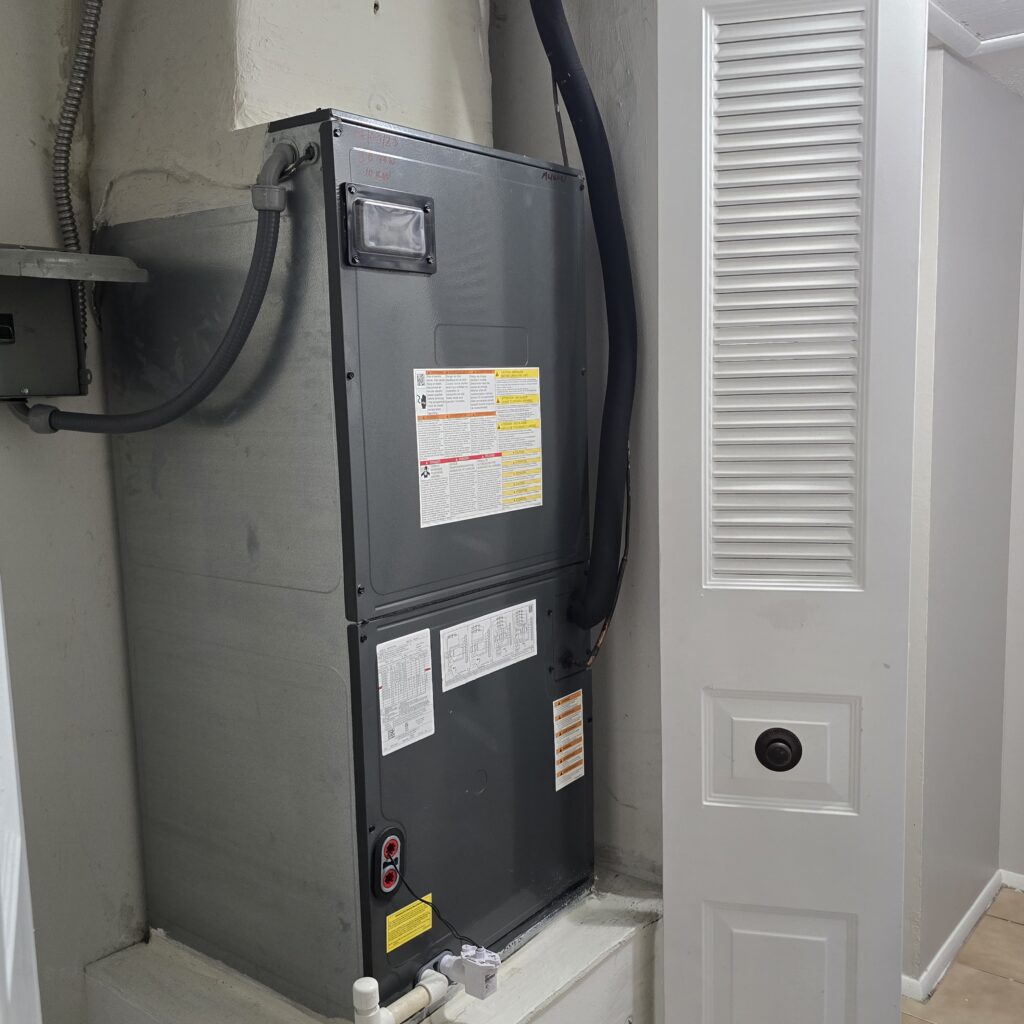
You would also need to install a flue vent. A furnace produces exhaust gases that must be vented through the roof. If your HVAC closet is in the middle of the first floor of a two story house, running a new vent pipe through the second floor and out the roof can be a major construction project involving drywall repair and roofing work. The cost of these modifications often outweighs the benefits of switching systems.
Conversely, if you currently have a gas furnace and want to switch to a heat pump to get away from fossil fuels, you face different challenges. You would need to cap the gas line and potentially upgrade your electrical panel. The backup heat strips for a heat pump might require more power than your current furnace circuit provides. You would need an electrician to run new, heavier gauge wire from the panel to the air handler. These logistical hurdles are why most homeowners in Winter Garden choose to replace “like for like.” It is usually the most cost effective and least invasive path.
There is no single “best” system for every home in Winter Garden. The heat pump reigns supreme in terms of overall efficiency and suitability for our specific climate, offering a balanced solution that handles our long summers and mild winters with equal competence. It is the logical choice for all electric homes and for those who prioritize energy efficiency ratings. However, the gas furnace holds a strong position for those who demand the comfort of high temperature heat and for those whose homes are already set up for natural gas. It offers reliability and speed that a heat pump struggles to match on the coldest days of the year.
When the time comes to replace your system, look beyond the price tag. Consider how long you plan to stay in the home, your monthly budget for utilities, and your personal comfort preferences. If you currently feel cold in your home during the winter despite the thermostat being set to seventy, a furnace might be the upgrade you need. If you dread your electric bill in January, a high efficiency heat pump might be the answer. Legion Cooling is here to help you navigate these trade offs. We can assess your home’s current infrastructure, perform a load calculation, and present you with options that fit your life. Whether you choose the versatile heat pump or the powerful furnace, ensuring it is sized correctly and installed professionally is the key to years of worry free comfort.