Cold Snaps in Florida: Is Your System Ready?
Florida is famous for its endless summer. We market our state on sunshine, beaches, and the ability to wear shorts in December. For residents of Winter Garden, this reputation is mostly true. We spend the vast majority of our year concerned with keeping our homes cool and battling the humidity. Our air conditioners are the workhorses of our daily lives, running almost non stop from March through November. Because of this intense focus on cooling, it is easy to fall into a state of complacency regarding the heating capabilities of our HVAC systems. The heater is the forgotten component, sitting dormant and unnoticed in the background for months on end.
However, the Florida climate is not purely tropical; it is subtropical. This means that while our winters are mild on average, we are subject to sudden, sharp cold snaps that can drop temperatures into the thirties or even the twenties overnight. These events often arrive with little warning, riding the back of a strong cold front pushing down from the north. When these freezes hit, they expose every weakness in a home’s heating infrastructure. A system that has been ignored all year is suddenly asked to perform at maximum capacity under harsh conditions. For many homeowners, this leads to a rude awakening in the form of a freezing house, a panicked call to a repair service, and a realization that their system was simply not ready for the shift in seasons.
The Alarm of the Burning Smell
The most common phenomenon that occurs during the first cold snap of the year is a wave of panic across the neighborhood caused by a specific smell. You wake up on a chilly morning, perhaps the first time the temperature has dipped below fifty degrees since March. You walk to the thermostat and switch it from “Cool” to “Heat.” You bump the temperature up a few degrees to take the chill off the air while you make coffee. Within minutes, a distinct, acrid odor begins to fill the house. It smells like something is burning. To the uninitiated, this scent is terrifying. It triggers an immediate fear of electrical fires and safety hazards.
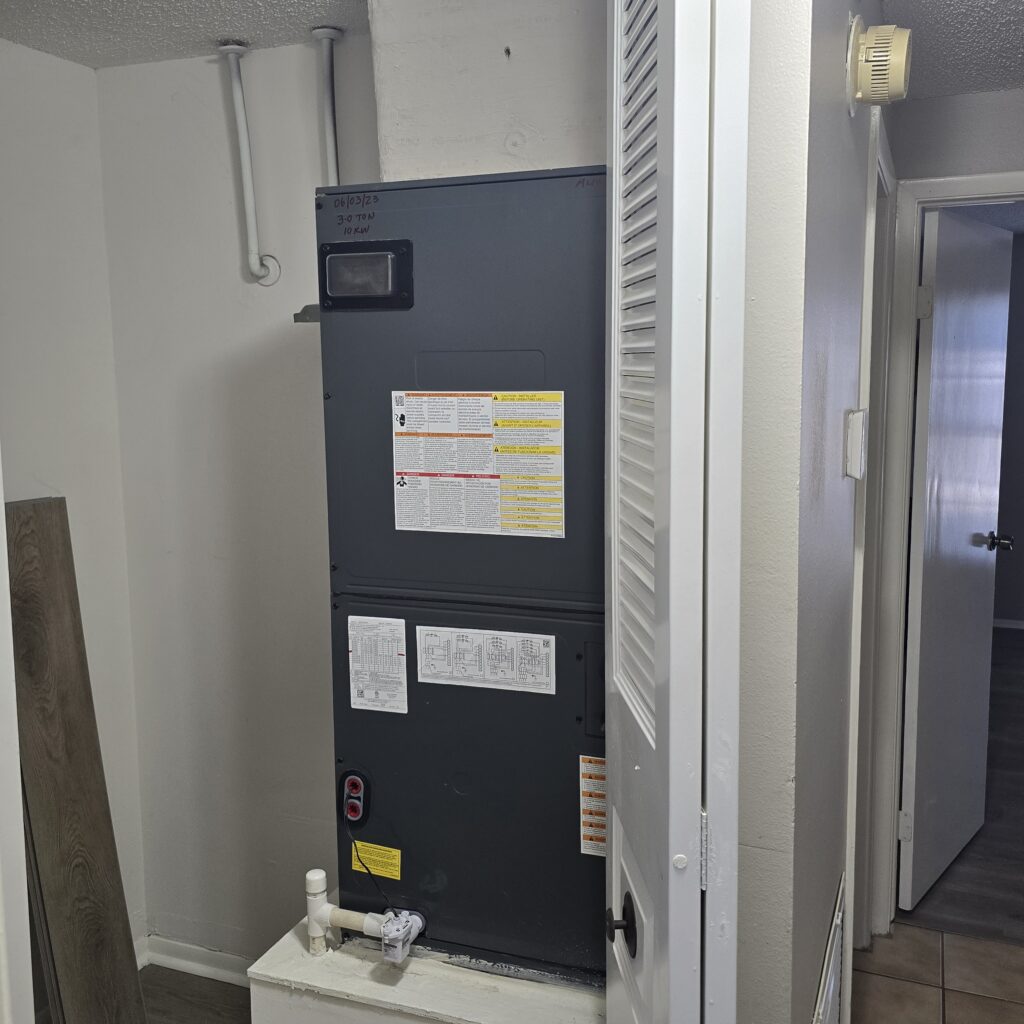
In the vast majority of cases in Central Florida, this smell is not a sign of a catastrophic failure, but rather a natural consequence of our climate. Most homes in our area utilize electric heat strips as part of their heating system. These strips are essentially large, high voltage heating coils similar to the elements inside a toaster or an oven. Because they have not been energized for eight or nine months, they have become a landing pad for dust, lint, and pet dander that circulates through your ductwork. When you turn the heat on, these coils heat up instantly to hundreds of degrees. The smell you are experiencing is that layer of accumulated dust being incinerated.
While this “burn off” process is normal, it creates confusion and anxiety. The smoke can sometimes be thick enough to create a light haze in the rooms near the vents or even trigger sensitive smoke detectors. The best course of action is usually to remain calm, open a few windows to create a cross breeze, and let the system run for twenty to thirty minutes. The smell should dissipate once the dust is gone. However, knowing the difference between burning dust and burning wire is critical. If the smell persists for more than an hour, or if it carries the sharp, chemical scent of melting plastic or ozone, that is a warning sign of a legitimate electrical fault. Being ready for a cold snap means understanding this distinction so you can react appropriately without unnecessary panic, or knowing when to shut the system down and call Legion Cooling for a safety inspection.
The Mechanics of the Reversing Valve
To understand why systems fail during cold snaps, you have to understand the machinery that keeps us comfortable. The heat pump is the dominant HVAC technology in Winter Garden. It is a brilliant piece of engineering that allows one system to provide both heating and cooling. It does this not by generating heat, but by moving it. In the summer, it absorbs heat from inside your house and pumps it outside. In the winter, it reverses the flow, absorbing heat from the outside air and pumping it inside. The linchpin of this entire operation is a component called the reversing valve.
Need a heat pump repair? Click here for our heat pump repair service.
The reversing valve is a mechanical slide that sits inside your outdoor condenser unit. For nearly the entire year, this valve sits in the “cool” position. It does not move. It is subjected to the intense heat of the summer, the humidity, and the potential corrosion that comes with being outdoors in Florida. When the first cold snap arrives and you finally ask for heat, the system sends an electrical signal to a solenoid on the valve, commanding it to slide into the “heat” position. This is the critical moment of failure for many systems.
After months of inactivity, the valve can seize. It might get stuck halfway, or it might simply refuse to budge at all. If the valve does not shift, the system will continue to operate in cooling mode. The compressor will run, the fans will spin, but the air coming out of your vents will be cold. You are essentially air conditioning your home when you are trying to warm it. This is incredibly frustrating for homeowners who are already shivering. It is a mechanical failure that requires professional repair, often involving the handling of refrigerant. A pre season maintenance check is designed specifically to test this valve. By cycling the system before the cold weather hits, a technician can ensure the valve is free and functioning, preventing you from being stuck with cold air on the coldest night of the year.
The High Cost of Emergency Heat
One of the rudest shocks that accompanies a Florida cold snap is not the temperature itself, but the electricity bill that arrives a month later. Heating a home is generally more energy intensive than cooling it, but a malfunctioning system can drive costs into the stratosphere. This is largely due to the way heat pumps manage extreme cold. As the outdoor temperature drops, it becomes harder for the heat pump to extract heat from the air. When the heat pump can no longer keep up with the thermostat’s demand, or if the heat pump fails entirely, the system relies on auxiliary heat.
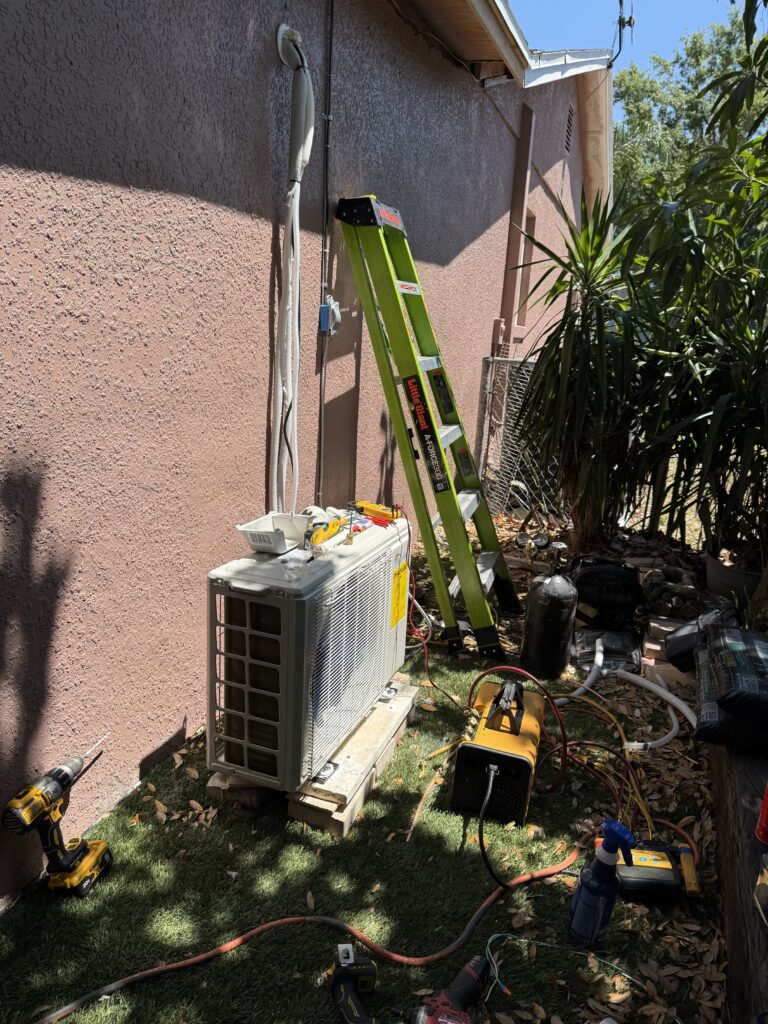
Auxiliary heat, often seen on your thermostat as “Aux Heat” or “Em Heat,” relies on the electric resistance strips mentioned earlier. These strips are one hundred percent efficient in terms of physics, meaning they convert electricity directly to heat without waste. However, compared to the heat pump, which can be three hundred percent efficient because it moves heat rather than creating it, the strips are incredibly expensive to operate. Running your home entirely on heat strips is like trying to heat your house with a giant hair dryer. It uses a massive amount of amperage.
If your system is not ready for the cold, it may rely on these strips far too often. A dirty outdoor coil, a low refrigerant charge, or a failing compressor can all cripple the heat pump’s ability to function. The system compensates by running the expensive backup heat constantly to maintain the temperature. You might be warm, but your electric meter is spinning wildly. Being ready for a cold snap means ensuring that your heat pump is operating at peak efficiency so that it handles the bulk of the heating load. The auxiliary heat should only be a temporary assist, not the primary source of warmth. Regular maintenance ensures the heat pump is doing its job, saving you potentially hundreds of dollars in utility costs over a single winter season.
The Phenomenon of Defrost Mode
There is perhaps no visual more alarming to a homeowner during a freeze than looking out the window and seeing their air conditioner smoking. This usually happens early in the morning when the air is coldest. You look at the outdoor unit, and thick white plumes are rising from the top fan. Panic sets in. You assume the motor has burned out or the compressor has caught fire. You rush to turn off the breaker. In reality, you have likely just interrupted a perfectly normal and necessary function of your system called the defrost cycle.
When a heat pump is running in heating mode, the outdoor coil becomes very cold because it is absorbing heat from the air. On a humid Florida morning where the temperature is in the thirties or forties, moisture from the air condenses on this cold coil and freezes. If this ice were allowed to build up, it would turn the unit into a block of ice, blocking airflow and stopping the heat transfer. To prevent this, the system has sensors that detect frost accumulation. When frost is detected, the unit shifts into defrost mode.
Want to know 3 signs it’s time to schedule service? Click here for more information.
During defrost, the system temporarily switches back to cooling mode. This sends hot refrigerant to the outdoor coil to melt the ice. To prevent cold air from blowing into your house during this process, the outdoor fan stops spinning, and the indoor auxiliary heat strips turn on. The “smoke” you see is actually steam. It is the ice melting and evaporating off the hot coil. It is a sign that your system is working correctly. However, if a system is not maintained, the defrost controls can fail. If the defrost board is bad or the sensors are faulty, the unit will not defrost. It will continue to run until it is encased in a solid block of ice, which can crush the coil fins and destroy the fan blades. Being ready for winter means having a technician verify that the defrost cycle initiates and terminates correctly so you don’t mistake steam for smoke or end up with a frozen block of metal in your backyard.
Thermostats and Sensor Calibration
The brain of your HVAC system is the thermostat. It is the command center that tells the equipment what to do and when to do it. Yet, it is often the most overlooked part of winter preparation. We frequently see service calls during cold snaps that turn out to be simple thermostat issues rather than mechanical failures. The most basic issue is power. Many thermostats rely on batteries. If those batteries are weak, the signal to the heating relay might fail, leaving you with a silent system. Cold weather can drain weak batteries faster, pushing them over the edge right when you need the system most.
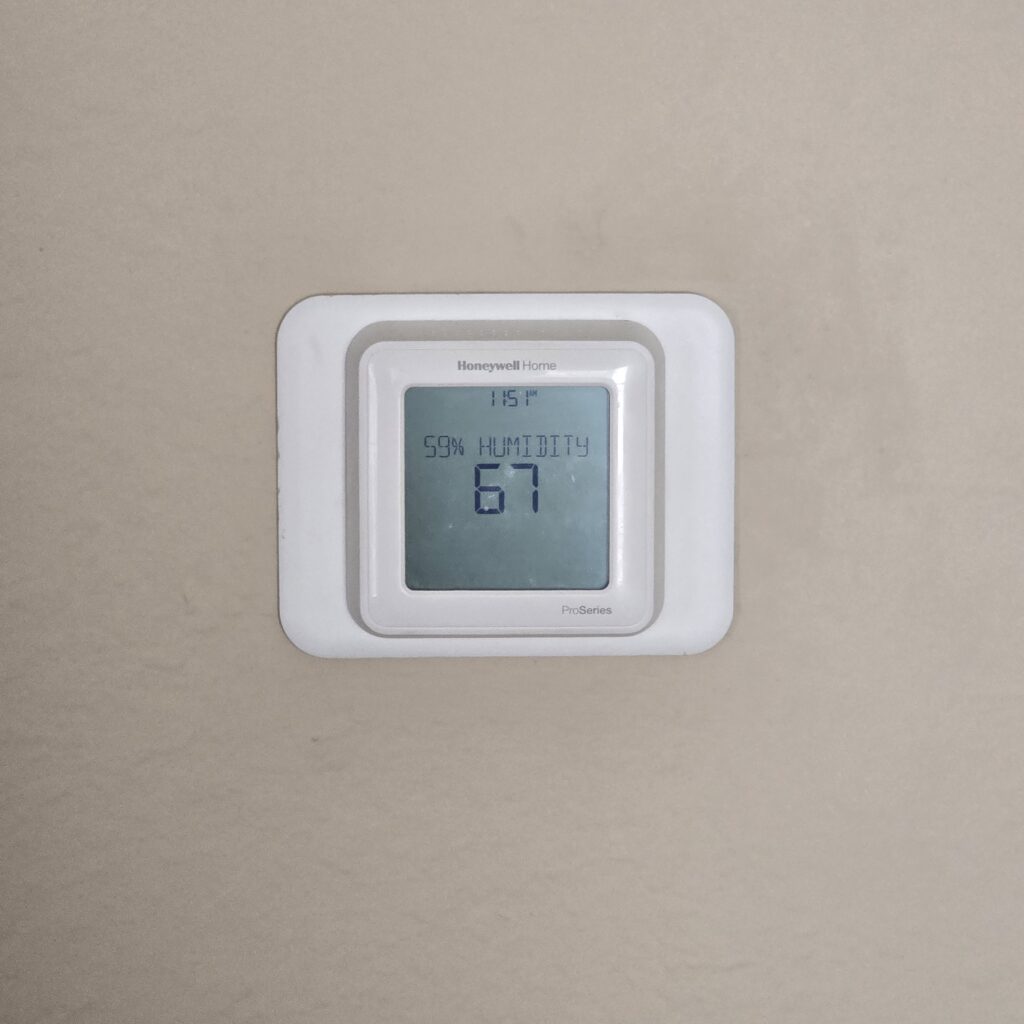
Beyond batteries, calibration is a subtle but significant issue. A thermostat measures the ambient temperature of the room. If it is located near a drafty window, a heat generating appliance, or in a hallway with poor airflow, it can get a false reading. In the winter, this discrepancy becomes more noticeable. If the thermostat thinks it is seventy two degrees but the room is actually sixty eight, the heat will never turn on, and you will be uncomfortable. Conversely, if it reads colder than the room actually is, the heat will run constantly, wasting energy and overheating the house.
Modern smart thermostats add another layer of complexity. They have settings for “heat pump balance” or “compressor lockout.” These settings determine at what outdoor temperature the system should abandon the heat pump and switch to the backup auxiliary heat. If these settings are configured incorrectly during installation, you might be locking out your efficient heat pump when it is forty five degrees outside, forcing the expensive heat strips to run unnecessarily. A system readiness check involves reviewing these digital settings. It ensures that the thermostat is not just turning the unit on, but that it is managing the complex dance between the heat pump and the electric heat in the most efficient way possible.
The Florida winter is deceptive. It lulls us into a false sense of security with weeks of beautiful, mild weather, only to ambush us with a sudden freeze that tests the limits of our homes. The question of whether your system is ready is not one you want to answer at three in the morning when you are shivering under a pile of blankets. The “burning dust” smell, the stuck reversing valve, the skyrocketing electric bill, and the confusion over steam versus smoke are all preventable scenarios. They are symptoms of a system that was taken for granted.
Preparation is the antidote to these winter woes. Treating your HVAC system with the same level of care in the winter as you do in the summer is the key to consistent comfort. It involves understanding the unique mechanics of heat pumps and recognizing the signs of normal operation versus failure. By scheduling a professional inspection with Legion Cooling before the temperature drops, you are ensuring that your reversing valve is free, your coils are clean, and your backup heat is ready to assist without bankrupting you. You are choosing peace of mind over panic, ensuring that when the cold snap finally arrives, your home remains the warm, inviting sanctuary you deserve.