
Common HVAC Problems We See in Winter
Winter usually arrives in Central Florida with little warning. We spend the better part of the year focused entirely on keeping our homes cool and battling the relentless humidity. The air conditioner is the most important appliance in the house for ten months out of the twelve. Because of this, we tend to take the heating function of our HVAC system for granted. It sits dormant in the background, collecting dust and waiting for its turn. When the temperature finally drops into the forties or fifties, homeowners across Winter Garden flip the switch on their thermostats expecting instant warmth. This is the precise moment when problems often reveal themselves.
The sudden transition from long periods of inactivity to high demand is hard on mechanical equipment. Your heating system is being asked to perform instantly after sitting idle for nearly a year. This shock to the system often exposes weak points in the electrical components or mechanical parts that have seized up from lack of use. For the team at Legion Cooling, the first cold snap of the year is always the busiest. We see the same specific issues crop up time and time again. Understanding these common winter HVAC problems can help you troubleshoot minor issues on your own and know when it is time to call in a professional to restore comfort to your home.
The Burning Smell Panic
One of the most frequent calls we receive on the first cold morning of the year involves a frantic homeowner reporting a burning smell. It is an alarming experience. You turn on the heat to warm up your family, and within minutes, the house smells like smoke. Your first instinct is often to turn the system off immediately and worry that something is on fire. In the vast majority of cases in Winter Garden, this smell is actually a normal, albeit unpleasant, result of the system’s design.
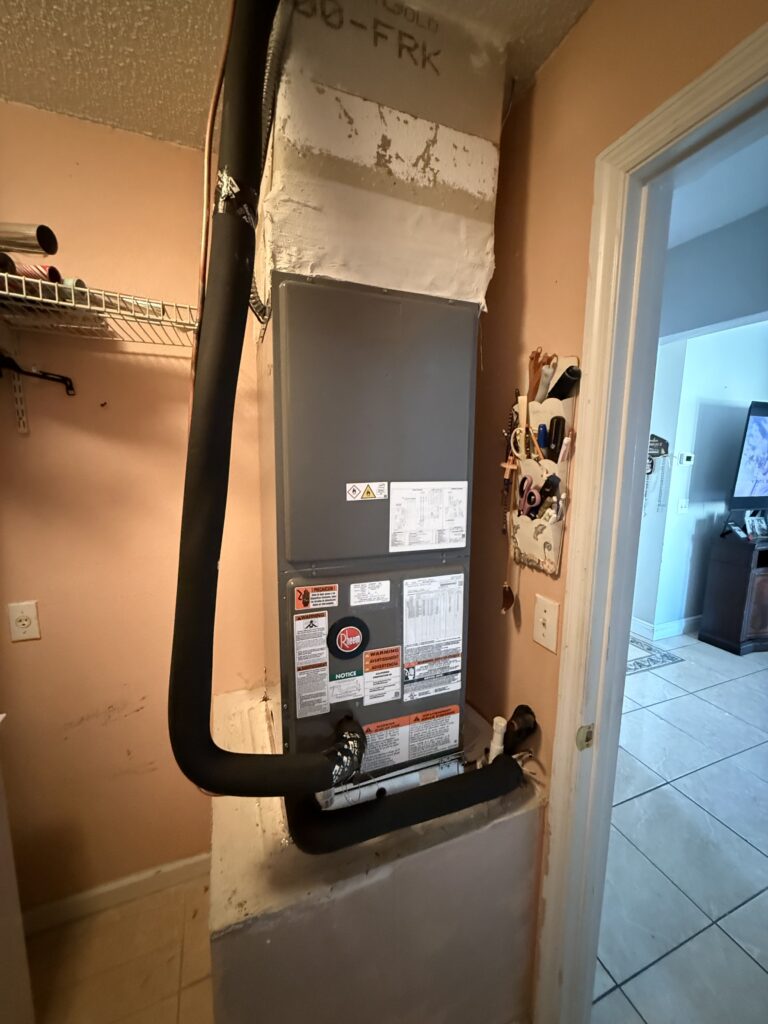
Most homes in our area utilize electric heat strips as either their primary heat source or as supplemental heat for a heat pump. These strips are essentially large heating coils, similar to the elements inside a toaster. Since they have not been used since last winter, they have accumulated a significant layer of dust, lint, and pet dander. When you energize them for the first time, they get incredibly hot very quickly. The smell you are noticing is simply that layer of dust burning off the coils. It can be thick enough to create a slight haze or even set off a sensitive smoke detector, but it is generally harmless.
This smell should dissipate within twenty to forty five minutes of continuous operation. We recommend opening a few windows and letting the system run its course to clear the air. However, it is important to distinguish this dusty smell from the sharp, chemical odor of burning plastic or electrical insulation. If the smell persists for more than an hour, or if it smells distinctly like melting wire, you have a legitimate electrical problem. In that case, you should shut the system down immediately and call us for an inspection.
The Case of the Stuck Reversing Valve
The heat pump is the standard for heating and cooling in Florida because it is efficient and handles our mild climate perfectly. It works by moving heat rather than generating it. In the summer, it moves heat out. In the winter, it moves heat in. The component responsible for switching the direction of this heat transfer is the reversing valve. It is a mechanical slide valve located in your outdoor condenser unit.
Because we spend so much time in cooling mode, this valve sits in one position for months on end. When you finally ask for heat, the solenoid activates and tries to slide the valve to the other side. Unfortunately, corrosion, debris, or simply the friction of disuse can cause the valve to stick. If the valve fails to shift, the system will continue to operate in cooling mode. The outdoor unit will run, the indoor fan will blow, but the air coming out of your vents will be cold. You are essentially air conditioning your house when you are trying to heat it.
Need a furnace repair? Click here for our furnace repair service.
A stuck reversing valve is a mechanical failure that requires professional intervention. Sometimes the valve can be freed, but often the solenoid needs to be replaced or the entire valve assembly needs to be swapped out. This is a complex repair involving the refrigerant system. It is one of the most common reasons a heat pump fails to heat during the first cold snap, and it is a prime example of why regular maintenance is so vital. A technician can test the valve during a routine tune up to ensure it shifts smoothly before you actually need the heat.
Heat Pump Defrost Mode Confusion
Heat pumps have a unique operational quirk that often confuses homeowners who are not used to them. When the outdoor temperature drops below roughly forty degrees, the moisture in the air can freeze onto the outdoor coil. Since the heat pump is trying to absorb heat from the outside air, this ice acts as an insulator and prevents the system from working. To fix this, the system enters a defrost cycle.
During a defrost cycle, the unit temporarily switches back to cooling mode to heat up the outdoor coil and melt the ice. You might see the outdoor fan stop spinning while the compressor continues to run. You might also see steam rising from the outdoor unit. This looks remarkably like smoke, and it often leads to calls from worried homeowners thinking their AC unit is on fire.
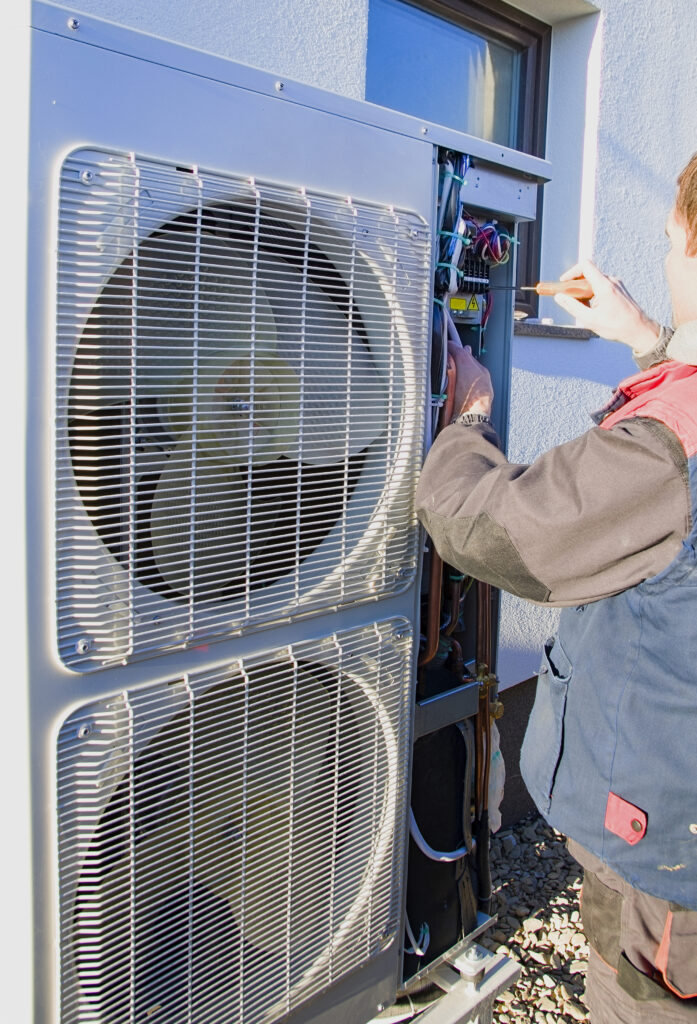
This is a normal function of the unit. It is designed to do this. However, problems arise when the defrost cycle fails to initiate or complete. If you look outside and see your unit completely encased in a block of ice, that is not normal. A system that cannot defrost itself will eventually stop heating entirely and can suffer severe damage to the fan blades and compressor. If the ice is not melting away after a short period, it indicates a problem with the defrost board, the sensors, or the refrigerant levels.
Failure of Electric Heat Strips
While the heat pump does the heavy lifting, the electric heat strips are the backup. They kick in when the temperature drops too low for the heat pump to keep up, or when you want to raise the temperature in the house quickly. These strips are high voltage components that draw a lot of power. Because of the high electrical load, they are prone to specific types of failure.
The constant heating and cooling of the wires connecting these strips causes expansion and contraction. Over time, this movement can loosen the electrical connections. A loose connection increases resistance, which generates excess heat at the terminal. This can cause the wire to melt, the terminal to burn off, or the sequencer (the switch that controls the strips) to fail.
If your heat strips fail, you might notice that the air coming from the vents is lukewarm rather than warm. The heat pump might be running, but without the supplemental heat, it cannot reach your set temperature. Alternatively, you might see your energy bill skyrocket. If the heat pump fails and the system relies 100% on the heat strips, your system essentially becomes a giant electric furnace. This is the most expensive way to heat a home. Routine maintenance checks the amperage draw of these strips to ensure they are engaging correctly and not costing you a fortune in wasted electricity.
The Uneven Heating Challenge
Winter often reveals flaws in your ductwork and insulation that go unnoticed during the summer. Heat behaves differently than cool air. Hot air rises, while cool air sinks. If your ductwork has leaks, or if your system is not balanced correctly, you will feel it significantly more on cold days. You might find that your upstairs bedrooms are roasting while the downstairs living room remains chilly.
Want to know the signs it’s time to schedule furnace maintenance? Click here for more information.
Drafty windows and poor insulation become obvious when there is a significant temperature difference between the inside and the outside. Your HVAC system has to work harder to overcome these thermal losses. If your system runs constantly but the house never feels evenly warm, the issue might not be the mechanical equipment itself. It could be a breach in the ductwork in your attic.
Leaky ducts in the attic can pull in cold outdoor air and mix it with the heated air before it reaches your living space. This dilutes the heat and makes the system run longer to satisfy the thermostat. Sealing these leaks is one of the most effective ways to improve winter comfort and efficiency. It ensures that the heat you are paying for actually ends up in the rooms where you need it.
Clogged Filters Restricting Airflow
The air filter is the most basic, yet most critical, component of the entire system. In the winter, we tend to close up the house tightly. This means the system is recirculating the same air over and over. Dust, holiday decorations, dry skin, and pet dander accumulate quickly on the filter. If the filter becomes clogged, it strangles the airflow.
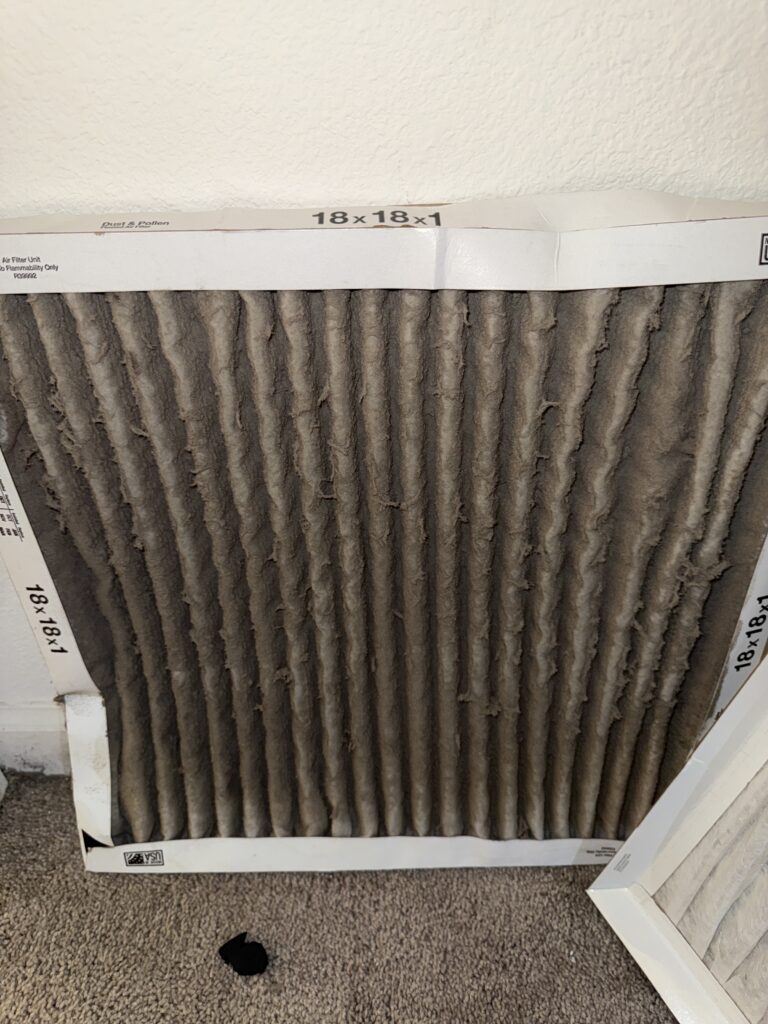
For a heating system, restricted airflow is dangerous. In a heat pump, it can cause the indoor coil to overheat or the outdoor unit to freeze up. In a system with electric heat strips, low airflow can cause the elements to get dangerously hot. The system has safety limit switches designed to shut the unit down if it overheats. This results in the system short cycling. It turns on for a few minutes, gets too hot, shuts down, cools off, and tries again.
This constant on and off cycle puts immense stress on the motors and the compressor. It also fails to heat the home effectively. Checking your filter monthly is the easiest way to prevent this. A clean filter allows the air to move freely, keeping the components within their safe operating temperature range and ensuring the warm air is distributed effectively throughout the home.
Thermostat Batteries and Calibration
Sometimes the problem is not with the heating system at all, but with the device controlling it. We often see service calls that turn out to be dead batteries in the thermostat. If the screen is blank or fading, the thermostat cannot send the signal to the relay to turn on the heat. It seems like a major system failure, but the fix is a couple of AA batteries.
Calibration can also drift over time. You might set the thermostat to seventy two degrees, but the room feels like sixty eight. If the thermostat is reading the temperature incorrectly, it will not run the heat long enough to make you comfortable. Older thermostats with mercury switches are particularly prone to being knocked out of level, which affects their accuracy. Modern digital thermostats are more reliable but can still fail. Replacing an old, unreliable thermostat with a new smart thermostat can solve these phantom issues and give you better control over your comfort.
Winter in Winter Garden may be short, but it brings a specific set of challenges to your HVAC system. The transition from cooling to heating is a stress test for your equipment. From the alarming smell of burning dust to the mechanical failure of a stuck reversing valve, these problems are often the result of the system sitting idle for so long. Many of these issues can be prevented with a simple fall tune up. Having a professional clean the coils, check the electrical connections, and verify the operation of the reversing valve ensures that your system is ready to work when you need it.
If you do encounter these problems, do not panic. Understanding what is happening removes the fear and helps you make the right decision. Whether it is simply changing a filter, waiting for a defrost cycle to finish, or calling Legion Cooling for a professional repair, you have the knowledge to handle the situation. We are here to help you navigate the colder days and ensure your home remains the comfortable sanctuary you expect it to be, no matter what the Florida weather decides to do.