
How Heat Pumps Work in Warm Climates
In Winter Garden, we are intimately familiar with the concept of air conditioning. Our survival through the long, humid Florida summer depends entirely on the efficient operation of our cooling systems. When people hear the term “heat pump,” they often associate it with places that experience brutal, freezing winters. They imagine a machine struggling to warm a drafty house in a blizzard. This perception is completely understandable, yet it entirely misses the point of how and why the heat pump is perhaps the single most suitable HVAC system for the Central Florida climate.
A heat pump is simply a two-way air conditioner. It does the job of an air conditioner in the summer, and it reverses that process to provide heat in the winter. Its genius lies in the fact that it does not generate heat; it moves it. Understanding this core principle is key to appreciating why heat pumps are not only effective in warm climates like ours, but are also far more energy efficient than traditional heating systems. For homeowners in Winter Garden, embracing the heat pump means embracing year round comfort with significantly reduced energy consumption, making it the workhorse of modern Florida HVAC.
The Basic Principle of Heat Transfer
To understand how a heat pump works in a warm climate, we must first accept a fundamental law of thermodynamics: heat always moves from a warmer place to a cooler place. When you touch a cold object, the sensation of cold is actually your hand’s heat leaving your body and transferring into the object. Traditional heating methods, like a gas furnace or an electric resistance heater, rely on combustion or an electrical current to create heat. This is inefficient because it requires a massive amount of energy input to generate a comparable amount of heat output.
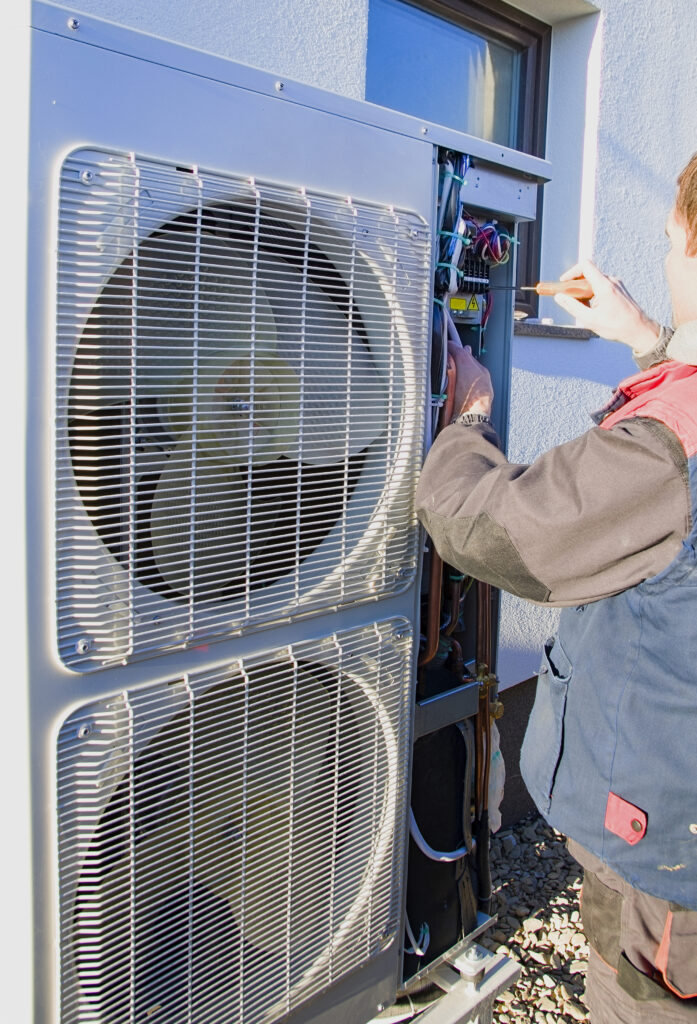
A heat pump operates using the same refrigeration cycle as your air conditioner. The system contains a substance called refrigerant, which has the ability to absorb and release heat as it changes between a liquid and a gas. The essential difference between a heat pump and a conventional air conditioner is a component called the reversing valve. This simple valve allows the system to swap the functions of the two coils: the indoor coil and the outdoor coil.
In the summer, the heat pump is in cooling mode. The indoor coil absorbs heat from your house air and carries it outside. In the winter, the reversing valve engages. Suddenly, the outdoor coil, which was just dumping heat, becomes the absorber. It starts pulling heat from the outdoor air and bringing it inside to be released by the indoor coil. It is a brilliant piece of mechanical engineering that simply moves existing energy, rather than creating new energy, which is why it is so highly rated for efficiency.
The Heat Pump in Cooling Mode
For most of the year in Winter Garden, the heat pump functions exclusively as an air conditioner. In this mode, its operation is identical to any standard AC unit, and it is here that its proficiency in a warm climate truly shines. The process is a continuous loop designed to remove both heat and humidity from your indoor environment.
The warm, humid air from your house is drawn into the return ducts and passes over the indoor coil, or evaporator coil. The refrigerant inside this coil is cold. As the warm air meets the cold surface, the refrigerant absorbs the heat, turning the refrigerant into a low pressure vapor. Crucially, the air’s humidity condenses into water droplets on the cold coil surface, which then drips into the condensate drain pan and is channeled away from your home. This dehumidification process is absolutely essential in Central Florida, as it is the removal of moisture that makes the air feel truly comfortable, not just cold.
Need a heat pump installed? Click here for our heat pump installation service.
The refrigerant vapor, now carrying a significant amount of your home’s heat, travels to the outdoor unit, or condenser. The compressor squeezes this vapor, dramatically increasing its pressure and temperature. This superheated, high pressure vapor then flows through the outdoor coil. Since its temperature is now much higher than the outdoor ambient air temperature, the heat moves outward, transferring to the cooler outdoor air. As the heat is released, the refrigerant cools down and turns back into a liquid. This liquid then flows back toward the indoor unit, ready to absorb more heat, completing the cycle. The efficiency of this process is what keeps our electric bills manageable even when the system is running twelve hours a day.
The Heat Pump in Heating Mode
The true misunderstanding about heat pumps in warm climates relates to their heating ability. People assume that if the outdoor temperature is, say, forty degrees, there is no heat left to pump. This is scientifically incorrect. “Heat” is a form of energy, and absolute zero, the point at which all thermal energy is absent, is $-459.67^{\circ}F$. Since the outdoor air in Winter Garden never drops anywhere close to that temperature, there is always plenty of thermal energy available to extract.
When you switch the thermostat to “heat,” the reversing valve is activated. It simply changes the direction of the refrigerant flow. The outdoor coil, which was just acting as a condenser to dump heat, now becomes the evaporator. It absorbs the low grade thermal energy from the outdoor air. The refrigerant, which is colder than the outdoor air, is able to pull this heat energy in.
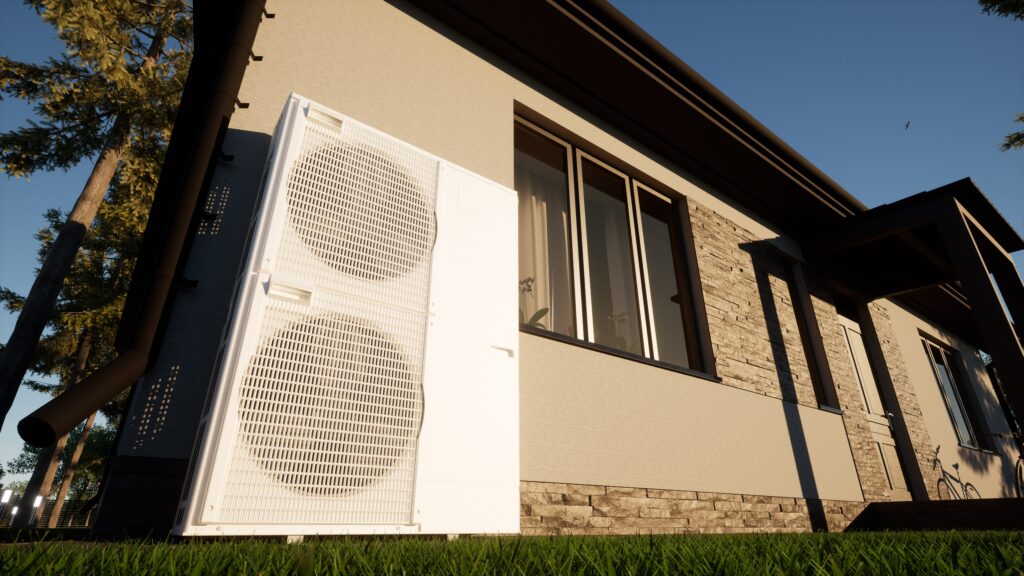
The refrigerant, now warmed, flows back inside to the compressor. The compressor, performing its critical function, pressurizes the refrigerant, concentrating the heat and raising the temperature significantly. This hot, high pressure vapor then flows into the indoor coil, which now acts as the condenser. The indoor air is circulated over this hot coil, and the heat is transferred into your home’s air supply. The now cooled refrigerant returns outside to absorb more heat.
This process is why a heat pump is so energy efficient. It uses one unit of electricity to run the compressor, fan motors, and controls, but it delivers three to four units of thermal energy into your home. This is often described as a 300% to 400% efficiency rating, something no electric resistance heater or furnace can touch. Even on our rare cool days, this method of moving existing heat is far superior to trying to create heat from scratch.
Auxiliary Heat and the Balance Point
While the heat pump is extremely efficient for the mild cold snaps we experience in Winter Garden, there are times when it needs a boost. This is where auxiliary heat, often called “aux heat” or “emergency heat,” comes into play. For homes in very cold climates, the heat pump eventually hits a “balance point,” a temperature, usually around thirty five to forty degrees, below which the system cannot extract enough heat from the outdoor air to satisfy the thermostat quickly.
In Florida, we rarely hit the balance point, but when the system first turns on and the indoor temperature is very low, the thermostat may call for auxiliary heat to quickly raise the temperature. Auxiliary heat is typically provided by electric resistance coils, essentially high powered toaster elements, built into the air handler. These coils generate immediate, intense heat.
Want to know the signs it’s time to schedule service? Click here for more information.
It is important for homeowners to understand that auxiliary heat is an electric resistance system, meaning it is highly inefficient, operating at 100% efficiency, or a 1:1 ratio. It costs significantly more to run than the heat pump itself. This is why a technician from Legion Cooling will always ensure your heat pump is operating correctly. If your system is constantly running on aux heat, it usually means the main heat pump function is failing, or the system is operating poorly, and this will be reflected in a massive spike in your electric bill. The primary heating source should always be the heat pump, with the auxiliary heat used only for supplemental, short term bursts of warmth.
Benefits in a Warm Climate Setting
The advantages of utilizing heat pump technology in a warm climate like ours extend far beyond just energy efficiency. They are practical, mechanical, and economic.
First, the simple fact that a heat pump is a single, integrated system means less wear and tear on components that have to be separately housed. You have one outdoor unit and one indoor unit doing the work of two separate systems. Second, the constant, year round operation leads to better overall maintenance habits. Since the system is essential for nine months of cooling, homeowners are naturally inclined to maintain it, which indirectly benefits the heating function when it is finally needed.
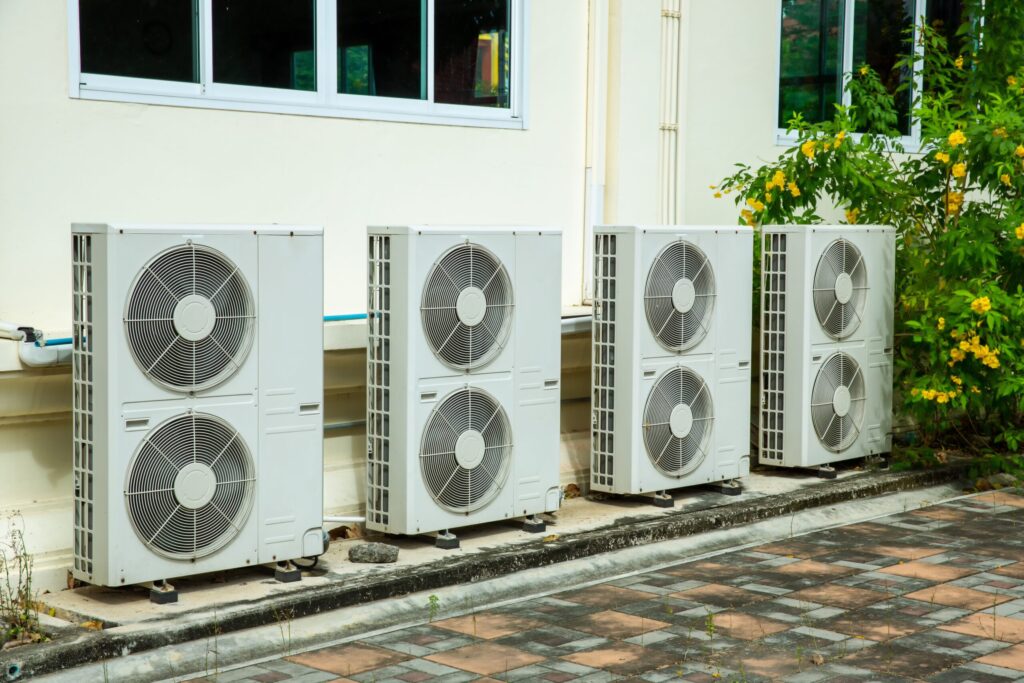
Economically, the efficiency of the heat pump is unmatched. For every dollar you spend on electricity to run your heat pump, you receive far more than a dollar’s worth of heating or cooling power. This dramatically lowers the total cost of ownership over the lifespan of the unit compared to systems that rely on separate heating and cooling components, particularly those that utilize expensive fossil fuels. The initial cost of installation is often higher than a simple AC system, but the long term energy savings quickly recoup this difference.
Finally, the inherent design of the heat pump as a primary cooling system means that it is perfectly sized and calibrated for the extreme cooling demands of a Florida summer. You are not buying a furnace that is oversized for your heating needs and then pairing it with an AC that is just okay. You are getting a system optimized for cooling that simply reverses its function to provide efficient heat when you need it.
The heat pump is the ideal HVAC solution for homeowners in Winter Garden. It is a dual purpose marvel that excels in its primary role as a powerful air conditioner, moving heat out of your home with remarkable efficiency during our relentless summer. Its secondary role as a heater is equally brilliant, using the same principle of moving, rather than creating, heat to provide comfortable warmth during our cooler months.
By understanding the basic physics of heat transfer and the simple function of the reversing valve, you can appreciate that a heat pump is not struggling to heat a cold house; it is simply doing its job as a supremely efficient thermal energy transporter. It keeps your home cool, dry, and comfortable for the vast majority of the year, and it does so while saving you money on your utility bills. If you are considering a new HVAC installation or upgrading an older system, embracing the heat pump means choosing a technology perfectly suited to the unique climate demands of Central Florida.