
Repair or Replace? How to Decide on an Older System
The moment your air conditioner stops working on a hot afternoon in Winter Garden is one of immediate stress. The heat builds up rapidly inside the home, and the comfort you rely on is suddenly gone. You call a professional technician, hoping for a quick and inexpensive fix. Sometimes, the news is good. It might be a simple capacitor or a clogged drain line. Other times, the news is complicated. The technician tells you that a major component has failed, or that the system is leaking refrigerant. You are then faced with one of the most difficult questions a homeowner has to answer. Should you pay for the repair to keep the old system running, or is it time to invest in a brand new replacement?
This decision is rarely black and white. It involves balancing your immediate budget against long term costs, potential energy savings, and the reliability of your home comfort. It is a financial calculation mixed with a gamble on how much longer the existing equipment can last. Making the wrong choice can leave you throwing good money after bad, or it can mean spending thousands of dollars prematurely. Understanding the specific factors that influence this decision, particularly in the demanding climate of Central Florida, is essential for making a choice that protects your wallet and your peace of mind.
The Age of Your System Matters Significantly
The single most critical factor in this equation is the age of your current HVAC unit. In the real estate and home maintenance world, you will often hear that an air conditioner should last fifteen to twenty years. While that might be true in mild climates like Ohio or Pennsylvania, it is rarely the case in Florida. Our air conditioners run for two to three thousand hours a year, which is double or triple the national average. They fight against intense heat, high humidity, and often salt in the air. This grueling workload accelerates the aging process.
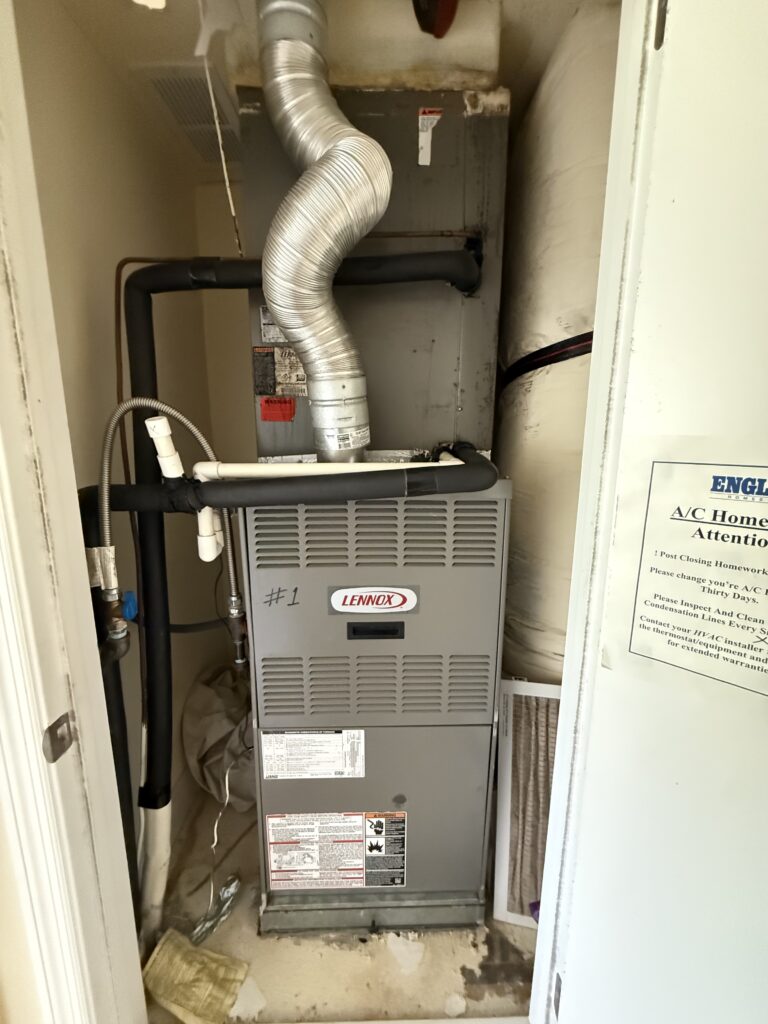
In Winter Garden, an air conditioner that is ten years old is considered a senior citizen. It has likely performed the equivalent work of a twenty year old system in a northern state. If your system is under ten years old, it usually makes sense to repair it, unless the cost is catastrophic. The parts are likely still under warranty, and the unit has plenty of life left in it. If the system is over ten to twelve years old, the logic shifts. At this age, major components like the compressor and the condenser coils are reaching the end of their design life.
Putting a significant amount of money into a twelve year old system is risky. You might fix the compressor today, but the fan motor could fail next month, or the evaporator coil could start leaking the month after that. You end up in a cycle of endless repairs on a machine that is inevitably dying. When a system reaches this age bracket, any major repair should be viewed with extreme skepticism. It is often more financially prudent to put that repair money toward a down payment on a new, reliable system that will last for the next decade.
The Fifty Percent Rule of Thumb
When you are staring at a repair quote, it helps to have a mathematical framework to guide your decision. The HVAC industry relies on a guideline known as the fifty percent rule. The concept is simple and effective. You take the cost of the proposed repair and compare it to the value of the system. If the cost of the repair is more than fifty percent of the cost of a new system, or more than fifty percent of the current market value of your existing unit, you should replace it.
Need a furnace repair? Click here for our furnace repair service.
This rule prevents you from overinvesting in a depreciating asset. For example, if you have an older system that is worth maybe five hundred dollars in working condition, spending six hundred dollars to fix it does not make financial sense. You are paying more than the asset is worth. Similarly, if a new system costs six thousand dollars and the repair is three thousand five hundred, the fifty percent rule suggests that replacement is the smarter option. The logic is that the new system buys you ten years of warranty and operation, whereas the repair only buys you a working system for an unknown, likely short, amount of time.
You can also use the multiplication rule. Multiply the age of the unit by the cost of the repair. If the total exceeds five thousand dollars, replacement is usually the better option. For example, a ten year old unit with a five hundred dollar repair equals five thousand. That is on the borderline. A twelve year old unit with a six hundred dollar repair equals seven thousand two hundred. That is a clear signal to replace. These formulas help remove the emotion from the decision and allow you to look at the situation as a pure investment calculation.
Reliability and the Frequency of Breakdowns
The financial cost of a repair is easy to see on a piece of paper. The cost of unreliability is harder to quantify but just as real. An older system that breaks down once might be a fluke. An older system that breaks down twice in one year is a pattern. If you find yourself on a first name basis with your repair technician because they are at your house every few months, your system is telling you it is done.
This phenomenon is often called the nickel and diming effect. You pay two hundred dollars for a contactor in March. Then you pay three hundred dollars for a fan motor in June. Then you pay four hundred dollars for a refrigerant recharge in August. Individually, these repairs seem manageable. They are certainly cheaper than a new unit. Collectively, however, you have spent nearly a thousand dollars in six months on a machine that is still old, loud, and inefficient. That money is gone, and you are still left with an unreliable system.
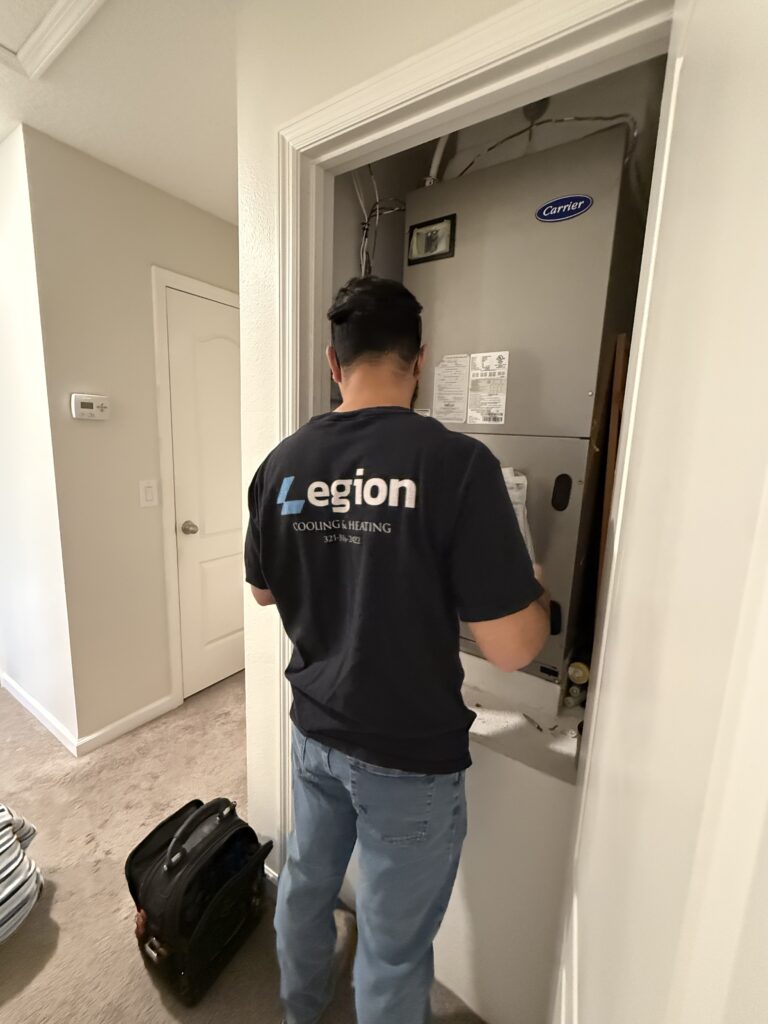
There is a significant value to peace of mind. Knowing that your air conditioner will turn on every time you adjust the thermostat is worth a lot, especially during the dog days of summer or when you have guests visiting. If you are constantly worried that the AC will quit before a holiday party or while you are on vacation, that anxiety is a cost. A new system eliminates that worry. It resets the clock on reliability. It allows you to trust your home comfort system again, which is a benefit that goes beyond simple dollars and cents.
Energy Efficiency and Monthly Savings
One of the hidden costs of keeping an older system running is the electricity it consumes. HVAC technology has moved fast in the last decade. The efficiency of a system is measured by its SEER rating, or Seasonal Energy Efficiency Ratio. A higher number means the unit uses less electricity to provide the same amount of cooling.
A system installed in Winter Garden fifteen years ago likely had a SEER rating of ten or twelve. Over time, as coils get dirty and motors wear out, that efficiency drops even lower. Today, the minimum standard for new units in our region is significantly higher, and high efficiency units can reach ratings well into the twenties. The difference in energy consumption between a SEER 10 unit and a SEER 16 unit is massive. It can translate to savings of thirty to fifty percent on your cooling costs.
This monthly saving is a crucial part of the replace versus repair calculation. If a new system lowers your electric bill by fifty or seventy five dollars a month, that adds up to hundreds of dollars a year. Over the ten year life of the system, the energy savings alone can pay for a significant portion of the installation cost. When you keep repairing an old unit, you are not just paying the mechanic. You are also paying the utility company a premium every single month for the privilege of running an inefficient machine. Upgrading is an investment that begins to pay you back immediately with every lower utility bill you receive.
The Phase Out of Older Refrigerants
The type of refrigerant your system uses is a major factor that can force your hand toward replacement. For decades, R-22, commonly known as Freon, was the standard refrigerant for residential air conditioners. However, due to environmental regulations regarding ozone depletion, R-22 has been phased out completely. It is no longer manufactured or imported into the United States.
If your older system uses R-22 and it develops a leak, you are in a difficult position. The only supply of R-22 available is recycled or stockpiled, and the price has skyrocketed. Recharging an old system with R-22 can cost nearly as much as a down payment on a new unit. Furthermore, putting that expensive gold dust into a leaking system is a gamble. If the leak opens up again, that money is lost instantly.
Want a HVAC tune up for winter? Click here for more information.
Newer systems use modern refrigerants like R-410A or the even newer A2L refrigerants that are becoming the standard. These are readily available, much cheaper, and better for the environment. If your current system relies on R-22, a major refrigerant related repair is almost always a death sentence for the unit. It simply does not make financial sense to invest heavily in a chemical that is obsolete. This is a hard reality for many homeowners, but knowing the refrigerant status of your unit is vital for making the right call.
Comfort and Humidity Control
We often focus on temperature, but comfort is about more than just the number on the thermostat. It is also about humidity control, airflow, and noise levels. Older systems, especially those that are wearing out, often struggle to remove humidity effectively. They might cool the air, but they leave the house feeling clammy and sticky. This is because the compressor is losing compression or the coils are not transferring heat as efficiently as they once did.
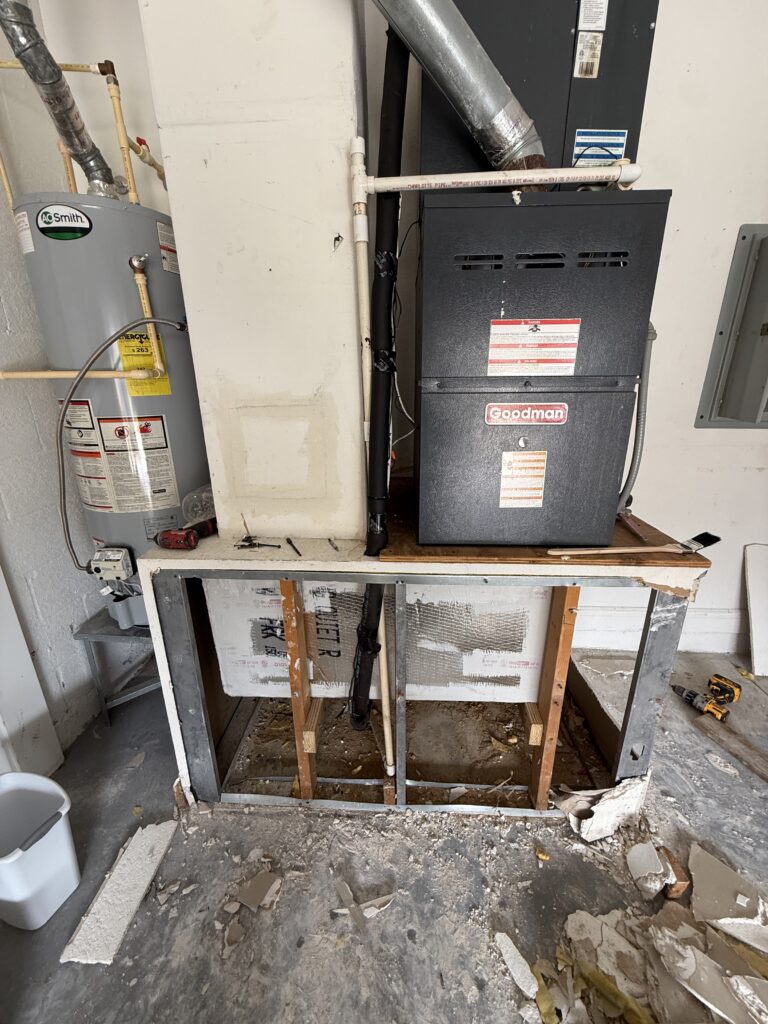
New HVAC systems offer advanced features that dramatically improve the quality of life in your home. Two stage or variable speed compressors can run at lower speeds for longer periods. This allows them to pull significantly more moisture out of the air without overcooling the space. The result is a home that feels crisp and comfortable at seventy five degrees, rather than muggy at seventy two.
Sound is another factor. As units age, bearings wear out, fan blades get out of balance, and compressors get louder. An old outdoor unit can sound like a freight train running in your backyard, disrupting your patio conversations or your sleep. Modern units are engineered to be whisper quiet. Some are so quiet you have to stand right next to them to tell if they are running. If your current system is failing to keep you comfortable or is becoming a noise nuisance, replacement offers an upgrade in lifestyle that a repair cannot provide.
Incentives and Warranty Protection
The final piece of the puzzle involves the financial incentives available for new systems. Governments and utility companies often offer tax credits and rebates to encourage homeowners to upgrade to high efficiency equipment. These incentives can shave thousands of dollars off the upfront cost of a replacement. When you factor these rebates into the equation, the price gap between a major repair and a new system narrows significantly.
Warranty coverage is also a major differentiator. When you pay for a repair, you typically get a very limited warranty. The labor might be warranted for thirty days, and the specific part might be covered for a year. If a different part breaks two months later, you are on your own. You are paying full price again.
A new system comes with a fresh factory warranty. This typically covers major parts for ten years. Many installation companies, including Legion Cooling, offer labor warranties as well. This provides a decade of protection. You know that if the compressor fails in year five, you are covered. You can budget for the future without the fear of unexpected expenses. This long term financial security is something that a repair on an old system simply cannot offer.
Deciding between repairing an aging air conditioner or replacing it is a significant financial choice. It requires you to look beyond the immediate price tag of the repair and consider the broader picture. You have to weigh the age of the unit, the frequency of its failures, its energy efficiency, and the type of refrigerant it uses. While a repair might seem like the cheaper option today, it often proves to be the more expensive path over the long run when you factor in high energy bills, repeat breakdowns, and the inevitable replacement that will still be needed shortly.
Sometimes the best repair is a replacement. Investing in a new, modern system solves the immediate problem while also lowering your monthly bills, improving your comfort, and providing the security of a long manufacturer’s warranty. It stops the cycle of uncertainty. If you are struggling with this decision, do not go it alone. The team at Legion Cooling is here to provide an honest, pressure free assessment of your system. We can help you run the numbers and understand the condition of your unit so you can make the choice that is right for your Winter Garden home.