
What’s the Best Thermostat for Florida Homes?
Living in Winter Garden means accepting that your air conditioner is the most hardworking appliance in your house. It battles the sweltering heat of July, the relentless humidity of August, and the unpredictable cold snaps of January. While we often obsess over the SEER rating of the outdoor unit or the cleanliness of the filters, we frequently overlook the device that controls it all. The thermostat is the brain of your HVAC system. It is the command center that dictates when the system runs, how long it runs, and how efficiently it operates. For years, this device was a simple beige box with a plastic dial. Today, the market is flooded with options ranging from basic digital models to sophisticated computers that learn your habits and speak to your other smart home devices.
Choosing the “best” thermostat for a Florida home is not as simple as picking the most expensive model on the shelf. The unique challenges of our subtropical climate mean that what works for a home in Denver or Chicago might not be ideal for a home in Central Florida. We have specific needs regarding humidity control, heat pump management, and cooling efficiency that require specific features. Finding the right fit involves understanding your own lifestyle, the technical capabilities of your existing HVAC equipment, and your goals for energy conservation. Whether you are a tech enthusiast who wants voice control or a traditionalist who just wants reliability, the right thermostat can significantly improve your comfort and lower your monthly electric bill.
The Critical Role of Humidity Management
In Florida, heat is only half the story. Humidity is the silent factor that dictates true comfort. You can set a standard thermostat to seventy two degrees, but if the relative humidity in the house is sixty five percent, you will still feel sticky and uncomfortable. You might find yourself turning the temperature down even further to try to get relief, which drives up your energy costs without solving the root problem. This is why the single most important feature for a Florida thermostat is the ability to monitor and manage humidity.
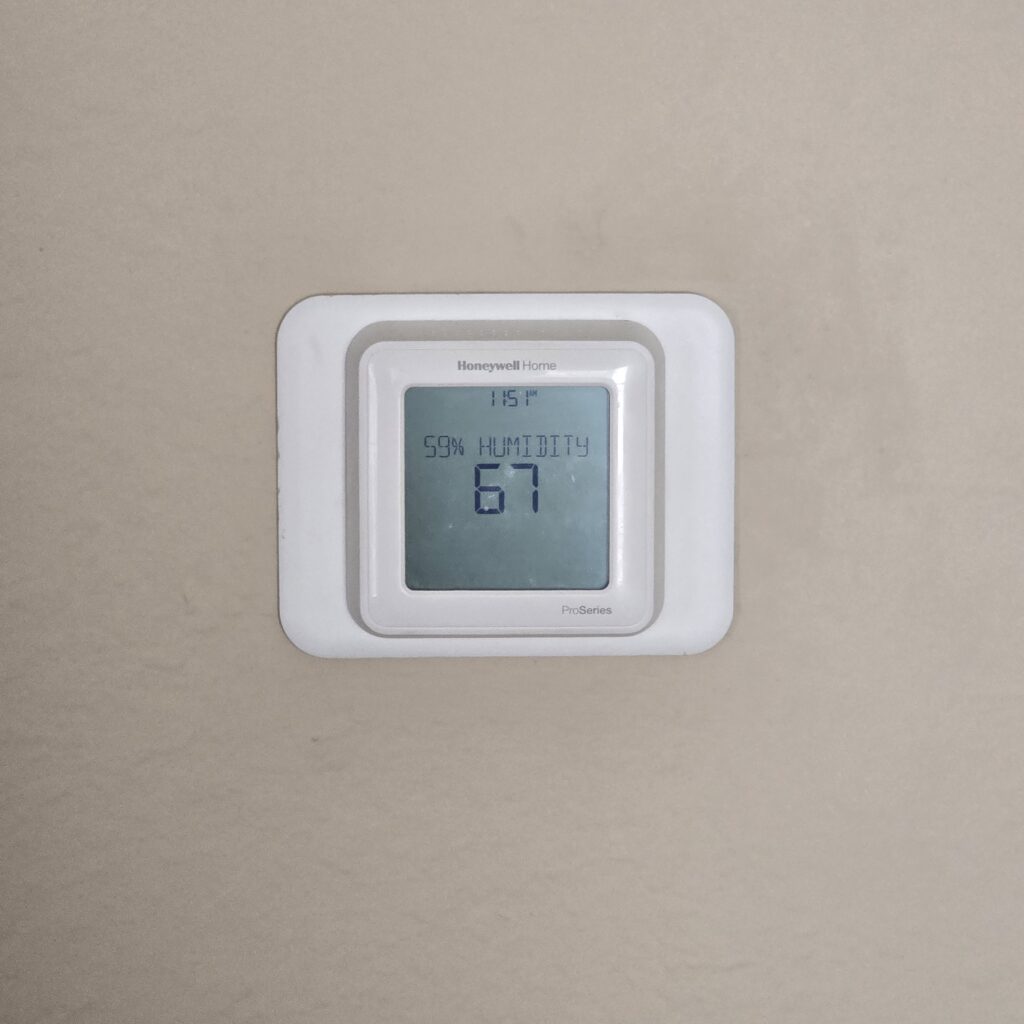
Standard thermostats measure temperature alone. They are blind to the moisture content of the air. The best thermostats for our climate come equipped with built in hygrometers. These sensors constantly read the humidity levels inside the home. When the humidity climbs above your preferred setting, typically around fifty percent, these advanced thermostats can take action. Some can trigger a dedicated dehumidification mode if your system is equipped with a variable speed blower. This slows the fan down, allowing the air to move more slowly over the cold coil, which extracts more water from the air without overcooling the space.
Even if you have a standard single stage system, a smart thermostat with humidity controls can utilize a feature often called “cool to dehumidify.” This allows the system to run the air conditioner a few degrees lower than your set temperature if the humidity is high. For example, if your target is seventy five degrees but the humidity is high, the system might cool to seventy three degrees to pull out that extra moisture. This trade off results in a home that feels significantly more comfortable at a higher set temperature, ultimately saving energy because dry air feels cooler on the skin than damp air.
Smart Features Versus Learning Algorithms
The terminology in the thermostat aisle can be confusing. There is a difference between a programmable thermostat and a smart thermostat. A programmable model allows you to set a rigid schedule—lower the temp at 5 PM, raise it at 8 AM. While this was a breakthrough twenty years ago, it often fails to match the dynamic lives of modern families. If you come home early, the house is hot. If you stay out late, you are cooling an empty house. This rigidity often leads homeowners to override the schedule, effectively turning it back into a manual thermostat.
Need a thermostat install? Click here for our thermostat installation service.
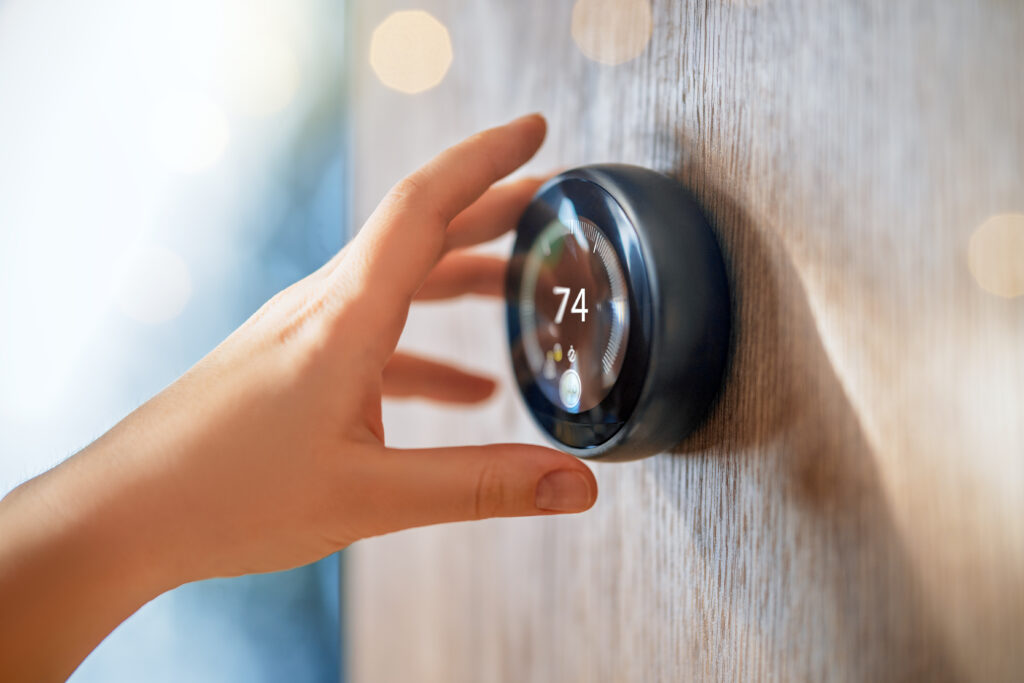
Smart thermostats solve this by connecting to the internet and using data to make decisions. The most famous of these are the “learning” thermostats. They observe your behavior over the first few weeks of installation. They notice that you turn the temperature down to seventy when you go to bed and turn it up to seventy six when you leave for work. Eventually, they stop waiting for your input and simply create a schedule that matches your actual life. This “set it and forget it” approach is perfect for homeowners who want efficiency without the hassle of programming.
However, for many active Winter Garden families, geofencing is the superior feature. Geofencing uses the GPS on your smartphone to track your location. When the last person in the household leaves a designated radius around the home, the thermostat automatically goes into “Away” mode, raising the temperature to save money. As soon as someone crosses back into the radius—perhaps turning off the turnpike onto your street—the system wakes up and begins cooling. This ensures that you never walk into a hot house, but you also never pay to cool an empty one. It adapts instantly to erratic schedules, sick days, and weekend trips without you ever touching the device.
Compatibility with Heat Pump Systems
The hardware in your walls dictates which thermostat you can use. In Central Florida, the vast majority of homes utilize heat pumps. A heat pump is a system that cools in the summer and reverses its operation to heat in the winter. It is highly efficient but requires a thermostat that understands how to manage its specific stages. This is particularly important when it comes to the “auxiliary” or “emergency” heat.
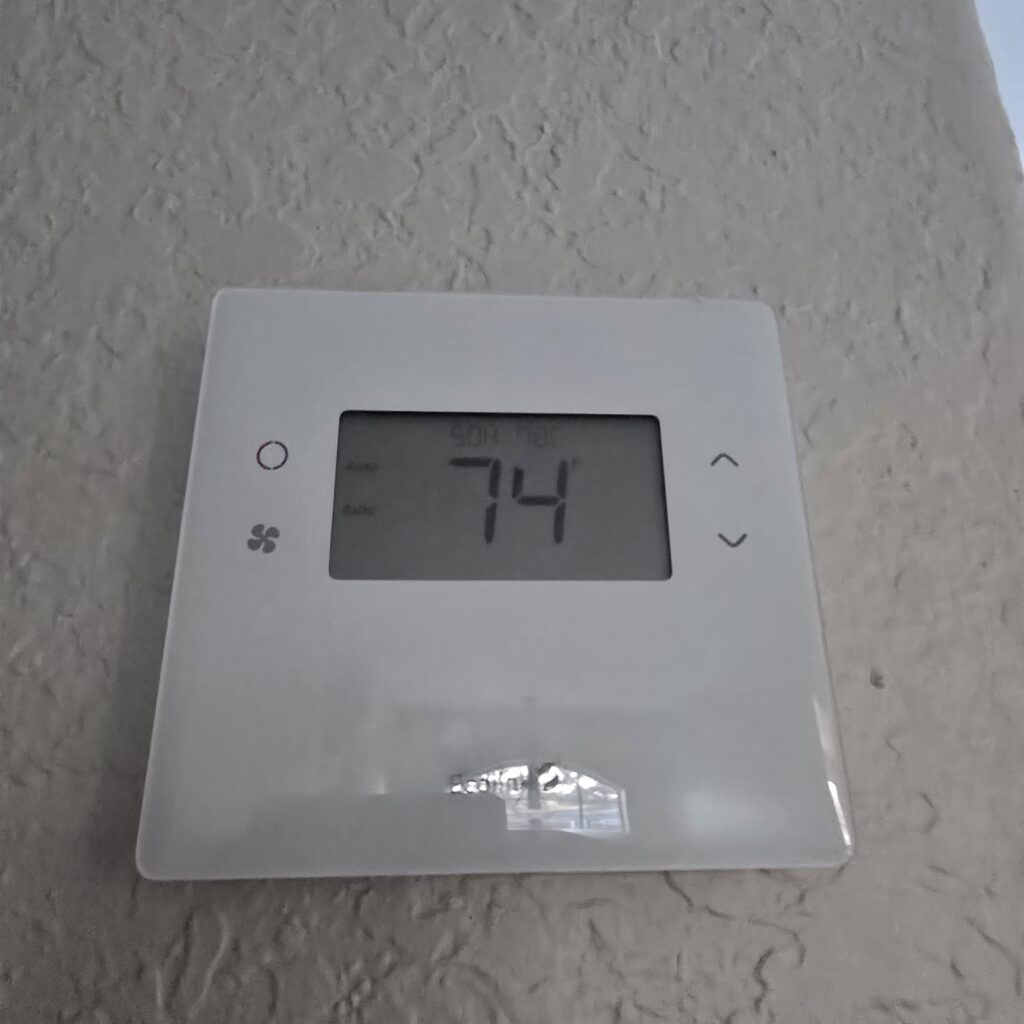
Heat pumps have a backup heating source, usually electric resistance strips, for when the weather gets too cold for the heat pump to handle efficiently. A cheap or improperly configured thermostat will often engage these expensive heat strips too early. If you simply bump the temperature up by three degrees on a chilly morning, a basic thermostat might panic and turn on the heat strips to get there fast. This is the most expensive way to heat your home.
A high quality thermostat designed for heat pumps will have algorithms that prioritize the efficient compressor heat. It will calculate how long it will take to reach the target temperature using just the heat pump. It will essentially “lock out” the expensive auxiliary heat unless it is absolutely necessary or the outdoor temperature drops below a specific threshold. This intelligent staging prevents your electric bill from skyrocketing during our brief winter cold snaps. Furthermore, if you have a modern two stage or variable capacity heat pump, you must have a thermostat capable of communicating with those stages. Using a basic single stage thermostat on a sophisticated variable speed unit is like putting a lawnmower engine in a sports car; you are crippling the performance you paid for.
The Power of Remote Access and Data
One of the most tangible benefits of upgrading to a Wi-Fi enabled thermostat is the ability to control your home from anywhere. This might seem like a novelty at first, but it quickly becomes an essential convenience. If you are on vacation and realize you forgot to adjust the AC, you can do it from the airport. If you are lying in bed and feel too cold, you can adjust the temperature from your phone without getting out from under the covers. For those who own vacation rentals or second homes, remote access is invaluable for monitoring the property and ensuring guests are not freezing the coils by setting the unit to sixty degrees.
Want to know the signs your thermostat is failing? Click here for more information.
Beyond control, these devices offer visibility. Many of the best thermostats provide detailed energy usage reports. They can show you exactly how many hours your system ran yesterday compared to last week or last year. They can highlight trends, showing you that your system runs twenty percent longer on days when the humidity is high. This data empowers you to make informed decisions about your settings and your home’s envelope.
This monitoring capability also extends to system health. Some advanced thermostats can listen to the sound of your system or monitor the electrical draw. If they detect that the system is taking longer to cool than usual, or that the furnace is short cycling, they can send an alert to your phone. This early warning system can be the difference between a scheduled repair visit and a catastrophic breakdown in the middle of a July weekend. Being able to catch a failing capacitor or a clogged filter before it kills the compressor is a financial lifesaver that justifies the cost of the thermostat upgrade.
Installation Considerations and the C-Wire
When you decide to upgrade, you will inevitably run into the technical discussion of the “C-wire” or common wire. Old mechanical thermostats did not need electrical power to operate; they were simple switches. Modern smart thermostats with color touchscreens and Wi-Fi radios require a constant stream of twenty four volt power. The C-wire provides this continuous path for power.
Many older homes in Winter Garden were not wired with a C-wire connected. When installing a new thermostat, you might pull the old one off the wall and find only four wires. Some “power stealing” thermostats claim to work without a C-wire by pulsing power through the equipment wires, but this can cause issues with sensitive control boards on some HVAC systems. It can lead to the system turning on and off randomly or the thermostat losing Wi-Fi connection.
For a reliable installation, it is almost always best to ensure a C-wire is present. If it is not, a professional installation is highly recommended. A technician from Legion Cooling can often repurpose an unused wire in the bundle or install an “add a wire” kit at the air handler to create the necessary path. In some cases, new wire must be pulled from the attic. While it is tempting to view a thermostat as a DIY plug and play gadget, incorrect wiring can blow the low voltage fuse on your air handler or, in worse scenarios, damage the transformer. Ensuring the device has clean, constant power is the only way to guarantee the features you bought will work reliably for years.
The search for the best thermostat is not about finding the one with the sleekest glass face or the coolest glowing ring. It is about finding the device that best acts as a bridge between your specific HVAC equipment and your family’s lifestyle. For Florida homeowners, this means prioritizing humidity control to combat our swampy climate and ensuring sophisticated management of heat pump staging to keep winter bills low. It means choosing a system that offers the flexibility of remote access and the intelligence of learning algorithms or geofencing to eliminate energy waste.
While the shelves at the hardware store are full of options, the true value comes from selecting a unit that is compatible with your home’s wiring and your system’s capabilities. Whether you choose a top of the line smart hub or a reliable, programmable workhorse, the upgrade is one of the most effective ways to modernize your home comfort. By investing in the right control system, you are not just buying a gadget; you are optimizing the most expensive system in your home. Legion Cooling is ready to help you navigate these choices, ensuring your new thermostat is installed correctly and configured to keep you cool and efficient through every season.