Why Winter Is the Best Time to Upgrade Your HVAC in Florida
In Florida, the seasons do not follow the traditional calendar found in the rest of the country. We do not have a white Christmas, and our leaves do not turn vibrant shades of orange and red in the fall. Instead, our year is defined by the intensity of the heat. We have the long, grueling stretch of summer that seems to last for nine months, and then we have the brief, pleasant respite of winter. For homeowners in Winter Garden, this rhythm dictates the life and death of their appliances, specifically the air conditioning system. Most people operate on a reactive basis. They wait for the system to fail completely before they even consider replacing it. This usually happens in the middle of July or August, the exact moment when the system is under the most stress and the heat is at its most unbearable level.
However, there is a smarter way to approach home comfort. The savvy homeowner recognizes that the cooler months offer a unique strategic window. Winter is not just a time to open the windows and enjoy the fresh air; it is the absolute best time to retire your aging HVAC system and install a modern, efficient replacement. While it might seem counterintuitive to think about cooling when the temperature is in the sixties, this period of calm provides advantages in pricing, scheduling, installation quality, and peace of mind that simply do not exist during the chaotic summer rush. Making the move now allows you to control the process rather than being controlled by an emergency, setting your home up for years of reliable comfort before the mercury begins its inevitable climb back into the nineties.
The Economic Advantage of Off Season Purchasing
The HVAC industry, like the travel industry, relies heavily on supply and demand. During the peak summer months, demand is at a fever pitch. Every air conditioning company in Central Florida is running at maximum capacity. Phones are ringing off the hook with desperate homeowners whose systems have failed in the sweltering heat. When demand is this high, the market tightens. Availability of specific equipment models can become scarce as inventory flies off the shelves. You might be forced to settle for a unit that is available right now rather than the one that is perfectly suited for your home, simply because you cannot wait two weeks for a shipment.
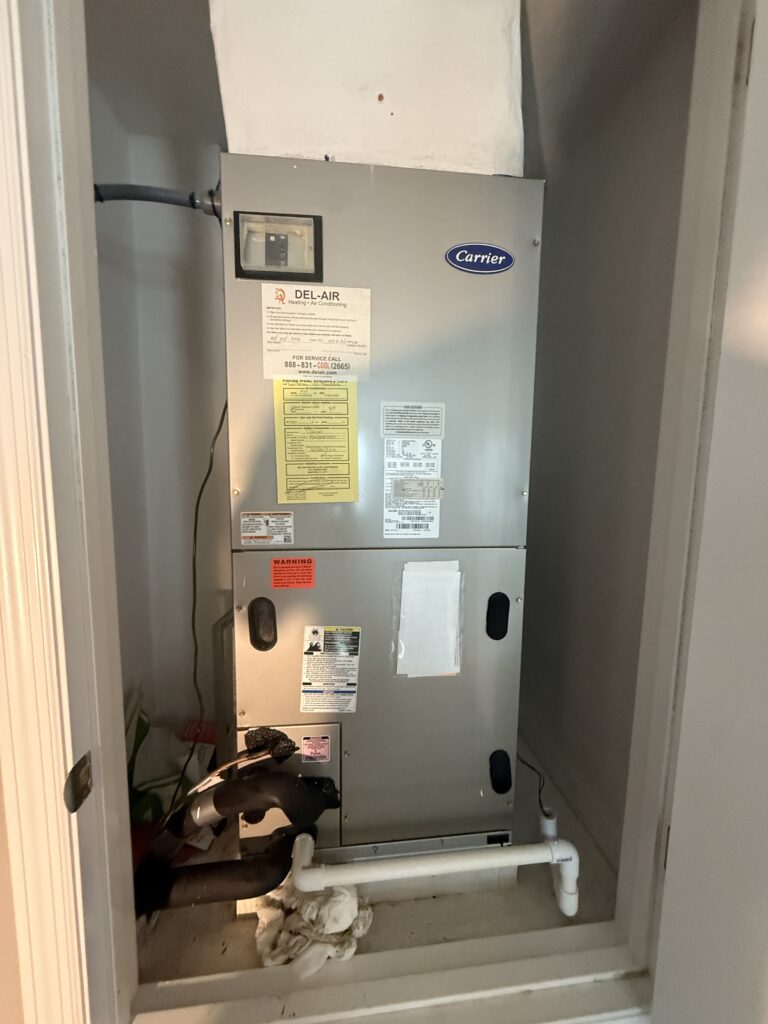
In the winter, the dynamic flips entirely. The phones slow down. The frantic urgency dissipates. This shift creates a buyer’s market. Manufacturers often find themselves with inventory that needs to move before the new year’s models are released. To stimulate sales during this lull, they frequently offer rebates and incentives that are unavailable during the peak season. Local dealers are also more eager to keep their crews busy and their trucks moving, which can lead to more competitive pricing on installation packages.
Furthermore, financing options are often more attractive during the slow season. Lenders and manufacturers collaborate to offer low interest rates or extended payment terms to entice homeowners to make the upgrade. By choosing to replace your system in the winter, you are essentially buying a winter coat in July. You are purchasing a high value item when the rest of the market is looking the other way, allowing you to secure the best possible equipment for your budget without the premium pricing that often accompanies emergency summer services.
Elevating Installation Quality and Craftsmanship
There is a human element to HVAC installation that is often overlooked. The quality of your installation is arguably more important than the brand of the equipment you choose. A top tier Trane or Carrier system installed poorly will perform worse than a budget model installed perfectly. The conditions under which the technicians work play a massive role in the quality of that installation. In the middle of a Florida summer, the attic of a home can reach temperatures exceeding one hundred and forty degrees. It is a dangerous, suffocating environment.
Need a heat pump install? Click here for our heat pump installation service.
When a technician is working in a summer attic, their physical safety becomes the priority. They are battling heat exhaustion and dehydration. Naturally, the human instinct in such hostile conditions is to finish the job as quickly as safely possible to get out of the heat. While professional technicians always strive for excellence, the physical toll of the summer heat can lead to rushing. It is simply human nature to want to escape an oven.
Contrast this with an installation in January. The attic is a manageable seventy or eighty degrees. The technicians are comfortable and safe. They can take their time to ensure every duct connection is perfectly sealed with mastic. They can meticulously arrange the wiring and double check the refrigerant levels without the threat of heat stroke looming over them. They have the mental and physical bandwidth to focus entirely on the craftsmanship of the job. This results in a cleaner, more precise installation that will likely have fewer issues down the road. You are getting the technician at their absolute best, unburdened by the brutal elements, which directly translates to a more reliable system for your home.
Immediate Returns on Energy Efficiency
Many homeowners hold onto their old units with the logic that they want to “squeeze every last drop” of life out of them. They think that by waiting until the unit dies, they are saving money. In reality, keeping an aging system running is a slow financial bleed. HVAC technology has advanced rapidly in the last decade. A system that was installed fifteen years ago likely has a SEER rating of ten or twelve. Modern systems installed today meet new, rigorous Department of Energy standards, often boasting SEER2 ratings of fifteen, sixteen, or even higher.

The efficiency gap is even more pronounced in the heating mode. Older heat pumps struggle significantly when the temperature drops. As their components wear out, they lose their ability to extract heat from the outside air efficiently. This forces the system to rely on the auxiliary heat strips—the emergency electric resistance heating—far more often than necessary. These strips are expensive to run, causing your electric bill to spike dramatically during cold snaps.
By upgrading in the winter, you stop this financial bleeding immediately. You switch from an inefficient, energy hogging machine to a sleek, modern system right when your heating demand is highest. You will likely see a significant drop in your utility bill starting from the very first month. Instead of paying a premium to the power company to run a dying machine for six more months, you can put that money toward the investment of the new system. You start recouping your costs immediately, enjoying the savings through the rest of the winter and being perfectly positioned for maximum efficiency when the cooling season begins in earnest.
Avoiding the Nightmare of a Summer Breakdown
There is a specific kind of anxiety that comes with a broken air conditioner in a Florida summer. It is not just an inconvenience; it is a crisis. The temperature inside the home climbs rapidly, reaching eighty five or ninety degrees within hours. Sleep becomes impossible. Humidity soaks into your furniture and drywall. For elderly relatives, young children, or pets, the heat can be physically dangerous.
Want to see the benefits of a seasonal tune up? Click here for more information.
When your system fails in July, you are joining a long line of other desperate people. You might call five different companies and hear that the earliest appointment is three days away. Even when a technician arrives, if a part needs to be ordered or if the entire system needs replacing, you could be looking at a week or more without cooling. This often forces families to rent hotel rooms or stay with relatives, adding hundreds of dollars of unexpected costs and massive disruption to their daily lives.
Replacing your system proactively in the winter eliminates this nightmare scenario entirely. You turn a chaotic emergency into a controlled, scheduled event. You choose the date that works for your schedule. You do not have to take unplanned days off work. You do not have to pack up the dog and the kids and flee to a hotel. You have the luxury of time to research your options, ask questions, and make a decision without the sweat dripping down your face. You essentially buy yourself peace of mind, knowing that when the heat returns, your home is a fortress of cool comfort that is ready for the challenge.
Taking Advantage of Federal Incentives
The financial landscape for HVAC upgrades has changed significantly with recent government legislation. The Inflation Reduction Act and other federal programs have introduced substantial tax credits and rebates for homeowners who upgrade to high efficiency heat pumps and air conditioners. These incentives are designed to encourage the shift toward greener, more energy efficient technology.

These tax credits are often tied to the tax year. By installing your system in the winter, specifically early in the calendar year or before the tax year ends, you can time your purchase to maximize these benefits. You might be able to claim a credit of up to two thousand dollars or thirty percent of the project cost on your upcoming tax return, depending on the specific equipment and your tax situation. This effectively lowers the price of the system significantly.
Furthermore, utility companies often have their own rebate programs that run on annual cycles. Sometimes these funds are depleted later in the year. By acting in the winter, when the new budget year begins for many organizations, you ensure that you are at the front of the line for these rebates. Navigating these incentives can be complex, but doing so during the slower winter months gives you the time to ensure you have all the proper documentation and certifications from your installer. You are not just buying an AC; you are making a strategic financial move that leverages government and utility money to improve your home’s value and comfort.
The decision to replace an HVAC system is never one that is taken lightly. It is a significant investment in your property. However, timing that investment correctly can change the entire experience from a stressful burden to a strategic win. Winter in Florida offers the perfect confluence of favorable conditions. The weather allows for higher quality installations without the risk of attic heat exhaustion. The market conditions provide better pricing and availability. The immediate energy savings help the system pay for itself, and the elimination of breakdown anxiety is priceless.
Waiting until your system breathes its last gasp on a scorching July afternoon is a gamble that rarely pays off. It leaves you at the mercy of the market and the elements. By choosing to upgrade with Legion Cooling during the calm of winter, you are taking control of your home’s comfort. You are ensuring that your family will be cool, safe, and financially efficient for years to come. Do not wait for the emergency. embrace the opportunity of the off season and step into the next summer with confidence.