
Benefits of Upgrading to a Smart Thermostat
For decades, the thermostat was the most static device in the home. It sat on the wall, usually a beige plastic box with a simple dial or a few rubber buttons. Its function was purely binary. It turned the heating or cooling system on when the temperature crossed a certain threshold, and it turned it off when the target was reached. For homeowners in Winter Garden, where the air conditioner is the single largest consumer of electricity, this lack of sophistication has always been a hidden cost. We relied on fallible human memory to adjust the temperature when leaving for work or going to bed. We guessed at the most efficient settings. We often cooled empty houses for hours simply because we forgot to turn the dial before walking out the door.
The introduction of the smart thermostat has fundamentally changed this dynamic. These devices are not merely digital versions of the old manual models. They represent a complete rethinking of how we interact with our home’s climate control system. A smart thermostat is a computer that is dedicated to managing your comfort and your energy consumption. It uses data, sensors, and internet connectivity to make decisions that a human operator simply cannot match in terms of precision and efficiency. For Florida residents, upgrading to a smart thermostat is one of the most effective ways to modernize a home, offering a return on investment that is visible in the monthly utility bill and felt in the daily comfort of the living space.
The Power of Connectivity and Remote Access
The most immediate and tangible benefit of a smart thermostat is the ability to control it from anywhere. The device connects to your home Wi-Fi network, which links it to a dedicated application on your smartphone, tablet, or computer. This breaks the physical tether that once bound you to the hallway wall. You no longer have to be standing in front of the unit to make an adjustment. This feature fundamentally changes how you manage your home’s temperature.
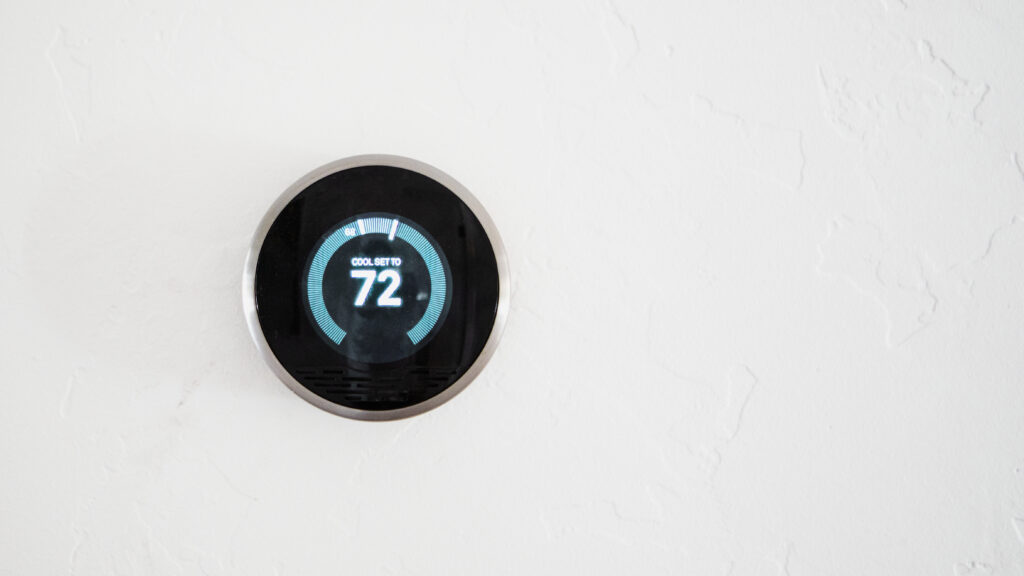
Consider the common scenario of leaving for a vacation. In the rush to pack the car and get to the airport, it is easy to forget to adjust the AC. With a traditional thermostat, you would realize this mistake hours later, knowing that you are now paying to cool an empty house for a week. With a smart thermostat, you simply open the app while waiting at the gate and set the system to an energy saving mode. This simple action can save a significant amount of money over the course of a trip.
Remote access also provides a level of comfort management that was previously impossible. If you are returning home from work on a particularly hot July afternoon, you can lower the temperature before you leave the office. By the time you walk through your front door, the home is already cool and inviting. You do not have to blast the system on high and wait uncomfortably for the temperature to drop. This ability to react to your schedule in real time ensures that you are only using energy when you actually need the comfort, rather than running the system on a rigid, inefficient schedule.
Intelligent Automation and Learning Algorithms
While remote control is convenient, the true power of a smart thermostat lies in its ability to think for itself. Early programmable thermostats failed because they were difficult to use. They required the homeowner to stand at the wall and press buttons to program complex schedules for weekdays and weekends. Most people found this frustrating and simply left the thermostat on a permanent “hold” setting, negating any potential savings. Smart thermostats solve this by removing the need for manual programming entirely.
Many modern smart thermostats utilize learning algorithms. When you first install the device, you use it just like a normal thermostat. You turn it down when you go to sleep, turn it up when you leave, and adjust it when you get hot. The device records every one of these inputs. It notes the time of day, the outdoor weather conditions, and the resulting indoor temperature. Over the course of a week or two, it learns your patterns. It begins to anticipate your needs. It creates a schedule that is perfectly tailored to your actual lifestyle, not a theoretical schedule you tried to program. It knows you like the house at seventy two degrees by ten o’clock at night, so it begins cooling at nine thirty to hit that target precisely.
Need a thermostat installation? Click here for our thermostat installation service.
Furthermore, many devices utilize geofencing technology. This feature uses the location services on your smartphone to detect your physical presence. When the last person in the household leaves the defined perimeter around the home, the thermostat automatically switches to an “away” mode, raising the temperature to save energy. As soon as someone crosses back into the perimeter, the system wakes up and begins cooling. This automation ensures that the system is never running unnecessarily. It accounts for erratic schedules that a fixed program cannot handle. If you come home early on a Tuesday, the geofencing detects you and adjusts accordingly. If you stay out late on a Friday, the system keeps saving energy until you are actually on your way back.
Real Financial Savings on Utility Bills
The primary motivator for most Winter Garden homeowners to upgrade is the potential for financial savings. In Central Florida, air conditioning accounts for a massive portion of the monthly electricity bill. Any efficiency gain in this area translates directly to dollars saved. A smart thermostat reduces energy consumption not by magic, but by eliminating waste. The Department of Energy and various independent studies have shown that a properly used smart thermostat can save a homeowner between ten and twenty percent on heating and cooling costs.
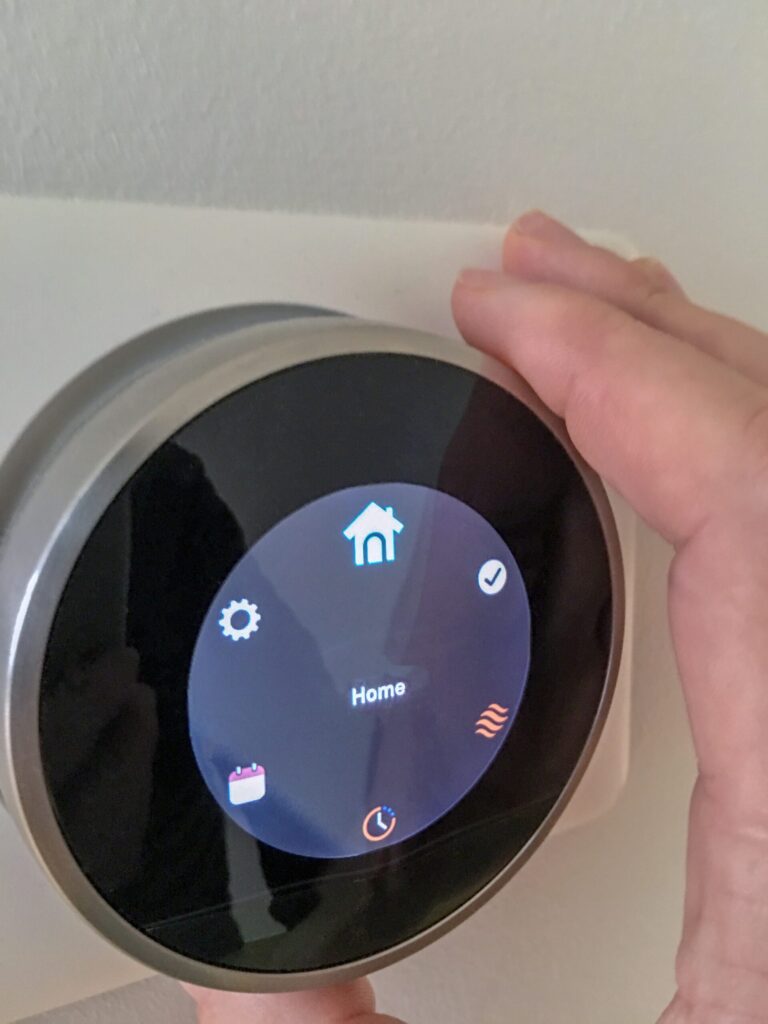
The savings come from the precision of operation. A manual thermostat has a wide temperature swing. You might set it to seventy four, but it might cool the room to seventy two before shutting off, effectively using more energy than requested. Smart thermostats use highly sensitive digital sensors to maintain the temperature within a fraction of a degree. They cycle the compressor more intelligently, preventing the system from overshooting the target temperature.
Additionally, the energy reports provided by these devices allow you to identify waste. The app can show you exactly how many hours your system ran yesterday, last week, or last month. It can compare your usage to previous months or even to similar homes in your area. This data empowers you to make informed decisions. You might see that lowering the temperature by just one degree at night increased your runtime by two hours. Seeing that correlation allows you to adjust your habits to find the perfect balance between comfort and cost. Over the life of the thermostat, these accumulated savings pay for the device many times over.
Protecting Your Equipment with Advanced Diagnostics
An often overlooked benefit of smart thermostats is their ability to monitor the health of your HVAC system. A traditional thermostat is blind to the mechanical reality of the equipment it controls. It sends a signal for cooling, and if the air does not get cold, it just keeps sending the signal. It does not know if the motor is seizing or if the compressor is overheating. A smart thermostat, however, acts as a diagnostic tool that can alert you to problems before they become catastrophic failures.
One of the most useful features is the filter change reminder. Old thermostats used a simple calendar countdown. They would beep every ninety days, regardless of how much the system actually ran. In the mild winter months, the system might not run enough to dirty a filter in ninety days. In the peak of summer, the filter might be clogged in thirty days. A smart thermostat tracks the actual runtime of the blower motor. It tells you to change the filter based on how much air has actually passed through it. This ensures you are not wasting money on clean filters, but more importantly, it ensures you are not choking your system with a dirty one.
Want to know the signs your thermostat might be failing? Click here for more information.
More advanced diagnostics can detect anomalies in performance. The thermostat knows how long it usually takes to cool your home from seventy eight degrees to seventy five degrees. If it suddenly takes twice as long to achieve that same drop, the thermostat recognizes this as a potential issue. It can send an alert to your phone suggesting that you might have a refrigerant leak or a dirty condenser coil. Some systems can even detect if the furnace is short cycling or if the discharge air temperature is not within the expected range. Receiving this early warning allows you to call Legion Cooling for a repair before the system fails completely, saving you the stress and expense of an emergency breakdown.
Managing Humidity for True Florida Comfort
In Winter Garden, heat is only half the battle. Humidity is the other, often more oppressive, factor. A standard thermostat measures temperature only. It does not care if the humidity inside your home is forty percent or seventy percent. However, seventy five degrees with high humidity feels significantly warmer and stickier than seventy five degrees with low humidity. This is why you often feel the need to lower the thermostat further to get comfortable, which uses more energy.
Many smart thermostats are equipped with built in humidity sensors. This allows the device to manage the “feels like” temperature rather than just the raw number. If the humidity is high, the thermostat can instruct the air conditioner to run a specific dehumidification cycle. This might involve running the AC a little past the temperature set point to pull extra moisture out of the air, or it might involve lowering the blower fan speed to allow the air to move slower over the cold coil, increasing moisture removal.
By actively managing humidity, the smart thermostat allows you to keep the actual temperature setting higher while still feeling perfectly comfortable. You might find that at fifty percent humidity, seventy seven degrees feels perfectly cool. This ability to raise the set point without sacrificing comfort is a massive energy saver. Furthermore, keeping humidity under control is vital for preventing mold growth and protecting your furniture and flooring from moisture damage.
Integration with the Modern Connected Home
We live in an era of connected devices. The smart thermostat serves as the central hub for the modern smart home ecosystem. These devices are designed to integrate seamlessly with platforms like Amazon Alexa, Google Assistant, and Apple HomeKit. This integration offers a level of convenience that goes beyond the app. It allows for voice control, which can be incredibly useful. If you are cooking in the kitchen and your hands are full, you can simply ask your voice assistant to lower the temperature. If you are in bed and wake up cold, you can adjust the room without moving from under the covers.
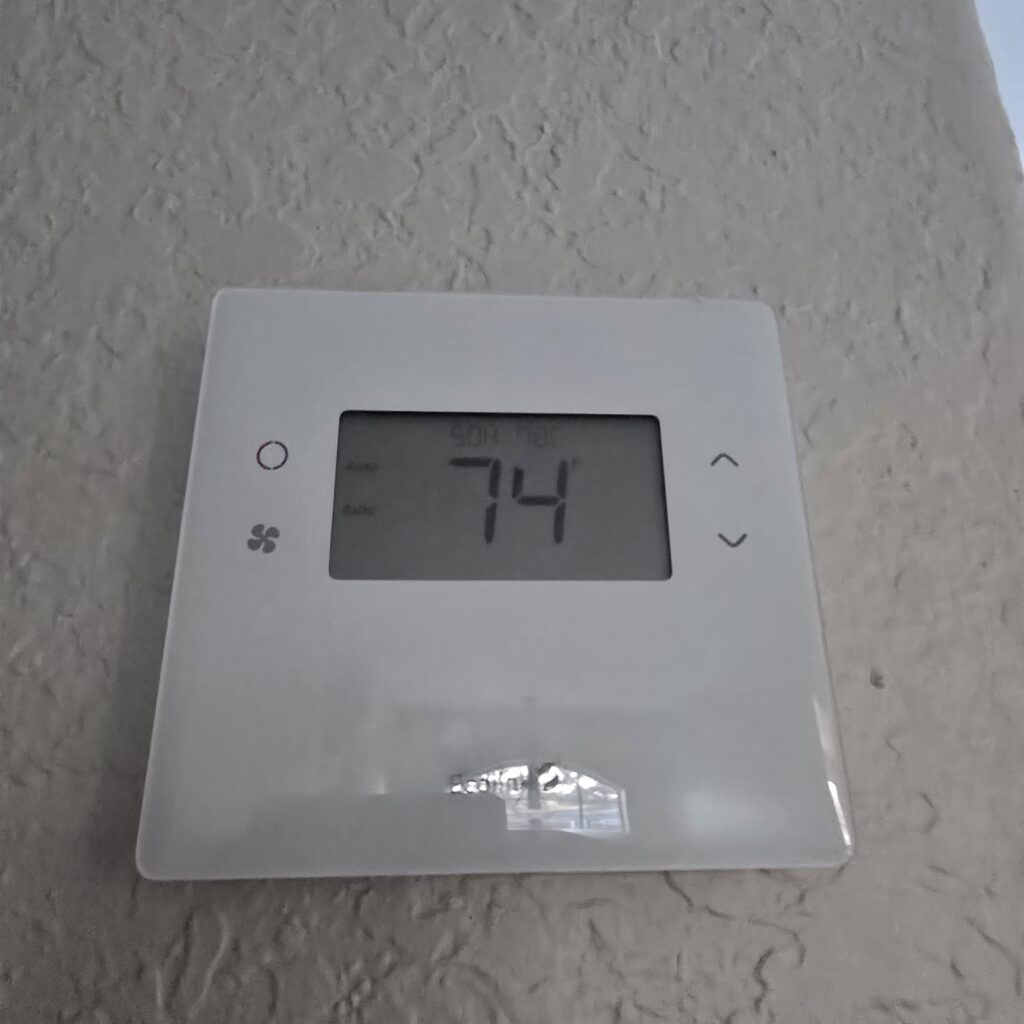
This integration also allows for the creation of “routines” or “scenes.” You can program a “Goodnight” routine that automatically locks the smart locks on your doors, turns off the smart lights, arms the security system, and sets the thermostat to your preferred sleeping temperature, all with a single command. You can have a “Goodbye” routine that shuts everything down when you leave the house.
The thermostat can also work in tandem with other smart devices to improve safety. For example, if you have a smart smoke detector that senses smoke or carbon monoxide, it can communicate with the thermostat to shut off the HVAC fan. This prevents the system from circulating smoke or toxic gas throughout the house, potentially saving lives and limiting fire damage. This interconnectedness transforms the thermostat from a simple switch into an intelligent participant in the safety and management of your entire home.
Installation and Compatibility Considerations
While smart thermostats are user friendly, installation requires a basic understanding of HVAC wiring. The most common hurdle for older homes in Winter Garden is the “C wire” or common wire. Old manual thermostats did not require power to operate; they were simple mechanical switches. Smart thermostats require a constant stream of electricity to power their Wi-Fi radios and color touchscreens. The C wire provides this continuous twenty four volt power path.
If your existing system does not have a C wire, installing a smart thermostat can be complicated. Some models come with power extender kits, while others require a new wire to be run from the air handler to the wall. Installing the device incorrectly can damage the thermostat or blow the fuse on your HVAC control board. Furthermore, heat pumps, which are prevalent in our area, have specific wiring requirements for the reversing valve and auxiliary heat strips. Wiring these incorrectly can cause the system to blow hot air in cooling mode or fail to trigger the emergency heat when needed.
For these reasons, professional installation is often the best route. A technician from Legion Cooling ensures that the C wire is present and correct. We verify that the thermostat is configured for your specific type of equipment, whether it is a single stage heat pump, a dual fuel system, or a standard straight cool AC with electric heat. Proper configuration is critical for the learning algorithms to work correctly. If the thermostat thinks you have a gas furnace but you actually have a heat pump, the efficiency calculations will be wrong, and the system may not run effectively.
The upgrade to a smart thermostat is one of the most logical and beneficial improvements a homeowner in Winter Garden can make. It addresses the core needs of living in a hot, humid climate: lowering high energy bills, managing humidity, and ensuring reliable comfort. It replaces guesswork with data and manual adjustments with intelligent automation. Beyond the immediate convenience of changing the temperature from your phone, it offers long term protection for your HVAC system through runtime based maintenance reminders and diagnostic alerts. It is a small device with a massive impact, turning your air conditioning system from a reactive energy hog into a proactive, efficient partner in your home comfort. By installing a smart thermostat, you are investing in a cooler, smarter, and more cost effective home.