
What to Do If Your System Blows Cold Air in Heat Mode
There are few moments more confusing and frustrating for a Winter Garden homeowner than turning on the heat and feeling a rush of cold air coming from the vents. In Florida, we spend the vast majority of our year trying to achieve exactly that result. We want cold air to combat the intense heat and humidity. However, on those rare mornings when the temperature drops into the forties or thirties, we expect our HVAC system to shift gears and provide warmth. When it fails to do so, or when it seems to be doing the opposite, the immediate reaction is often alarm. You wonder if the system is broken, if you have pressed the wrong button, or if you are about to face a massive repair bill.
Before you panic, it is important to understand that a heat pump blowing cool air is not always a sign of catastrophic failure. The heat pump technology that dominates the Central Florida market operates differently than the gas furnaces found in the north. It has unique quirks and operational cycles that can sometimes mimic a problem when the system is actually doing exactly what it was designed to do. At other times, the cold air is a symptom of a mechanical issue that needs professional attention. Distinguishing between a normal operational quirk and a genuine breakdown requires a little bit of knowledge about how your system moves heat. By checking a few basic settings and understanding the physics of the machine, you can often troubleshoot the issue yourself or at least know when it is time to bring in an expert to restore comfort to your home.
The Misunderstood Defrost Cycle
The most common reason for a heat pump to blow cold air in the winter is a process called the defrost cycle. This usually happens on the coldest mornings, which unfortunately is exactly when you want the heat the most. A heat pump works by absorbing heat from the outside air and moving it inside. Even when it feels cold to us, there is still heat energy in the air. However, as the system extracts this heat, the outdoor coil gets very cold. If there is moisture in the air—which is almost guaranteed in our humid subtropical climate—that moisture condenses on the coil and freezes.
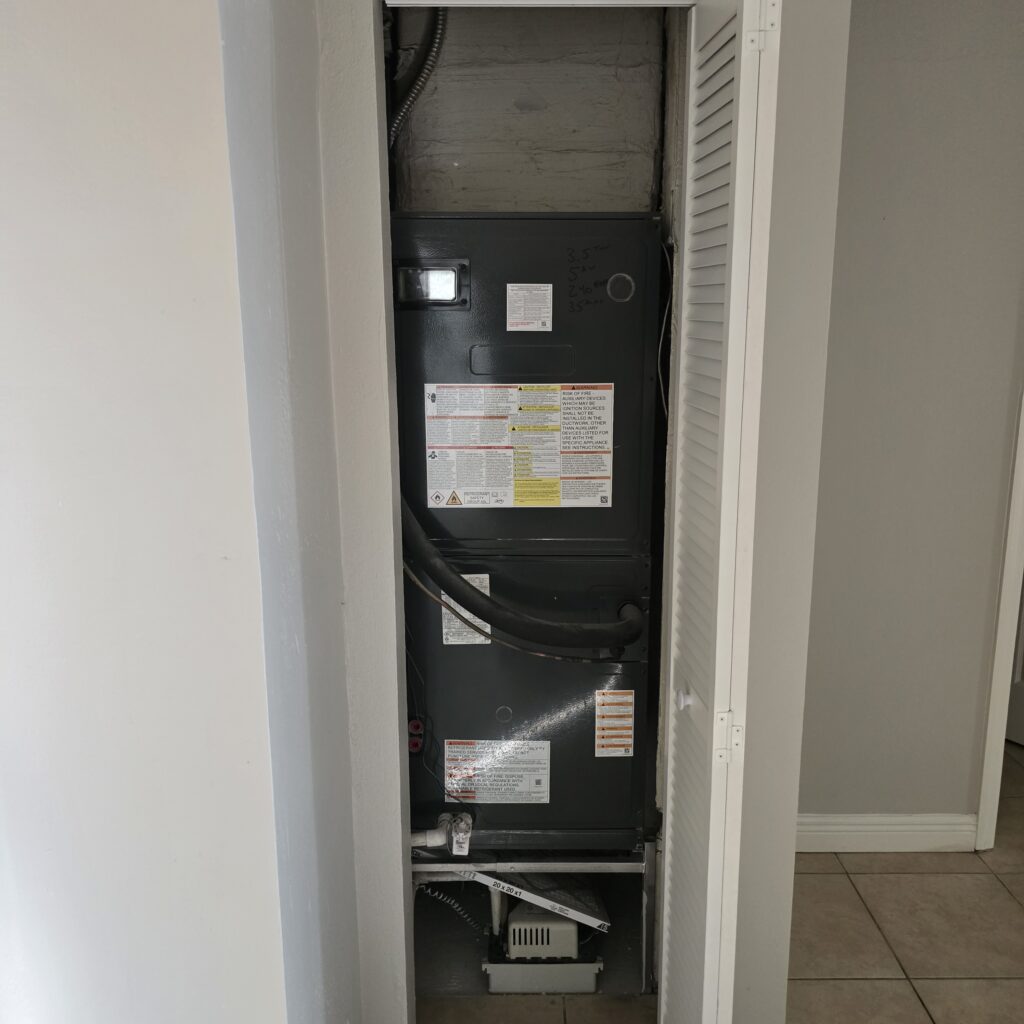
If ice were allowed to build up on the outdoor unit, it would act as an insulator and stop the heat transfer process, eventually damaging the compressor. To prevent this, the system is designed to melt the ice automatically. It does this by temporarily switching into cooling mode. This reverses the flow of refrigerant, sending hot gas to the outdoor coil to melt the ice. When the system is in cooling mode, it is naturally blowing cold air inside the house.
To counteract this, the system is supposed to turn on the auxiliary heat strips—the electric resistance heating elements—to warm the air before it enters your rooms. However, sometimes there is a lag, or the heat strips are not powerful enough to completely offset the cold air of the defrost cycle. You might feel a draft of cool air for ten to fifteen minutes while the outdoor unit steams and melts the ice. This is a temporary condition. Once the sensors detect that the ice is gone, the system will switch back to normal heating mode, and the air temperature will rise. If the cold air persists for more than twenty minutes, however, it indicates that the system might be stuck in this mode or that the backup heat is not engaging.
The Thermostat Fan Setting Mistake
One of the simplest explanations for cold air coming from your vents has nothing to do with the mechanical equipment and everything to do with how the thermostat is set. Most thermostats have two settings for the fan: “Auto” and “On.” In the summer, some homeowners prefer to leave the fan in the “On” position to keep air circulating throughout the house to help with filtration and air balancing. In the winter, however, this setting can be the source of your discomfort.
Need a thermostat repair? Click here for our thermostat repair service.
When the fan is set to “Auto,” it only runs when the system is actively heating or cooling the air. This means every time you feel air moving, it is being conditioned. When the fan is set to “On,” the blower motor runs continuously, twenty four hours a day, regardless of whether the compressor is running. When the heat pump satisfies the temperature setting and turns off the outdoor unit, the indoor fan keeps spinning. It circulates room temperature air.
In the winter, room temperature air moving across your skin creates a wind chill effect. Air that is seventy degrees can feel chilly when it is moving fast. If you place your hand over a vent while the heating element is off, the air will feel cold relative to your body temperature. This gives the illusion that the system is blowing cold air when, in reality, it is just recirculating the air you have already paid to heat. Checking your thermostat and ensuring the fan is set to “Auto” is the first step in troubleshooting this issue. It ensures that the fan stops spinning the moment the heat source turns off, preventing that drafty, cool sensation.
The Physics of Heat Pump Air Temperature
New homeowners in Florida who are used to gas furnaces often think their heat pump is broken simply because the air does not feel “hot.” This is a matter of perception versus physics. A gas furnace burns flame to create heat. The air coming out of the supply vents from a furnace can be between one hundred and thirty and one hundred and forty degrees. It feels hot to the touch, like a hair dryer. It warms a room rapidly and provides a cozy, toasty feeling.
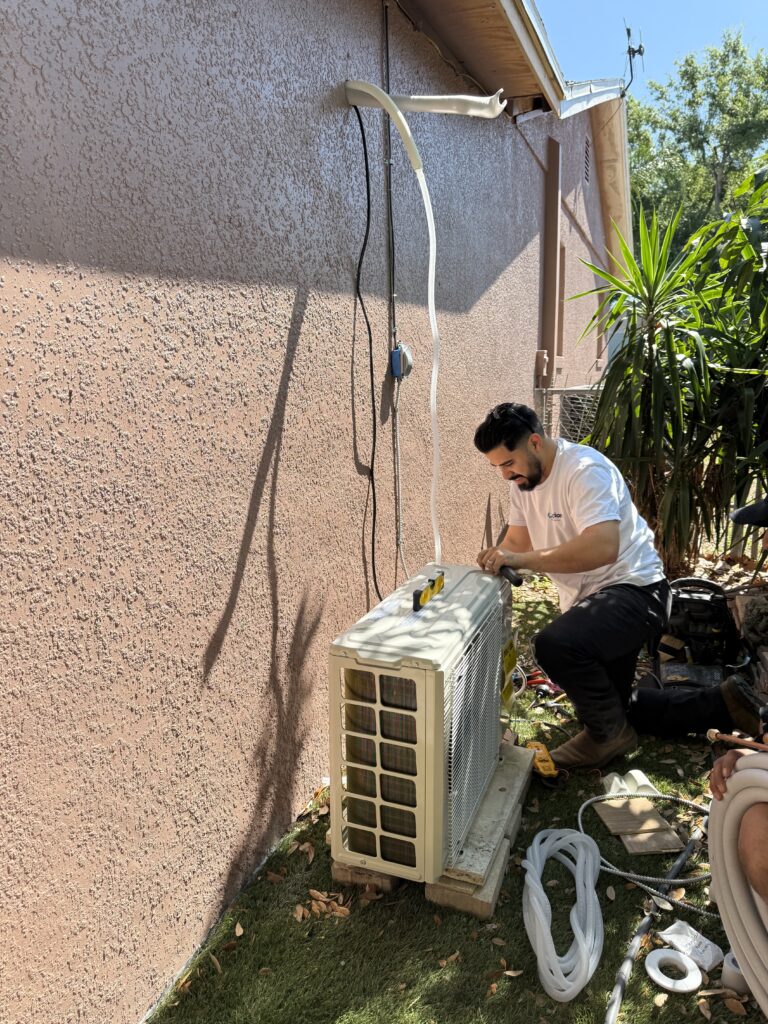
A heat pump operates on a different principle. It does not create heat; it moves it. The air coming out of a heat pump supply vent is typically between ninety and ninety five degrees. While this is certainly warm enough to heat your home to seventy two degrees, it is lower than the average human body temperature of ninety eight point six degrees. When air that is cooler than your body touches your skin, it registers as “cool,” even if it is technically warming the room.
This sensation is particularly noticeable if you stand directly under a vent. The moving air evaporates moisture from your skin, cooling you down further. If the outdoor temperature is extremely low, the heat pump struggles to extract heat, and the supply air temperature might drop even further, closer to eighty five degrees. This is still warmer than the room, but it feels distinctly tepid. Understanding this difference is crucial. If the room temperature is rising and the thermostat is satisfied, the system is working, even if the air coming out of the vent does not feel scorching hot. It is a slower, more gentle heat than the blast of a furnace.
A Stuck Reversing Valve
While some causes of cold air are operational quirks, others are genuine mechanical failures. The most critical component for heating in a Florida system is the reversing valve. This is a brass valve body with a sliding internal mechanism located in the outdoor condenser. It is responsible for changing the direction of the refrigerant flow. In the summer, it directs the refrigerant to absorb heat inside and release it outside. In the winter, it must physically slide to the opposite position to reverse the process.
Want to know more about a system tune up? Click here for more information.
Because we use our air conditioners for cooling for nine or ten months of the year, this valve sits in one position for a very long time. When the first cold snap arrives and you switch the thermostat to heat, the solenoid energizes and tries to pull the slide mechanism. Sometimes, due to age, corrosion, or sludge in the refrigerant lines, the valve gets stuck. It might physically jam halfway, or the electrical solenoid might fail to engage.
If the reversing valve fails to shift, the system will continue to run in cooling mode. The thermostat calls for heat, the compressor turns on, and the fan spins, but the system is doing exactly what it did in July: removing heat from your house. You are essentially air conditioning your home in the middle of winter. This is a distinct problem because the air will not just be lukewarm; it will be genuinely refrigerated cold air. If you verify that your thermostat is set to heat and the outdoor unit is running, but the air is ice cold, a stuck reversing valve is a likely culprit. This is a complex repair that requires a professional to replace the valve and recharge the refrigerant.
Failure of the Electric Auxiliary Heat
As mentioned earlier, heat pumps rely on a backup heat source when the outdoor temperature drops too low or when the system enters defrost mode. This backup is provided by electric heat strips located inside the air handler. These strips are essentially large, high voltage heating coils. They are simple but vital components for maintaining comfort during the few truly cold nights we experience in Winter Garden.
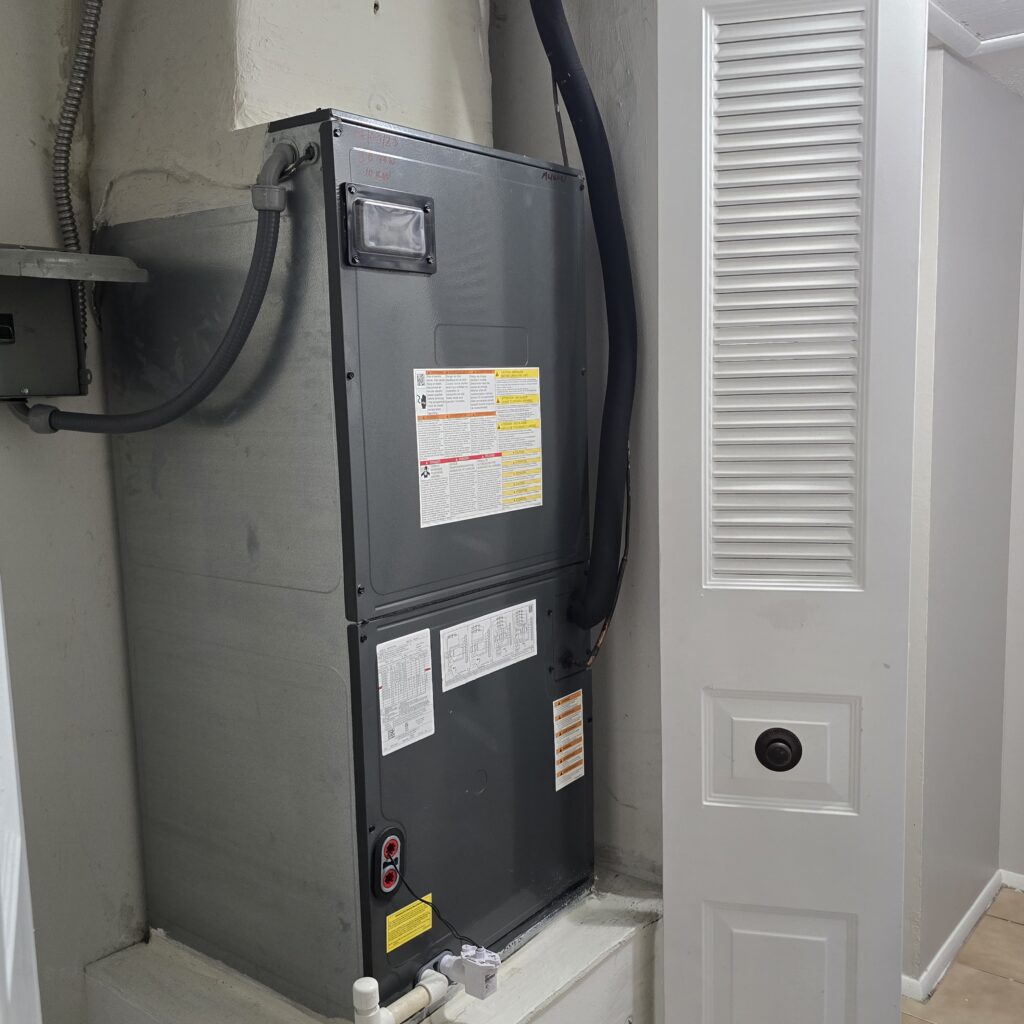
If these heat strips fail, your system loses its safety net. The heat pump might be able to maintain the temperature during the day when it is fifty degrees outside, but as soon as the sun goes down and the temperature drops, the heat pump cannot keep up. It will blow lukewarm air that slowly gets cooler as the outdoor air loses its thermal energy. Furthermore, without the heat strips, the defrost cycle becomes a miserable experience. When the unit switches to cool to melt the ice, there is no backup heat to temper the air. You get a blast of freezing air directly into your living room every time the unit defrosts.
Heat strips can fail for several reasons. The heating element itself can burn out and break, much like the filament in a light bulb. The sequencer, which is the switch that turns them on, can fail mechanically. The high amperage they draw can also trip the breaker in your electrical panel. Often, homeowners do not realize their heat strips are broken until the first freeze of the year. If your system seems to be working but just cannot reach the set temperature, or if the air turns dramatically cold periodically, checking the operation of the electric heat strips is a necessary diagnostic step.
Feeling cold air coming from your heating system is an unsettling experience, but it is rarely a reason for immediate panic. The complex nature of heat pump technology means that what feels like a failure is often just a misunderstood operational cycle. By checking your thermostat fan settings, understanding the “cool” feel of heat pump air, and being patient during a defrost cycle, you can often resolve the anxiety without needing a service call. However, when the cold air persists and the temperature in your home begins to drop, it serves as a clear signal that a mechanical component has failed.
Whether it is a stubborn reversing valve that refuses to shift or a set of auxiliary heat strips that have burned out after years of disuse, these are issues that require professional intervention. Addressing these problems promptly ensures that your system does not incur further damage from running in the wrong mode or working too hard to compensate for a failed part. Legion Cooling is ready to diagnose these winter glitches and perform the necessary repairs to ensure your home remains a warm and comfortable sanctuary, regardless of how low the mercury dips outside.