AC System Replacement: What You Need to Know
For homeowners in Winter Garden, the air conditioning system is not merely a convenience; it is the central component of the home infrastructure. It makes life habitable in a region where temperatures routinely soar into the nineties and humidity hangs heavy in the air for months on end. Because we rely on these machines so heavily, the prospect of replacing one can be a source of significant anxiety. It represents a major financial investment and a disruption to the daily routine. Often, the need for replacement arises during a crisis—a sudden breakdown in the middle of a July heatwave—which adds a layer of urgency and stress to the decision making process.
However, replacing an air conditioning system is also a unique opportunity. It is a chance to reset the comfort levels of your home, lower your monthly energy costs, and improve the quality of the air you breathe. The technology in the HVAC industry has advanced rapidly over the last decade. The systems available today are quieter, smarter, and vastly more efficient than the units installed ten or fifteen years ago. Moving from an aging, struggling unit to a modern system is not just a repair; it is a substantial upgrade to your quality of life. Understanding the replacement process, from the initial assessment to the final test run, empowers you to make informed decisions that will pay dividends for years to come.
Recognizing When It Is Time to Let Go
The first hurdle in the replacement journey is simply admitting that the current system has reached the end of its useful life. In Florida, the lifespan of an air conditioner is significantly shorter than in cooler climates. While a furnace in the north might last twenty years, an AC unit in Winter Garden is effectively a senior citizen by age ten or twelve. This is due to the sheer volume of work it performs. A system here runs for two to three thousand hours a year, battling intense heat and corrosive humidity.
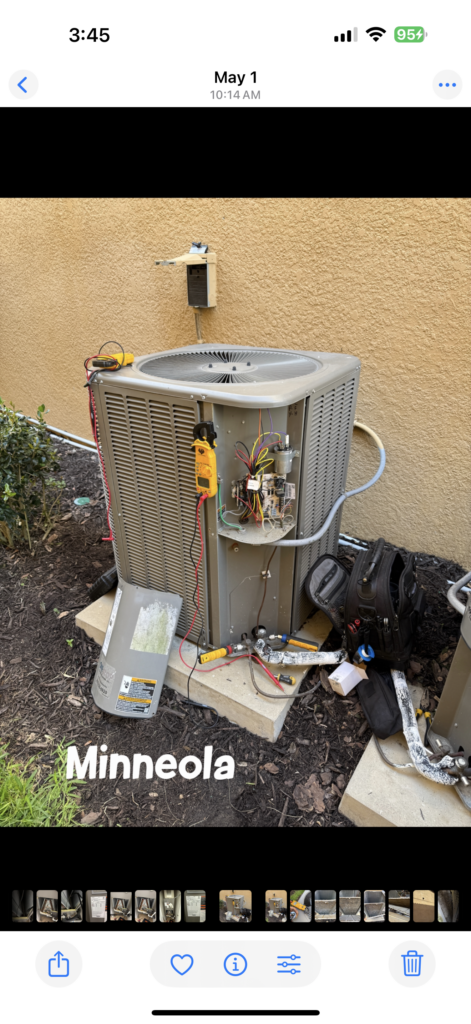
Beyond simple age, the frequency of repairs is the most reliable indicator that replacement is imminent. There comes a point where keeping an old system running becomes a financial error. If you are facing a repair bill that is fifty percent or more of the cost of a new unit, the decision is mathematically clear. Even smaller repairs can add up. If you have replaced a fan motor in March, a capacitor in June, and added refrigerant in August, you are throwing good money after bad. You are paying the monthly installments on a new system without receiving any of the benefits of a new system.
Performance degradation is another subtle but critical sign. You might notice that the system runs constantly but never quite reaches the set temperature during the hottest part of the day. Perhaps the air coming out of the vents feels cool, but the house feels sticky and humid. This indicates that the compressor is losing its efficiency or the coils are no longer transferring heat effectively. Noise is also a factor; a failing system often groans, rattles, or buzzes as bearings wear out and components vibrate loose. Listening to your system and tracking your utility bills will often tell you it is time to upgrade long before the unit actually stops working.
The Science of Sizing and Load Calculations
One of the most common mistakes in HVAC replacement is assuming that the new unit should be the exact same size as the old one. Homeowners often believe that if they had a three ton unit before, they need a three ton unit now. Or, they might think that because the old unit struggled, they should upgrade to a four ton unit to get “more cooling.” Both of these assumptions can lead to disastrous results. The size of the unit installed ten years ago was based on the home as it existed then, and frankly, it might have been sized incorrectly from day one.
Need an new air conditioner installed? Click here for our air conditioner installation service.
A professional replacement begins with a Manual J load calculation. This is a comprehensive physics assessment of your home. A technician measures the square footage, but they also evaluate the insulation levels in the attic and walls, the quality and orientation of the windows, the height of the ceilings, and the color of the roof. All of these factors determine how much heat enters the home and how much cooling is required to remove it. If you have added new windows, upgraded your insulation, or planted shade trees since the last unit was installed, your cooling needs have likely decreased.
Installing a system that is too large is just as bad as installing one that is too small. An oversized unit will cool the air incredibly fast, satisfying the thermostat in ten minutes or less. This sounds good in theory, but it creates a major problem with humidity. The air conditioner needs to run for long cycles to pull moisture out of the air. If it shuts off too quickly, the temperature drops, but the humidity remains high. This leads to a cold, clammy house and creates an environment where mold can thrive. A correctly sized system will run longer, steadier cycles, keeping the temperature stable and the air crisp and dry.
Navigating Efficiency Ratings and Technology
Once the correct size is determined, the conversation shifts to efficiency and features. The HVAC market uses a metric called SEER2 (Seasonal Energy Efficiency Ratio 2) to rate the efficiency of cooling equipment. The higher the number, the less electricity the unit uses to provide the same amount of cooling. In the past, a standard builder grade unit might have been a SEER 10. Today, the federal minimum in the Southeast is significantly higher, and high efficiency units can reach ratings into the mid twenties.
The leap in efficiency is largely driven by the type of compressor technology used. Entry level systems typically use single stage compressors. These are like a light switch; they are either on at one hundred percent capacity or they are off. They are reliable and affordable upfront, but they are the least efficient option. Two stage systems offer a middle ground, with a compressor that can run at a lower speed for mild days and kick into high gear for the hottest afternoons. This provides better comfort and lower bills.
The pinnacle of modern technology is the variable speed, or inverter driven, compressor. These units operate like the accelerator in a car, making minute adjustments to speed to match the cooling demand of the home perfectly. They might run at forty percent capacity for hours, maintaining the temperature within a fraction of a degree while using very little power. These systems are incredibly quiet and offer superior humidity control. While they come with a higher upfront price tag, the energy savings in a climate like Winter Garden can be substantial, often paying for the difference in cost over the life of the system.
The Physical Installation Process
The day of installation is a major construction event for your home. It involves removing heavy machinery, handling hazardous chemicals, and working with high voltage electricity. A professional installation team approaches this with a focus on protection and precision. They will start by laying down drop cloths to protect your flooring and clearing a path to the indoor air handler. The old refrigerant must be recovered into a dedicated cylinder, not vented into the atmosphere, in accordance with EPA regulations.
Want to know the signs it’s time to schedule service? Click here for more information.
Once the old equipment is removed, the team prepares the site for the new unit. This often involves leveling the outdoor pad or installing a new hurricane rated concrete slab. Inside, they may need to modify the plenum—the metal box that connects the unit to the ductwork—to ensure a proper fit and unrestricted airflow. The connection of the copper refrigerant lines is a critical step that requires brazing with a torch. To do this correctly, nitrogen must be flowed through the lines to prevent oxidation from forming inside the pipe, which could damage the new compressor.
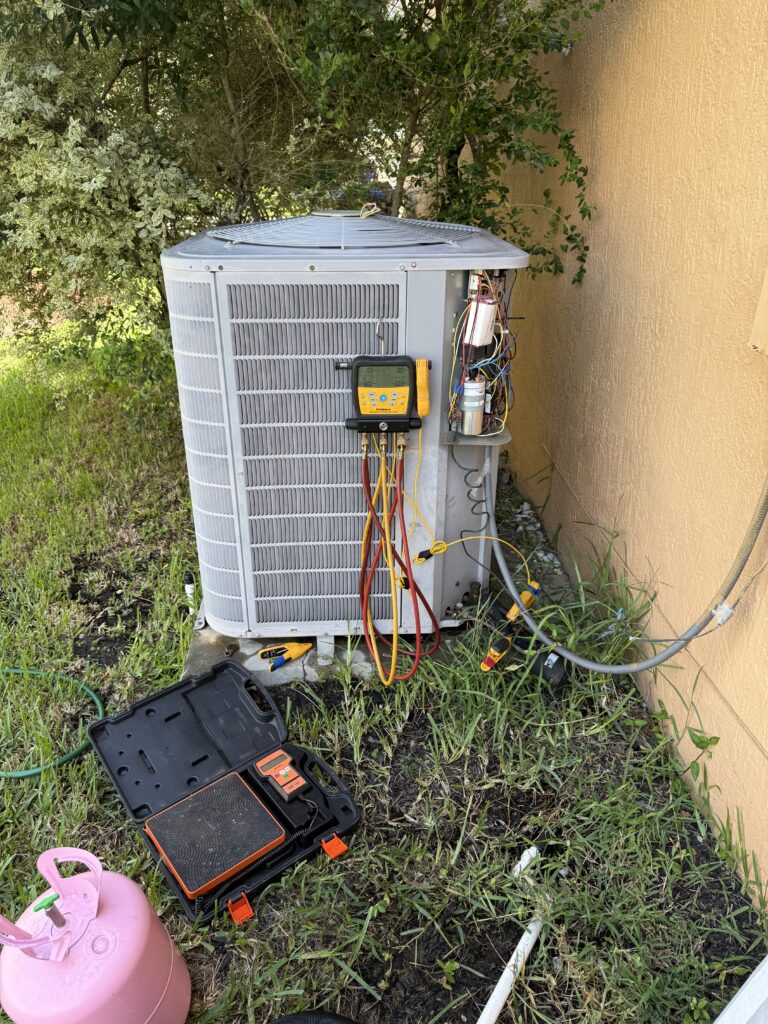
After the physical connections are made, the system must be evacuated. A vacuum pump is used to remove all air and moisture from the lines, creating a deep vacuum measured in microns. This is non negotiable; moisture left in the system will mix with the refrigerant oil to form acid, which will destroy the unit from the inside out. Only after the vacuum is verified is the refrigerant released. The final steps involves calibrating the blower speed, setting up the thermostat, and testing the system across all modes of operation to ensure it is performing exactly as the manufacturer intended.
Understanding the Financial Picture
Replacing an HVAC system is a significant expense, often costing several thousand dollars. It is important to view this not just as a purchase, but as a long term financial calculation. The “sticker price” is only one component. You must also consider the cost of ownership, which includes your monthly energy bills and potential repair costs. A cheaper, lower efficiency unit might save you money on installation day, but it could cost you thousands more in electricity over the next ten years.

Fortunately, there are several avenues to help manage the cost. Federal tax credits, particularly those expanded by the Inflation Reduction Act, offer substantial savings for homeowners who install high efficiency heat pumps. These credits can directly reduce the amount of tax you owe at the end of the year. Additionally, many utility companies offer rebates for upgrading to energy efficient equipment. These incentives can effectively lower the final price of a premium system to be competitive with a mid range model.
Financing is another tool that can make a replacement more manageable. Many HVAC companies offer financing plans that allow you to spread the cost over monthly payments. In some cases, the savings on your electric bill from the new, high efficiency unit can offset a significant portion of the monthly payment. This allows you to install the best system for your home immediately without depleting your savings, turning a major capital expense into a predictable monthly budget item.
AC replacement is a complex process that combines building science, financial planning, and skilled craftsmanship. It is the moment where you define the comfort level of your home for the next decade. By recognizing the signs of a failing system early, you can avoid the panic of an emergency replacement and take the time to choose the right solution. Understanding the importance of correct sizing ensures that you don’t end up with a system that leaves you cold and clammy. Navigating the options for efficiency allows you to balance upfront costs with long term savings.
Ultimately, the quality of the installation is just as important as the brand of the equipment. A professional installation ensures that the complex machinery you have purchased is set up to succeed, operating safely and efficiently from day one. When you are ready to make the transition, Legion Cooling is here to guide you through every step, providing the expertise and honest advice you need to turn a stressful situation into a lasting improvement for your Winter Garden home.