
How to Lower Humidity Inside Your Home Naturally
Florida summers bring heat, but the humidity is what makes homes feel sticky and uncomfortable. When indoor humidity climbs above 50 percent, your house starts to feel muggy even with the air conditioner running. High moisture levels also invite mold, dust mites, and musty odors into your living space. The good news is that you can lower humidity inside your home naturally without buying expensive equipment right away. Simple changes to ventilation, daily habits, and household routines make a real difference. Many Central Florida homeowners see improvement within days of making these adjustments. This guide covers proven natural methods to reduce indoor moisture and explains why humidity control matters for your home and health. If natural methods fall short, professional help is always available; want cleaner, drier indoor air? Click here for our indoor air quality services.
Natural Ways to Lower Humidity Inside Your Home
Lowering humidity inside your home naturally starts with understanding where the moisture comes from. Cooking, showering, laundry, and even breathing add water vapor to your indoor air every single day. In Florida, outdoor humidity also seeps inside through open doors, leaky windows, and poorly sealed ductwork. The goal is to remove moisture at the source and keep outdoor humidity from getting in. You do not need special tools to start; you need consistency. The methods below cost little or nothing and work in almost any home. Combine several of them for the best results. Small changes add up to a noticeably drier, more comfortable house.
Improve Ventilation to Lower Humidity Inside Your Home
Ventilation is the fastest natural way to lower humidity inside your home. Every time you cook, boil water, or take a hot shower, you release a large amount of water vapor into the air. Run your bathroom exhaust fan during every shower and keep it running for at least 20 minutes afterward. Do the same with your kitchen range hood any time you cook on the stove. These fans pull moist air out of the house before it can spread to other rooms. Homes without working exhaust fans trap that moisture in walls, ceilings, and closets. If your fans are weak or noisy, cleaning the grilles and blades often restores airflow. A fan that vents into the attic instead of outside should be corrected, because it just moves the moisture problem to a new location.
Interior doors also play a role in how moisture moves through your home. Keep bathroom doors closed during showers so humid air stays contained near the exhaust fan. Open closet doors and pantry doors occasionally to let trapped air circulate, since stagnant closed spaces hold moisture. Ceiling fans help too, even though they do not remove humidity directly. Moving air evaporates moisture from surfaces and skin, which makes rooms feel drier and cooler. Set ceiling fans to spin counterclockwise in summer for a downward breeze. Better circulation also helps your air conditioner remove moisture more evenly throughout the house. Rooms with dead air pockets tend to develop musty smells first.
Timing matters when you ventilate a Florida home. Opening windows sounds like a good idea, but in summer it usually lets more humidity in than out. Outdoor humidity in Central Florida often sits above 70 percent on summer mornings and evenings. Only open windows on rare dry days when outdoor humidity drops below indoor levels. Otherwise, keep windows and doors closed and let exhaust fans do the work. Check weatherstripping around doors and windows, and replace any strips that are cracked or flattened. Sealing those gaps keeps muggy outdoor air from leaking inside all day long. A tight home with targeted exhaust ventilation stays far drier than a leaky one.
Use Houseplants and Natural Absorbers to Lower Humidity Inside Your Home
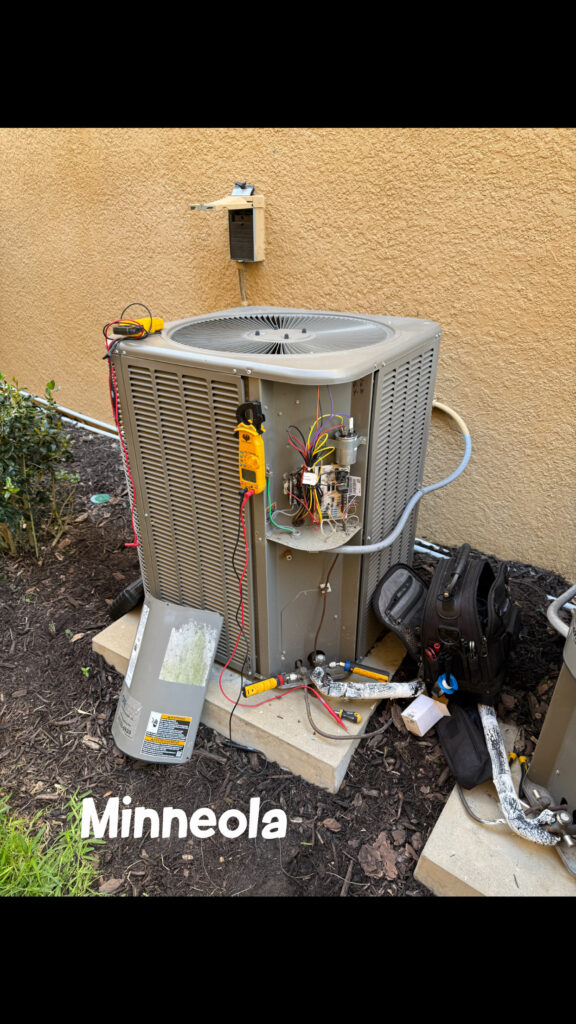
Certain natural materials absorb moisture and help lower humidity inside your home. Rock salt is one of the oldest and cheapest options available. Fill a bucket or bowl with rock salt and place it in a damp room; the salt pulls water vapor from the air and collects it. Baking soda works the same way on a smaller scale and fits nicely in closets, cabinets, and drawers. Silica gel packets, calcium chloride crystals, and charcoal briquettes also absorb ambient moisture. Replace or dry out these materials every few weeks as they become saturated. These absorbers will not fix a whole house, but they shine in problem spots. Closets, laundry rooms, and bathrooms without windows benefit the most.
Some houseplants actually remove moisture from the air instead of adding it. Peace lilies, Boston ferns, English ivy, and orchids absorb water vapor through their leaves. These plants evolved in humid environments and pull moisture directly from the air around them. Place them in bathrooms, kitchens, and other damp areas where they can work and thrive at the same time. Be careful with the opposite type of plant, though. Large collections of tropical plants that require frequent watering can raise indoor humidity through transpiration. If you have dozens of plants, group them in one well ventilated room rather than spreading them everywhere. Overwatered soil also releases moisture and can grow mold, so water only when the soil is dry.
Household routines around water make a bigger difference than most people expect. Fix dripping faucets and running toilets quickly, since constant water flow adds moisture to the air. Wipe down shower walls with a squeegee after bathing to cut evaporation dramatically. Do not leave standing water in sinks, pet bowls larger than needed, or mop buckets. Cover pots while cooking to trap steam instead of releasing it into your kitchen. Take shorter, cooler showers during the most humid months. Each habit sounds small on its own. Together, these routines remove a surprising amount of daily moisture from your home.
Change Daily Habits to Lower Humidity Inside Your Home
Laundry habits have a major effect on humidity inside your home. Hanging wet clothes to dry indoors releases every drop of that water into your air. A single load of laundry can add several pints of moisture to a room. Always dry clothes in a vented dryer or hang them outside when weather allows. Check that your dryer vent actually exhausts outdoors and is not clogged with lint. A blocked dryer vent pushes hot, moist air back into the house and creates a fire hazard at the same time. Clean the vent line at least once a year. Your laundry room should never feel steamy after a drying cycle.
Flooring and surfaces need attention in humid climates too. Carpets and rugs hold moisture and give mold a place to grow, especially in bathrooms and entryways. Vacuum regularly and let damp rugs dry completely before putting them back down. Wipe up spills right away instead of letting them evaporate slowly into the air. Firewood, damp cardboard boxes, and wet gear stored indoors all release moisture as they dry. Store these items in the garage or a shed instead. Check under sinks and around appliances monthly for hidden leaks. A slow leak behind a washing machine can raise humidity in half the house before you ever see the puddle.
Outdoor maintenance protects indoor humidity levels more than people realize. Make sure gutters are clean and downspouts direct rainwater at least a few feet away from your foundation. Soil that stays soggy against the house pushes moisture up through slabs and walls. Trim shrubs and plants back from exterior walls so air can circulate and dry the siding. Grade your landscaping so water flows away from the home, not toward it. Inspect exterior caulking around windows, doors, and penetrations every season. Florida rain finds every gap eventually. Keeping water away from the structure keeps moisture out of your living space, and it protects your foundation as a bonus.
Why High Humidity Inside Your Home Is a Problem in Florida
High humidity inside your home is more than a comfort issue in Central Florida. Moisture damages building materials, encourages biological growth, and drives up cooling costs all summer long. The Environmental Protection Agency recommends keeping indoor humidity between 30 and 50 percent. Many Florida homes sit at 60 percent or higher without homeowners realizing it. A simple hygrometer costs a few dollars and tells you exactly where your home stands. Once you know your numbers, you can track how well your natural methods are working. Understanding the risks below explains why this effort is worth your time. Ignoring humidity gets expensive fast.
High Humidity Inside Your Home Damages Walls, Floors, and Furniture
High humidity inside your home slowly destroys the materials your house is built from. Wood absorbs moisture from the air and swells as humidity rises. Doors start sticking in their frames, drawers jam, and hardwood floors cup or buckle at the edges. Crown molding and baseboards can pull away from walls as wood expands and contracts. Drywall absorbs moisture too, which softens it over time and leaves stains or bubbling paint. Wallpaper peels when the adhesive behind it stays damp. These repairs cost far more than prevention ever would. Furniture suffers the same fate, with warped table tops and loosened joints appearing after just one humid summer.
Mold is the most serious consequence of sustained high humidity. Mold spores exist in every home, but they only grow when moisture levels support them. Humidity above 60 percent gives spores everything they need to colonize walls, ceilings, closets, and air ducts. You may smell mustiness before you ever see visible growth. By the time black spots appear on a ceiling or in a closet corner, the colony has usually spread behind the surface. Remediation can cost thousands of dollars and may require tearing out drywall and flooring. Mildew also attacks fabrics, leather goods, books, and stored photographs. Humidity control is genuinely cheaper than mold removal in every case.
Your HVAC system and home electronics also suffer in humid conditions. Moisture inside ductwork encourages microbial growth that spreads through every room when the system runs. Metal components corrode faster in damp air, shortening the life of appliances and electrical connections. Condensation can form on ducts, windows, and toilet tanks, dripping onto floors and framing below. Insulation that gets damp loses much of its effectiveness, which makes your home harder to cool. Even stored items in attics and garages degrade quicker when moisture hangs in the air. Concerned about what is growing in your ductwork? Click here for our air duct services. Clean, sealed ducts keep humid air and contaminants from circulating through your home.
High Humidity Inside Your Home Affects Health and Comfort
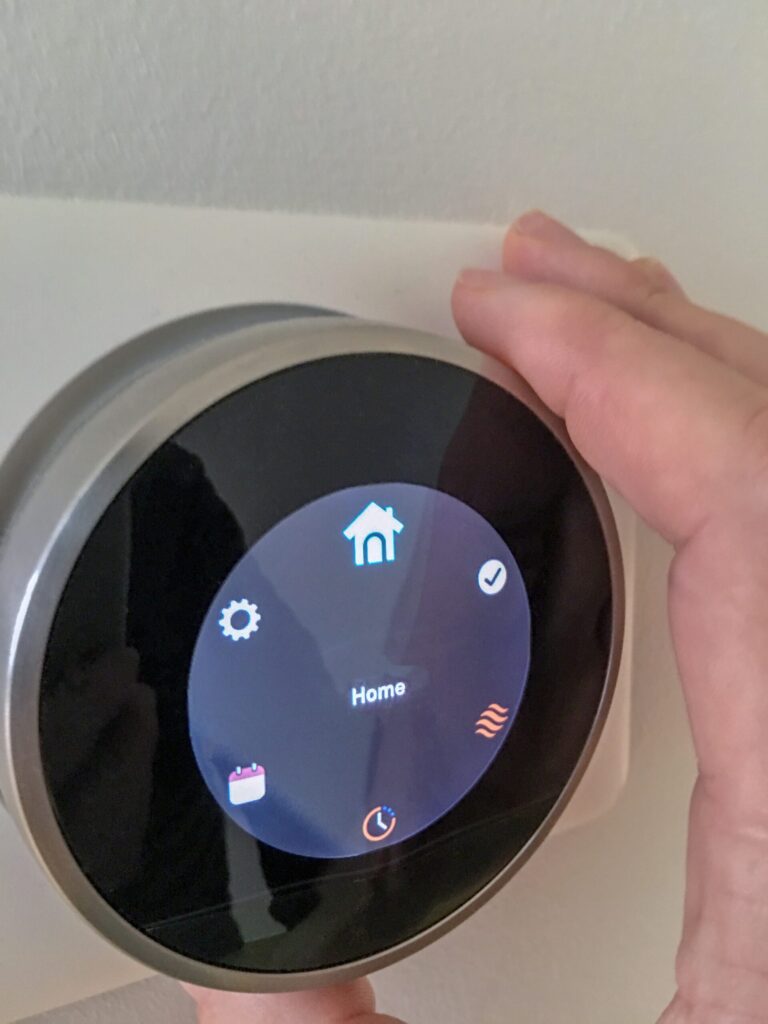
High humidity inside your home directly affects how your family feels every day. Humid air holds heat against your skin and prevents sweat from evaporating. A room at 76 degrees with 65 percent humidity feels warmer than a room at 78 degrees with 45 percent humidity. That sticky, clammy feeling makes sleep difficult and rest less refreshing. Many people crank the thermostat lower to compensate, which raises energy bills without fixing the real problem. Comfort in Florida is as much about moisture as it is about temperature. Getting humidity under control lets you feel comfortable at higher thermostat settings. Your body notices the difference immediately.
Health effects go well beyond simple discomfort. Dust mites thrive in humid environments and are a leading trigger for asthma and allergies. These microscopic pests multiply rapidly when indoor humidity stays above 50 percent. Mold spores in the air irritate airways and can cause coughing, congestion, headaches, and worsened respiratory conditions. People with asthma, young children, and older adults feel these effects the most. Bacteria and viruses also survive longer in overly humid air. Reducing indoor moisture removes the conditions these irritants need to flourish. Families often report fewer allergy symptoms within weeks of lowering their home humidity.
Humidity also affects indoor air quality in less obvious ways. Damp air amplifies odors from pets, cooking, and trash, which is why humid homes often smell musty or stale. Volatile compounds from furniture, carpet, and cleaning products release faster in humid conditions. High moisture makes homes feel stuffy even when the air conditioner keeps up with temperature. Skin problems like irritation and fungal issues become more common in persistently damp environments. Good air quality requires balanced humidity, proper filtration, and adequate ventilation working together. Natural methods handle part of that equation. Professional solutions like whole home dehumidifiers and ventilation upgrades handle the rest when Florida humidity overwhelms simple fixes.
High Humidity Inside Your Home Raises Energy Bills
High humidity inside your home forces your air conditioner to work overtime. An AC system does two jobs at once: it cools the air and removes moisture from it. When indoor humidity is excessive, the system spends more energy on moisture removal and takes longer to reach your set temperature. Longer run times mean higher electric bills every month of the summer. Humid air also makes you feel warmer, so most people respond by lowering the thermostat. Every degree lower adds roughly 3 to 5 percent to cooling costs. A humid home ends up paying twice, once for extra runtime and again for lower settings. Managing moisture naturally reduces both costs.
Oversized air conditioners make humidity problems worse, which surprises many homeowners. A system that is too large cools the house quickly and shuts off before it has time to pull moisture from the air. This short cycling leaves homes cold but clammy. Proper equipment sizing matters as much as equipment quality in Florida. A correctly sized system runs longer, steadier cycles that wring humidity out of the air. If your home feels cool and damp at the same time, sizing could be the culprit. This is worth discussing during your next service visit. The right system delivers comfort and efficiency together.
Neglected maintenance also drives humidity and costs upward at the same time. Dirty evaporator coils cannot remove moisture effectively, so humidity climbs even when the system runs constantly. Clogged filters restrict airflow and reduce dehumidification across the whole house. A clogged condensate drain line can back up and spill water inside your air handler, adding moisture right where you want it least. Refrigerant issues reduce the coil temperature difference needed to condense water out of the air. Regular tune ups keep every one of these components working properly. Struggling with a sticky house and rising bills? Click here for our air conditioning services. A well maintained AC is your biggest ally against Florida humidity.
Why You Need Legion Cooling for Humidity Control Inside Your Home
Natural methods lower humidity inside your home, but Florida summers push moisture levels beyond what habits alone can handle. When exhaust fans, absorbers, and smart routines still leave your home above 50 percent humidity, professional solutions close the gap. Legion Cooling helps Winter Garden and Central Florida homeowners diagnose moisture problems and fix them at the source. Our team evaluates your AC performance, ductwork, and ventilation to find where humidity is winning. We offer honest recommendations with straightforward quotes and no hidden fees. Comfort should not require guesswork, and it should not require overpaying either.
Professional Indoor Air Quality Solutions for Humidity Inside Your Home
Professional indoor air quality equipment controls humidity inside your home when natural methods reach their limits. Whole home dehumidifiers connect directly to your HVAC system and remove moisture from every room automatically. These units hold your home at a precise humidity level regardless of the weather outside. Unlike portable units, they require no emptying, no moving between rooms, and no constant noise in your living space. They work alongside your air conditioner, reducing its workload and extending its life. Many homeowners find they can raise the thermostat a few degrees once humidity is controlled.
Legion Cooling installs and services a full range of indoor air quality solutions. We assess your home first, because every house handles moisture differently. Duct condition, insulation, ventilation, and AC performance all factor into the right recommendation. Some homes need a dehumidifier; others need duct sealing or ventilation corrections first. We explain what we find in plain language and let you decide. There is never pressure to buy equipment you do not need.
Air filtration and purification round out a complete air quality plan. Better filtration captures the dust mite debris and mold spores that humid air encourages. UV lights installed at the coil prevent microbial growth inside your air handler. Combined with humidity control, these solutions transform how your home feels and smells. Your family breathes easier, and your house stays protected. Balanced humidity is the foundation that makes everything else work.

AC Service and Maintenance Help Control Humidity Inside Your Home
Your air conditioner is the primary tool for controlling humidity inside your home, and it needs to be healthy to do that job. Legion Cooling technicians inspect coils, filters, refrigerant levels, and drain lines during every maintenance visit. Clean coils condense moisture efficiently; dirty coils let humidity build even while the system runs. We clear condensate drains so removed moisture actually leaves your home. Small adjustments often produce major improvements in comfort. Regular maintenance is the cheapest humidity control available.
Proper diagnosis matters when a home stays humid despite a running AC. Our team checks for short cycling, incorrect refrigerant charge, oversized equipment, and airflow problems. Leaky ducts pulling in humid attic air are a common hidden culprit in Florida homes. We test and inspect rather than guess. Once we find the real cause, we fix that specific problem. You get a solution instead of a series of expensive experiments.
When replacement time comes, sizing your new system correctly makes all the difference for humidity. Legion Cooling performs proper load calculations instead of simply matching the old unit. A right sized system runs steady cycles that pull moisture out of the air continuously. Variable speed equipment offers even better dehumidification for Florida conditions. We help you choose equipment that fits your home and your budget. Financing is available to make the right system affordable.
Why Choose Legion Cooling for Humidity Control Inside Your Home
Legion Cooling is family owned, faith driven, and committed to honest expert service. We are licensed and insured, and we treat every home like it belongs to our own family. Our quotes are straightforward with no hidden fees, ever. We tell you what your home actually needs and nothing more. That integrity has built our reputation across Winter Garden and Central Florida. Trust matters when someone is working inside your home.
We are locally owned and operated, which means we understand Florida humidity firsthand. Our technicians deal with the same muggy summers you do. We serve Winter Garden, Windermere, Clermont, Ocoee, Apopka, Kissimmee, and communities throughout the Orlando area. Local roots mean fast response times and accountability you can count on. When you call, you reach a team that knows your neighborhood. We are committed to getting it done right every time.
Do not spend another summer in a sticky, uncomfortable home. Natural methods are a great start, and professional solutions finish the job. Call Legion Cooling at (321) 316-2422 to schedule an indoor air quality assessment or AC service. You can also email us at info@legioncooling.com or visit us at 1334 Winter Green Way, Winter Garden FL 34787. Financing is available for larger projects. Comfortable, dry, healthy air is one phone call away.