Understanding HVAC System Lifespan and Replacement Timing
Owning a home in Winter Garden comes with a specific set of maintenance realities that differ vastly from other parts of the country. While our roofs might not groan under the weight of heavy snow, our air conditioning systems face a grueling marathon that few other climates can match. The HVAC system is the heartbeat of the Florida home, pumping cool, dehumidified air into our living spaces to make the subtropical climate bearable. Because it is so essential, the question of its longevity is a source of anxiety for many homeowners. We all want to know exactly how long our investment will last and when we should start saving for the inevitable replacement.
Unfortunately, there is no expiration date stamped on the side of your condenser unit. The lifespan of an HVAC system is fluid, influenced by installation quality, maintenance history, and, most importantly, usage. In Central Florida, “usage” takes on a different meaning than it does in cooler states. Understanding the nuances of how our climate impacts mechanical equipment is the first step in managing your home’s most expensive appliance. It allows you to move from a state of reactive panic—waiting for a breakdown in July—to a state of proactive management, where you decide when it is time to upgrade on your own terms.
The Florida Factor and Equipment Longevity
When you search online for the average lifespan of an air conditioner, you will often see figures ranging from fifteen to twenty years. For a resident of Winter Garden, these numbers can be dangerously misleading. Those national averages include data from states like Minnesota and Maine, where an air conditioner might run for only three months out of the year. In those climates, a system can easily last two decades because it spends the majority of its life turned off.
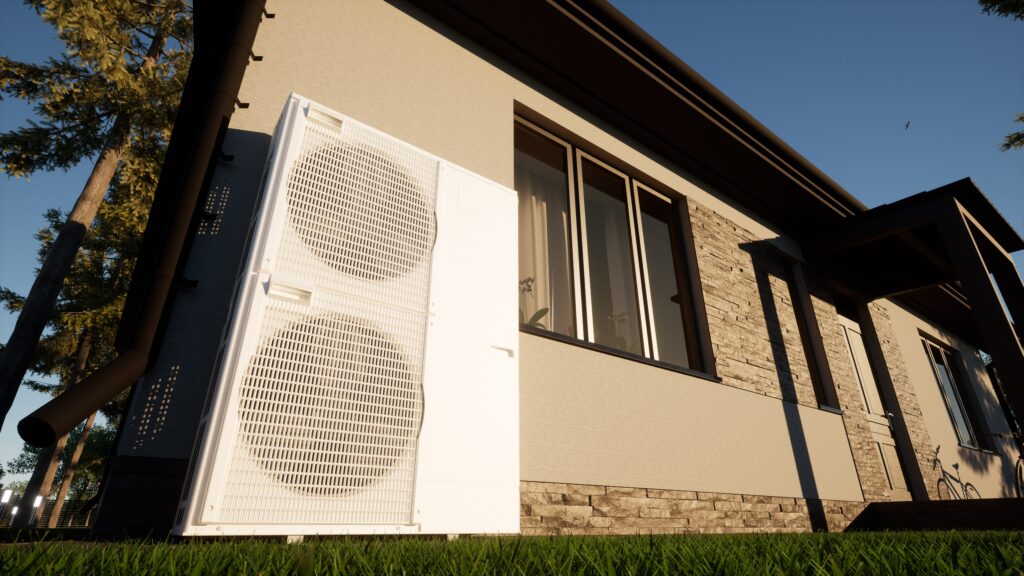
In Florida, the reality is starkly different. Our systems are the ultra marathon runners of the HVAC world. They operate for nine to ten months of the year, often running for twelve to sixteen hours a day during the peak of summer. In terms of actual run hours, a ten year old system in Florida has done the same amount of work as a twenty year old system in Ohio. The compressor, fan motors, and capacitors are subjected to relentless heat and friction. Consequently, the realistic life expectancy for a system in our area is closer to ten to twelve years.
This shortened lifespan is not a sign of poor manufacturing; it is simply a matter of physics and workload. The heat load in Central Florida is intense. Your system is fighting against ambient temperatures in the nineties and humidity levels that are off the charts. This requires the system to work harder to remove the latent heat—the moisture—from the air. This constant, heavy load accelerates the wear on internal components. Recognizing that your ten year old system is effectively a “senior citizen” in HVAC years helps adjust your expectations and prepares you for the decisions that lie ahead.
The Financial Equation of Repair Versus Replace
As a system ages, reliability naturally degrades. Components begin to fail as they reach the end of their design life. The decision to repair or replace often arises during a service call when you are faced with a bill for a few hundred dollars. At first, fixing a broken capacitor or replacing a fan motor seems like the logical, cost effective choice. It is certainly cheaper than buying a new unit. However, this logic can quickly lead to a phenomenon known as “nickel and diming.”
Need a furnace replacement? Click here for our furnace installation service.
There comes a point in the life of every system where the cost of repairs begins to outweigh the value of the equipment. Industry experts often use the “five thousand dollar rule” as a guideline. You multiply the age of the equipment by the estimated cost of the repair. If the total exceeds five thousand dollars, replacement is generally the wiser financial move. For example, if you have a twelve year old system facing a six hundred dollar repair, the total is seven thousand two hundred. This indicates that the money is better spent on a down payment for a new, warrantied system rather than patching a dying one.
You must also consider the hidden cost of efficiency loss. As systems age, they do not just break; they become inefficient. Dust accumulates on the coils, motors lose their lubrication and drag, and compressors lose their compression ratio. A twelve year old system might be running, but it is likely using thirty to forty percent more electricity to do the same job it did when it was new. By clinging to an old unit to avoid a car payment sized installment for a new one, you might unknowingly be paying that same amount to the utility company in the form of wasted energy.
Warning Signs Beyond the Breakdown
Waiting for a catastrophic failure is the most stressful way to handle HVAC replacement. Fortunately, your system will usually give you warning signs that it is nearing the end of its road long before it quits entirely. One of the most telling signs is a loss of comfort, specifically regarding humidity. In Winter Garden, an air conditioner’s primary job is dehumidification. As a compressor wears out, it loses its ability to pump refrigerant effectively. It might still cool the air, but it cannot get the coil cold enough to pull the moisture out. The result is a house that feels cold but clammy, or a “sticky” feeling on your skin even when the thermostat reads seventy five degrees.
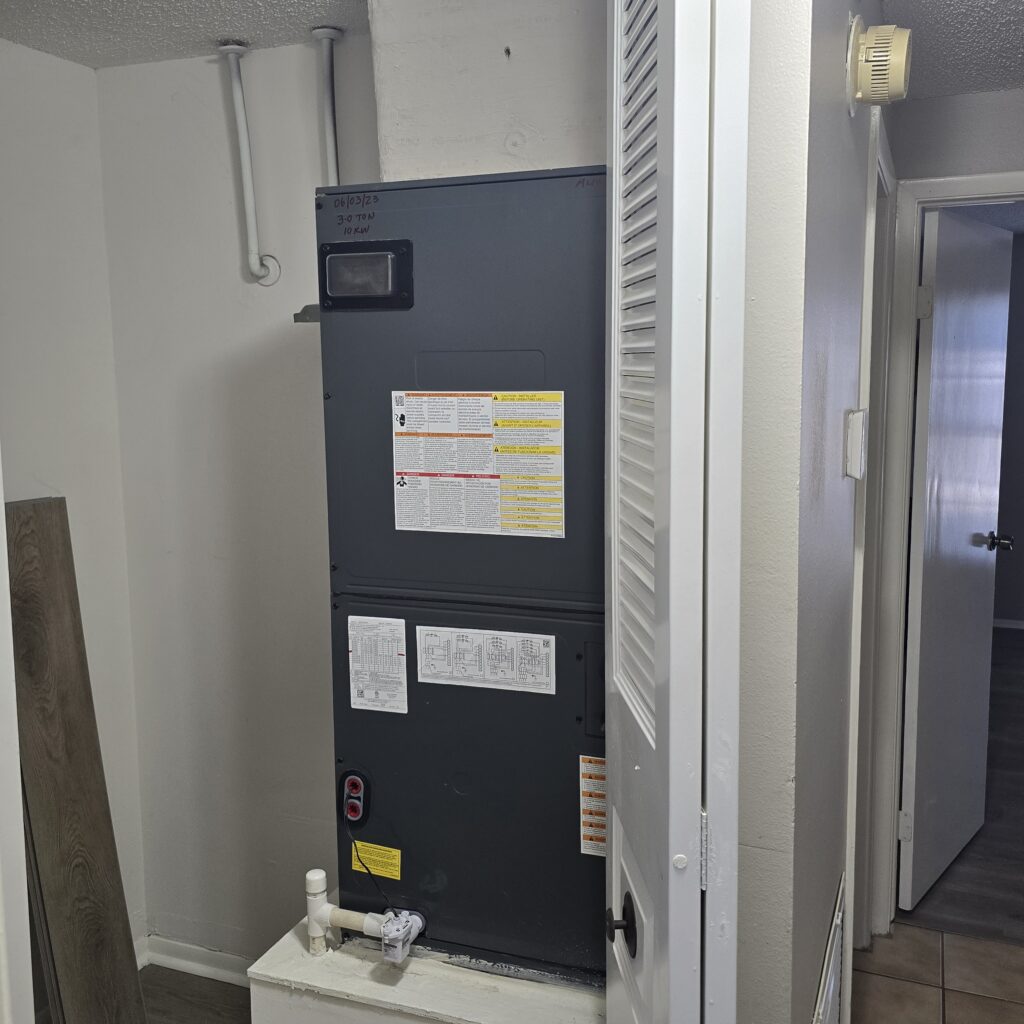
Noise is another major indicator. Air conditioners are designed to run relatively quietly. Over time, however, bearings wear out, fan blades can become unbalanced, and the compressor can begin to rattle or grind. If you have to turn up the volume on your television every time the AC kicks on, or if you can hear the outdoor unit running from inside your bedroom, the system is screaming for help. These mechanical noises are often the prelude to a major component failure.
You should also pay attention to the frequency of the system’s cycles. A healthy system in Florida should run for long, steady cycles to effectively remove humidity. If your system is “short cycling”—turning on for five minutes and then shutting off, only to turn back on ten minutes later—it is a sign of trouble. This could indicate that the system is oversized, but in an older unit, it often means the compressor is overheating and shutting down on a safety limit, or that the electrical components are failing to hold the circuit closed. This erratic behavior puts immense stress on the electrical grid of your home and the unit itself.
The Refrigerant Phase Out Complication
A critical factor in the replacement timing decision involves the type of refrigerant your system uses. For decades, the industry standard was R-22, commonly known as Freon. However, due to environmental regulations regarding ozone depletion, R-22 has been completely phased out. It is no longer manufactured or imported. If your system was installed before 2010, there is a high probability it uses R-22.
Want to know the signs of a failing thermostat? Click here for more information.
This creates a massive liability for the homeowner. If an R-22 system develops a refrigerant leak—which is common in older units due to coil corrosion—repairing it becomes astronomically expensive. The only R-22 available is recycled stock, and the price reflects its scarcity. Furthermore, you are pouring liquid gold into a leaky bucket. Investing hundreds or thousands of dollars to recharge an obsolete system is a poor financial decision.
Even the current standard refrigerant, R-410A, is undergoing a regulatory transition to newer, more environmentally friendly alternatives known as A2L refrigerants. While R-410A is still available and will be for some time, the industry is moving forward. Understanding where your specific unit falls in this timeline is crucial. If you have an R-22 unit, you are essentially driving a car for which they have stopped making gas. The first major breakdown related to the refrigerant loop should almost certainly trigger a replacement, as the cost of repair will likely approach the cost of a modern, efficient unit.
The Strategic Value of Proactive Replacement
There is a distinct difference between replacing a system because you have to and replacing it because you want to. An emergency replacement usually happens in the middle of a July heatwave. You are hot, desperate, and at the mercy of the market. You might have to settle for whatever unit is in stock, and you might pay premium emergency rates for installation. You lose the ability to research, compare features, or finance on your own terms.
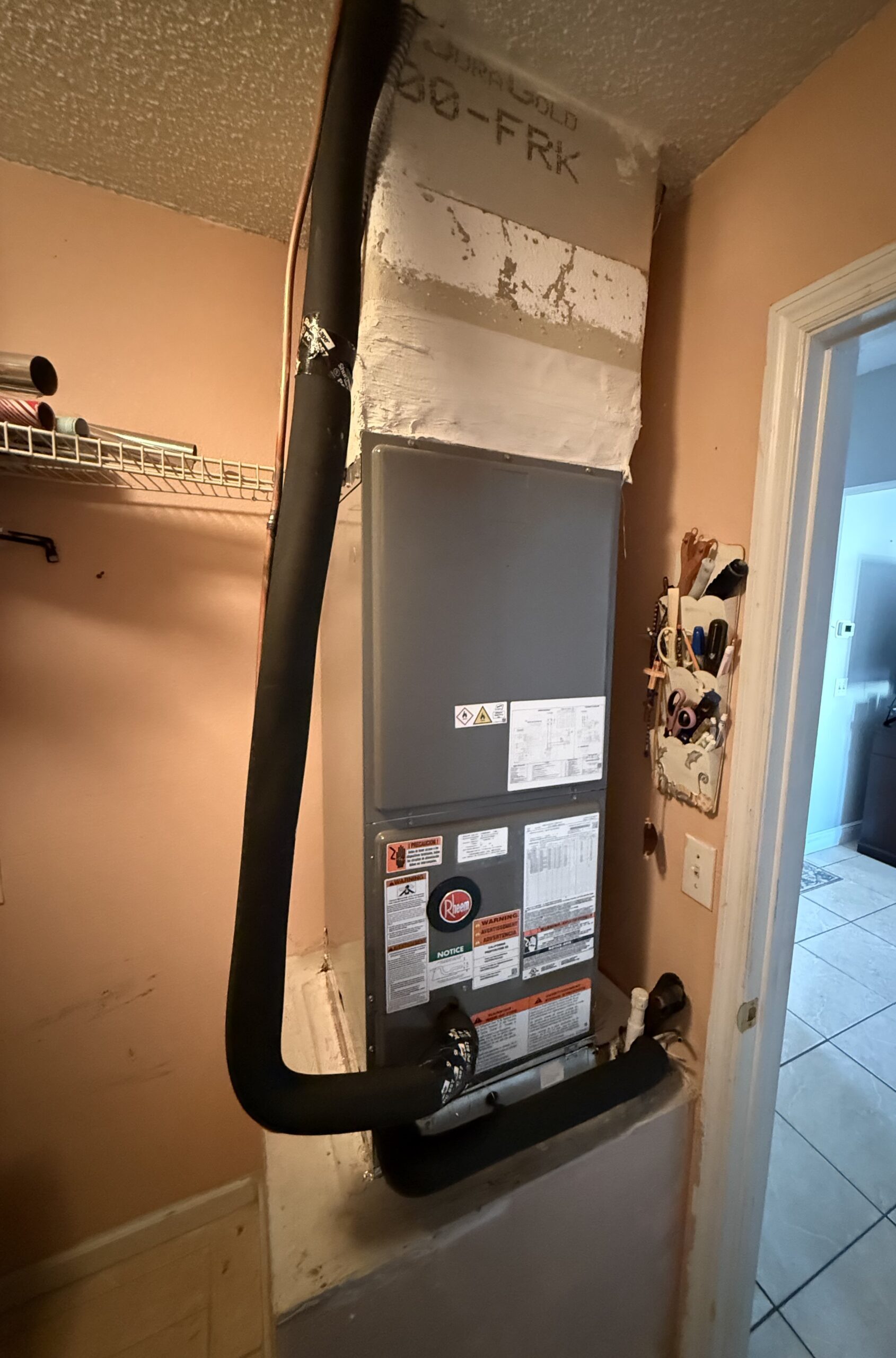
Proactive replacement changes the dynamic entirely. By recognizing that your twelve year old system is on borrowed time, you can plan the upgrade during the shoulder seasons—spring or fall—when demand is lower. This allows you to take advantage of manufacturer rebates, tax credits, and promotional financing that are often unavailable during the peak summer rush. It gives you the time to sit down with a professional and discuss upgrading to technologies like variable speed compressors or high efficiency heat pumps that can drastically lower your monthly bills.
Planning the replacement also allows you to address other infrastructure issues that an emergency swap might miss. You can have your ductwork inspected and sealed. You can upgrade your thermostat to a smart home ecosystem. You can add indoor air quality products like UV lights or upgraded filtration. Proactive replacement turns a home maintenance crisis into a home improvement project, adding value to your property and improving your quality of life immediately, rather than just restoring the status quo.
Understanding the lifespan of your HVAC system in Winter Garden requires looking past the generic advice found on the internet and accepting the reality of our demanding climate. A system that has survived ten or twelve years of Florida summers has served you well, but it is entering a phase of diminishing returns. The combination of rising repair costs, decreasing energy efficiency, and the obsolescence of older refrigerants makes holding onto an aging unit a risky financial gamble.
By monitoring your system for the physical signs of decline—noise, humidity issues, and short cycling—you can stay one step ahead of a breakdown. Choosing to replace your system before it fails completely puts you in the driver’s seat. It allows you to make an informed, calm decision that maximizes your investment and secures your comfort for the next decade. Legion Cooling is dedicated to helping you navigate this transition, offering honest assessments of your current equipment and expert guidance on the timing that makes the most sense for your home and your budget.