
Why Mini Splits Are Perfect for Florida Garages and Additions
Florida summers push garages and home additions past 100 degrees, and July is when homeowners feel it the most. Your central air conditioning system was never designed to cool these spaces, which is why they stay hot no matter how low you set the thermostat. A ductless mini split solves this problem without expensive ductwork or major renovations. These systems deliver powerful cooling directly to the space that needs it, and they do it while using less energy than a window unit or portable AC. Homeowners across Winter Garden, Clermont, and the rest of Central Florida are converting garages into gyms, offices, and workshops with mini splits. Additions like sunrooms and in law suites benefit from the same technology. Legion Cooling installs mini splits throughout the Orlando area, and we see firsthand how these systems transform unusable spaces into comfortable rooms. This guide explains why mini splits are the right choice for Florida garages and additions.
How a Mini Split Cools a Florida Garage Without Ductwork
A garage is one of the hottest rooms in a Florida home because it has little insulation, a large metal door, and no connection to your central AC system. Extending your existing ductwork into the garage is expensive, and in most cases it violates building code because garages can contain car exhaust and chemical fumes. A mini split avoids all of these problems by working independently from your home system. It uses a small outdoor condenser connected to an indoor air handler through a narrow line set that passes through a three inch hole in the wall. There is no ductwork to install, no energy lost through leaky ducts, and no contamination risk to the rest of your home. Installation typically takes one day. The result is a garage that stays cool in July instead of turning into an oven. Ready to cool your garage this summer? Click here for our mini split services.
The Mini Split Ductless Design Keeps Garage Cooling Simple
Traditional central air conditioning depends on a network of ducts to move cooled air from a single air handler to every room in the house. Ducts take up space in attics and walls, and they lose between 20 and 30 percent of cooling energy through leaks and heat gain according to the Department of Energy. A ductless mini split eliminates this entire problem by placing the air handler directly inside the garage. Refrigerant travels from the outdoor condenser to the indoor unit through insulated copper lines instead of moving air through ducts. Cold air comes straight out of the wall mounted unit and into the room. Nothing is lost in transit, which means every dollar you spend on electricity goes toward actual cooling. This direct delivery is why mini splits routinely outperform ducted systems in single room applications. For a Florida garage baking in July heat, that efficiency matters every single day.
The installation footprint of a ductless mini split is remarkably small compared to any ducted alternative. The indoor air handler mounts high on the wall, well above shelving, tool benches, and storage. The outdoor condenser sits on a small pad or wall bracket outside the garage. The only connection between them is a line set containing refrigerant lines, a condensate drain, and electrical wiring, all bundled inside a cover about the width of a downspout. Your installer drills one small hole through the exterior wall, and that is the extent of the structural work. There is no attic crawling, no drywall demolition, and no reworking of your existing HVAC system. Most Legion Cooling mini split installations in garages are completed in a single day. You park your car in a hot garage in the morning and a cool one that evening.
Building codes are another reason the ductless design wins in garage applications. Florida code prohibits connecting garage spaces to the ductwork that serves living areas because carbon monoxide, gasoline vapors, and chemical fumes could circulate into bedrooms and kitchens. That means tapping into your central system is off the table even if you wanted to pay for it. A mini split is a fully separate system, so it cools the garage without ever touching the air in your home. This keeps your family safe and keeps your installation legal and insurable. It also means the garage system can run on its own schedule without affecting comfort inside the house. You can blast cold air into your garage gym at 6 AM while the rest of the home stays untouched. Independence is built into the design, and that independence is exactly what a garage needs.
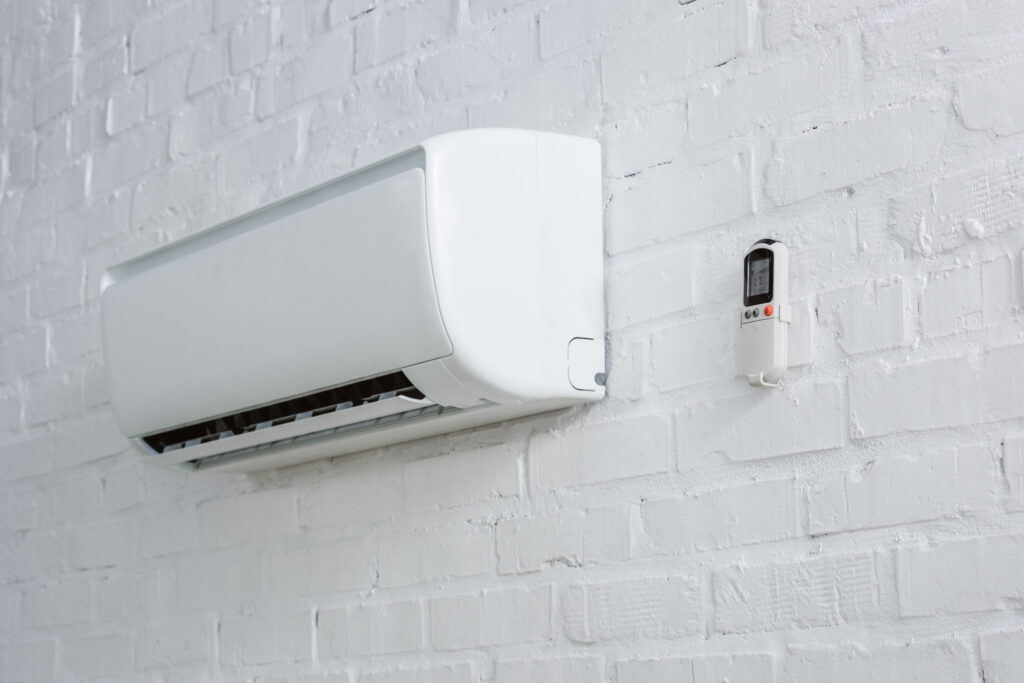
Mini Split Cooling Power Handles Extreme Florida Garage Heat
An uninsulated Florida garage can hit 110 to 120 degrees on a July afternoon, which is a heat load that portable units and window units simply cannot handle. A properly sized mini split can, because these systems are engineered to move serious amounts of heat. Residential mini splits range from 9,000 to 36,000 BTUs, and a typical two car garage in Central Florida usually needs somewhere between 12,000 and 24,000 BTUs depending on insulation and sun exposure. That capacity range gives your installer room to match the system precisely to the space. Sizing matters because an undersized unit runs constantly without reaching temperature, and an oversized unit short cycles and wastes money. Legion Cooling performs a load calculation before recommending equipment, so the system fits the actual conditions of your garage. The right size unit will hold a comfortable temperature even during the hottest week of summer. That is the difference between a garage you avoid and a garage you actually use.
Inverter technology is the engine behind mini split performance in extreme heat. Instead of switching the compressor fully on and fully off like older air conditioners, an inverter compressor adjusts its speed continuously to match the cooling demand. When your garage is 115 degrees, the compressor ramps up to full output and pulls the temperature down fast. Once the space is comfortable, the compressor slows down and holds the temperature steady using a fraction of the energy. This variable operation avoids the energy spikes that come with constant starting and stopping. It also keeps temperature swings tiny, usually within one degree of the setpoint. Older systems can swing three to five degrees between cycles, which feels inconsistent in a space you are working out or working in. Inverter driven mini splits deliver steady comfort even when the Florida sun is punishing the garage door all afternoon.
Heat recovery time is where mini split cooling power really shows its value in a garage. Every time you open the garage door in July, hundreds of cubic feet of superheated outdoor air pour into the space. A window unit might take an hour or more to recover from that heat dump. A correctly sized mini split recovers in minutes because it can surge output on demand. This matters for homeowners who use the garage as a functional space rather than just storage. A garage gym, a woodworking shop, or a home business all involve doors opening and closing throughout the day. The mini split absorbs those heat loads and keeps the room usable. Many systems also include a dehumidification mode that strips moisture from the air, which protects tools, equipment, and stored belongings from rust and mildew. Cooling power plus humidity control is exactly what Florida garages demand.
Mini Split Efficiency Lowers Garage Cooling Costs All Summer
Energy efficiency is where mini splits separate themselves from every other garage cooling option. Modern mini splits carry SEER2 ratings from 16 up to 30 or higher, while typical window units land around 10 to 12. That gap translates directly into your electric bill. A mini split can deliver the same cooling as a window unit while consuming roughly half the electricity, and the savings compound over a Florida cooling season that runs eight months or more. The ductless design contributes to this efficiency because no energy is lost through duct leakage. The inverter compressor contributes as well because it avoids the power surge of constant restarts. When you add these factors together, the operating cost per hour of comfort is dramatically lower. Over the life of the system, efficiency often pays back the higher upfront price compared to cheaper cooling options.
Zoned operation adds another layer of savings that homeowners often overlook. Because the mini split serves only the garage, you pay to cool that space only when you actually use it. Central air conditioning cannot do this; it cools the entire house every time it runs. With a mini split, you can leave the garage at 85 degrees while you are at work, then cool it down before your evening workout. Many units include WiFi controls, so you can start the system from your phone twenty minutes before you get home. Programmable timers let you automate the schedule entirely. This on demand approach means you never pay for comfort in an empty room. It is precision cooling, and precision saves money every month.
The long term financial picture also favors mini split efficiency in Florida garages. Quality mini splits last 15 to 20 years with basic maintenance, which is longer than the typical lifespan of window units that often fail within 5 to 10 years in constant Florida use. Fewer replacements mean less money spent over time. Many mini splits also qualify for federal energy efficiency tax credits, which can offset a meaningful portion of the installation cost. Utility rebates are sometimes available as well depending on the model and rating. Lower bills, longer lifespan, and potential incentives combine into a strong return on investment. Legion Cooling offers financing, so you can spread the cost while the energy savings start immediately. An efficient garage is an affordable garage, even in the middle of a Florida July.
Why a Mini Split Is the Best Cooling Option for Home Additions in Florida
Home additions create a cooling problem that most homeowners do not anticipate until the first summer arrives. Your existing central air conditioner was sized for your original square footage, and adding a sunroom, bonus room, or in law suite pushes it past its designed capacity. Extending ductwork into the new space often costs thousands of dollars and still leaves the addition warmer than the rest of the house. Upsizing the entire central system to cover the addition is even more expensive. A mini split sidesteps both bad options by giving the addition its own dedicated cooling system. The new space gets full climate control without stressing the equipment that serves the rest of your home. Installation is fast, the system is quiet, and the addition becomes genuinely livable year round. Planning an addition or struggling to cool one? Click here to explore our air conditioning services.
A Mini Split Protects Your Central AC When You Build a Home Addition
Your central air conditioner was engineered around a load calculation performed when your home was built. That calculation accounted for your original square footage, window placement, insulation, and orientation to the sun. When you add 300 to 600 square feet of new living space, the math changes, but the equipment does not. Forcing your existing system to cool the addition means longer run times, higher energy bills, and accelerated wear on the compressor. The compressor is the most expensive component in your AC, and premature failure can cost thousands to replace. Many homeowners unknowingly shorten their central system lifespan by years when they tie an addition into old ductwork. A mini split removes the added load entirely by handling the new space on its own. Your original system keeps doing the job it was designed for, nothing more.
The airflow problems caused by extending ductwork are just as damaging as the added load. Duct systems are balanced networks, and every branch you add changes the pressure and airflow throughout the entire house. Tapping a new duct run into an existing trunk line often steals airflow from the rooms at the end of the system. Suddenly your master bedroom is warmer than it used to be, and the addition still is not cool. Fixing these imbalances requires professional duct redesign, dampers, and sometimes a larger blower. Costs stack up fast, and the results are rarely perfect. A mini split creates zero impact on your existing ductwork because it never connects to it. Every room in the original house keeps the exact airflow it always had.
There is also a practical protection benefit during hurricane season and power interruptions. When your addition runs on a separate mini split, a failure in one system never leaves your entire home without cooling. If the central AC breaks down during a July heat wave, the mini split zone still works, giving your family a cool room to retreat to while repairs are scheduled. The reverse is true as well. This redundancy is a quiet advantage that Central Florida homeowners appreciate the first time one system needs service. Two independent systems mean you are never fully without air conditioning. Legion Cooling services both central systems and mini splits, so one call covers your whole home. Protecting your investment starts with not overloading it.
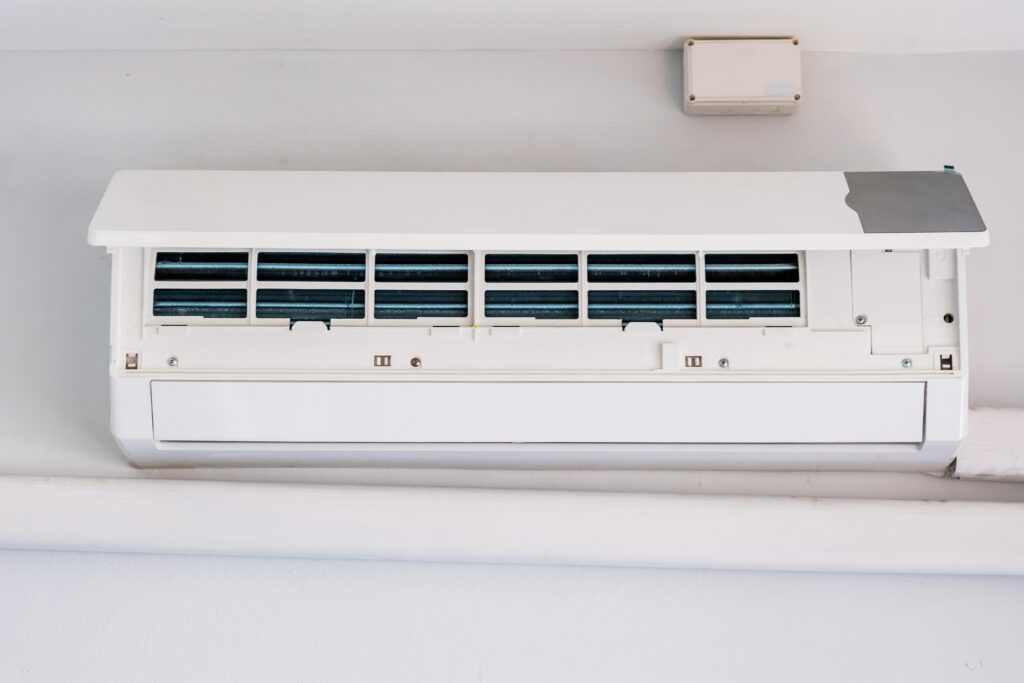
Mini Split Installation Fits Any Florida Home Addition Layout
Home additions come in every configuration imaginable, and mini split systems are flexible enough to match all of them. A converted sunroom with three walls of glass has a very different heat load than an insulated bedroom addition, and mini splits are available in capacities that suit both. Wall mounted air handlers are the most common choice and work well in most additions. Ceiling cassette units disappear into the ceiling for a cleaner look in finished living spaces. Floor mounted units fit rooms with low knee walls or large windows where wall space is limited. Concealed duct units can even hide inside a soffit and serve two small rooms at once. This range of indoor unit styles means the system adapts to your addition instead of forcing your design to adapt to the equipment. Your installer matches the unit type to the room during the initial consultation.
Multi zone capability makes mini splits especially valuable for larger additions like in law suites and garage apartments. A single outdoor condenser can support two, three, or even more indoor air handlers, each controlling its own zone. An in law suite with a bedroom and a living area can have independent temperature control in each room from one outdoor unit. Your mother in law keeps her bedroom at 72 while the sitting room stays at 76, and both zones run efficiently. This zoning is impossible to achieve affordably with a ducted system serving the same space. Each occupant controls their own comfort with a dedicated remote or phone app. Multi zone setups also keep the exterior of your home clean because one condenser replaces what would otherwise be multiple outdoor units. Flexibility like this is why builders across Central Florida now specify mini splits for additions by default.
The speed and cleanliness of mini split installation matter when you are finishing an addition project. By the time an addition is nearing completion, most homeowners are exhausted by contractors, dust, and construction delays. A mini split installation adds one day to the timeline, not weeks. There is no drywall demolition in the existing house, no attic work spreading insulation dust, and no reframing to route ducts. The crew mounts the indoor unit, sets the outdoor condenser, connects the line set through a small wall penetration, and commissions the system. Permits and inspections are straightforward because the system is self contained. Legion Cooling handles the entire process from load calculation to final startup. Your addition gets professional climate control without extending the construction headache.
Mini Split Comfort Makes a Home Addition Livable Year Round
Comfort in a Florida addition means more than hitting a temperature number, and mini splits deliver on every dimension that matters. Humidity control is the big one. Central Florida humidity regularly sits above 70 percent in summer, and additions with lots of glass or exterior exposure collect moisture fast. Mini splits excel at dehumidification because their variable speed operation keeps the coil cold for long, steady run times that wring moisture out of the air. Many models include a dedicated dry mode that prioritizes humidity removal. A drier room feels cooler at higher temperatures, which saves energy on top of feeling better. Moisture control also protects the addition itself from mildew, warped trim, and musty odors. In Florida, humidity management is half the comfort equation, and mini splits handle it natively.
Noise is the next comfort factor, and it is where mini splits embarrass every alternative. Indoor air handlers operate as quietly as 19 to 26 decibels on low settings, which is quieter than a whisper. Window units, by comparison, often run at 50 to 60 decibels, roughly the volume of a normal conversation happening constantly in the corner of the room. If your addition is a bedroom, home office, or media room, that difference defines the usability of the space. The outdoor condenser is quiet as well, typically around 50 to 60 decibels measured right next to it, so it will not disturb your patio or your neighbors. Video calls, sleeping guests, and movie nights all happen without a droning compressor in the background. Quiet comfort is standard equipment on a mini split.
Air quality rounds out the comfort picture, and it matters more in additions than people expect. New construction materials release compounds into the air, and rooms with heavy outdoor exposure collect pollen and dust. Mini split air handlers include multi stage filtration that captures dust, pollen, and other airborne particles as air circulates. Some models add washable filters and even filtration layers designed to reduce odors and allergens. Because the system runs long, gentle cycles, air in the addition gets filtered continuously rather than in short bursts. Cleaner air means fewer allergy flare ups and a fresher smelling room. Concerned about allergens and humidity in your home? Click here for our indoor air quality services. Year round livability is the whole point of building an addition, and a mini split is what makes it real.
Why You Need Professional Mini Split Installation From Legion Cooling
A mini split only performs as well as its installation, and this is where cutting corners costs homeowners real money. Incorrect sizing, sloppy refrigerant work, and poor line set connections cause the majority of mini split failures we see across Central Florida. Manufacturer warranties typically require professional installation, so a DIY job can void your coverage on day one. Professional installation also ensures proper permitting, correct electrical work, and code compliance for garage and addition applications. Legion Cooling installs mini splits in Winter Garden, Clermont, Windermere, Apopka, and communities across the Orlando area. One correct installation delivers 15 to 20 years of reliable comfort.
Professional Mini Split Sizing Gets Your Installation Right the First Time
Sizing a mini split is a calculation, not a guess, and professionals get it right where guesswork fails. A proper load calculation accounts for square footage, ceiling height, insulation levels, window area, sun exposure, and how the space will be used. A west facing garage with a metal door needs far more capacity than a shaded, insulated addition of the same size. Online calculators and rules of thumb miss these details constantly. An undersized system runs nonstop, never reaches temperature, and burns out early. An oversized system short cycles, fails to dehumidify, and leaves the room cold but clammy.
Refrigerant work is the technical heart of a mini split installation, and it demands professional tools and training. The line set must be flared, connected, pressure tested with nitrogen, and evacuated with a vacuum pump before refrigerant ever flows. Skipping or rushing the evacuation leaves moisture in the lines, which forms acid and destroys the compressor over time. Charge levels must match the line set length exactly. These steps require gauges, vacuum pumps, and certification that homeowners simply do not have. A licensed technician completes them correctly in one visit.
Electrical and code requirements close out the case for professional installation. Mini splits need a dedicated circuit, a disconnect box at the condenser, and wiring sized to the equipment specifications. Garage installations must meet specific Florida code provisions, and additions require permits that inspectors will actually check. Legion Cooling is licensed and insured, and we handle permitting as part of the job. You get straightforward quotes with no hidden fees before any work begins. A professional installation protects your warranty, your home, and your investment.
Ongoing Mini Split Maintenance Keeps Your System Running Strong
Mini splits are low maintenance, but they are not zero maintenance, and Florida conditions make upkeep essential. Washable filters in the indoor unit should be cleaned every four to six weeks during heavy summer use. Dirty filters choke airflow, reduce cooling output, and force the system to work harder. The condensate drain line also needs attention because Florida humidity produces gallons of condensate daily. A clogged drain backs water up into the air handler and onto your wall.
Professional maintenance goes deeper than what a homeowner can do with a filter rinse. A technician cleans the indoor coil and blower wheel, where dust and biological growth accumulate in humid climates. The outdoor condenser coil gets cleaned of grass clippings, dirt, and debris that block heat transfer. Refrigerant pressures, electrical connections, and drain function all get checked and verified. These inspections catch small problems before they become compressor failures.
Annual professional service pays for itself in efficiency and lifespan. A clean, properly charged mini split uses less electricity every single day it runs. Neglected systems can lose 5 percent or more of their efficiency each year as coils foul and charge drifts. Maintenance also keeps most manufacturer warranties valid, since many require documented professional service. Legion Cooling offers maintenance for mini splits alongside our full range of HVAC services. Protect your system and it will protect your comfort for two decades.
Why Choose Legion Cooling for Your Mini Split Installation
Legion Cooling is a family owned company based right here in Winter Garden at 1334 Winter Green Way. We are faith driven and built on honest expert service, which means we recommend what your home actually needs and nothing more. Every quote is straightforward with no hidden fees, so the price we give is the price you pay. We are licensed and insured for every installation we perform. Our team lives and works in the same Central Florida communities we serve. Integrity is not a slogan for us; it is how we operate every day.
Our service area covers the neighborhoods where garage conversions and additions are booming. We install mini splits in Winter Garden, Horizon West, Windermere, Dr. Phillips, Clermont, Minneola, Ocoee, Apopka, Kissimmee, Celebration, and communities across the greater Orlando area. Local experience matters because we know how Florida heat, humidity, and building codes affect these systems. We size every installation with a real load calculation, not a guess. Our technicians are committed to getting it done right every time. When we leave, your system works exactly as promised.
Financing is available, so a mini split installation fits your budget without draining your savings. We walk you through equipment options, efficiency ratings, and placement so you make an informed decision. After installation, we stand behind our work and remain available for maintenance and service for the life of the system. Call Legion Cooling at (321) 316-2422 or email info@legioncooling.com to schedule your free estimate. Your garage or addition can be cool before the next heat wave hits. Trust the local team that treats your home like our own.