How to Tell If Your AC Is the Right Size for Your Home
Florida summers put every air conditioner to the test, and an AC that is the wrong size will fail that test in ways that cost you money. Many Central Florida homeowners assume a bigger unit always cools better, but that is one of the most expensive myths in the HVAC industry. An oversized AC cools the air too fast and shuts off before it removes humidity, while an undersized AC runs constantly and never catches up. Both problems drive up your energy bills, wear out your equipment, and leave your home uncomfortable during the hottest months of the year. The good news is that your air conditioner gives you clear signals when it is the wrong size for your home. You just need to know what to look for and what to do about it. In this guide, we explain the warning signs of a wrong sized AC, how professionals calculate the right AC size, and why a proper sizing assessment matters. If your cooling system is struggling this summer, this article will help you figure out why.
Signs Your AC Is the Wrong Size for Your Home
Your air conditioner communicates through its behavior, and a wrong sized unit behaves in predictable ways. The three biggest warning signs are short cycling, high indoor humidity, and uneven cooling from room to room. Homeowners often blame these problems on age or a broken part, but sizing is frequently the true culprit. A unit that was never matched to your home correctly will show these symptoms from day one, and the problems get worse as the equipment ages. Pay attention to how long your system runs, how your air feels, and how consistent temperatures are throughout the house. Each of these clues points to a specific sizing problem. Noticing an issue with your cooling? Click here for our air conditioning services and let us take a look.
Short Cycling Is a Sign Your AC Is the Wrong Size
Short cycling means your air conditioner turns on, runs for a few minutes, and shuts off before completing a full cooling cycle. A properly sized AC should run for about 15 to 20 minutes per cycle during a typical Florida afternoon. An oversized unit blasts cold air into your home, hits the thermostat setting quickly, and shuts down within five to ten minutes. That might sound efficient, but it is actually the opposite. Air conditioners draw the most electricity during startup, so a unit that starts dozens of extra times per day consumes far more power than one that runs steady, longer cycles. Short cycling also puts enormous mechanical stress on the compressor, which is the most expensive component in your entire system. Compressors that endure constant starts and stops fail years earlier than they should. If you hear your outdoor unit kicking on and off all afternoon, your AC is likely too big for your home.
Undersized systems create the opposite pattern, and it is just as damaging. An AC that is too small runs almost nonstop on hot days because it can never reach the temperature you set. You might notice the thermostat reads 78 degrees while it is set to 74, and the system just keeps running. Constant operation wears out the blower motor, the fan, and the compressor at an accelerated rate. Your energy bill climbs every month because the system never gets a break. The house feels warm even though the AC never stops working. Many homeowners in Winter Garden and the surrounding areas discover their unit was undersized when their home had an addition built without upgrading the cooling system. The original AC was sized for a smaller space and simply cannot handle the extra square footage.
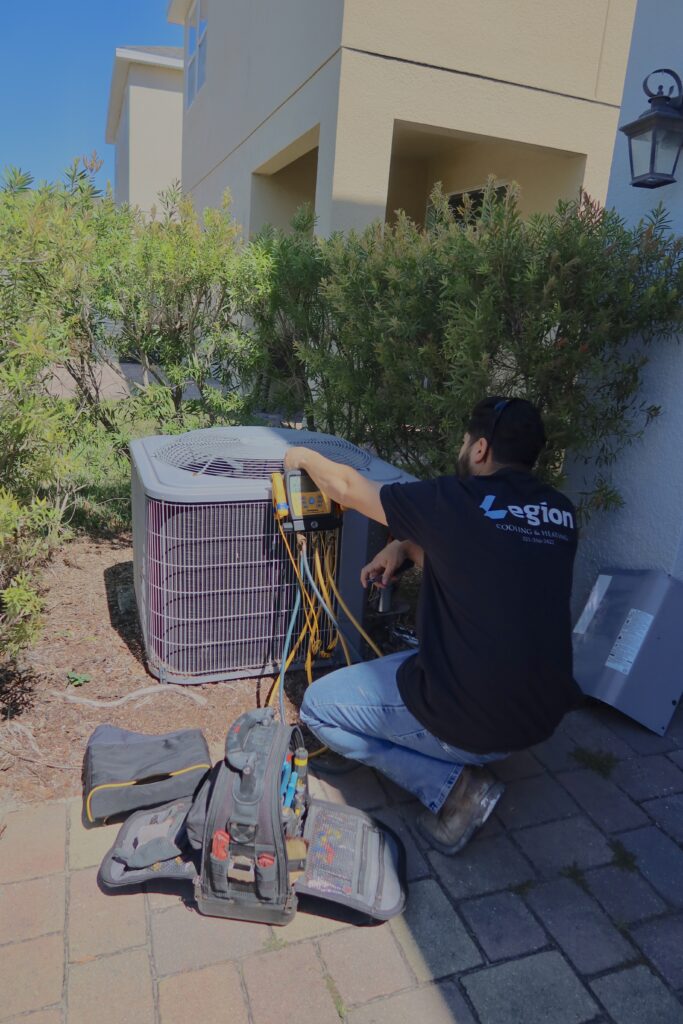
Tracking your cycle times is a simple test any homeowner can do. Pick a hot afternoon, set your thermostat to your normal temperature, and time how long the system runs before shutting off. Then time how long it stays off before starting again. Cycles shorter than ten minutes suggest an oversized unit, and a system that never shuts off suggests an undersized one. Write down your observations over a few days so you have real data to share with a technician. This information helps a professional diagnose the problem faster and more accurately. Cycle behavior alone does not confirm a sizing issue, since refrigerant leaks and dirty coils can cause similar symptoms. That is why a professional inspection is the next step after you notice a pattern. A trained technician can separate a sizing problem from a repair problem in a single visit.
High Humidity Shows Your AC Is the Wrong Size for Your Home
Humidity control is one of the most important jobs your air conditioner performs, especially in Central Florida. Cooling and dehumidification happen at the same time when your system runs a full cycle. Warm, moist indoor air passes over the cold evaporator coil, and moisture condenses out of the air and drains away. This process takes time, and the system needs to run long enough for meaningful moisture removal to occur. An oversized AC cools the air so quickly that it shuts off before pulling much humidity out. The result is a home that feels cold and clammy at the same time. Your thermostat might read 73 degrees, yet the air feels sticky and heavy. That damp, cave-like feeling is a classic symptom of an air conditioner that is too large for the space.
Excess indoor humidity causes problems far beyond discomfort. Sustained humidity above 60 percent creates ideal conditions for mold and mildew growth inside walls, closets, and air ducts. Dust mites thrive in humid environments, which worsens allergies and asthma symptoms for your family. Wood floors, furniture, and trim can warp or swell when moisture levels stay high. Musty odors develop in bathrooms, laundry rooms, and other enclosed spaces. You may also notice condensation on windows, ceiling stains, or peeling paint over time. These issues cost real money to fix, and they all trace back to an AC that cannot manage moisture properly. Concerned about mold, allergens, or musty air in your home? Click here for our indoor air quality services.
A hygrometer is an inexpensive tool that measures indoor humidity, and every Florida homeowner should own one. Ideal indoor humidity falls between 40 and 55 percent during cooling season. Take readings in several rooms at different times of day and track the numbers for a week. Consistent readings above 60 percent while your AC is running point to a sizing or performance problem. Compare how the air feels right after a cooling cycle ends; sticky air after the system shuts off suggests the cycle was too short to dehumidify. Right sized equipment maintains comfortable humidity without any extra devices in most homes. Some homes with unusual moisture loads benefit from a dedicated dehumidifier, but sizing the AC correctly should always come first. A professional can measure your humidity performance and tell you exactly what is going on.
Uneven Cooling Means Your AC Is the Wrong Size
Hot and cold spots throughout your home are another strong indicator of a sizing problem. A correctly sized air conditioner runs long enough to circulate conditioned air into every room, including bedrooms at the end of long duct runs. Oversized units shut off before air fully reaches distant rooms, so the spaces near the thermostat feel fine while back bedrooms stay warm. Upstairs areas suffer the most because heat naturally rises and short cycles never push enough cool air to the second floor. You might find yourself lowering the thermostat just to make one room bearable, which freezes out the rest of the house. That thermostat battle wastes energy every single day. Families often blame the room itself, adding fans or window units, when the real problem is the central system. Uneven temperatures are a symptom worth investigating, not a quirk to live with.
Undersized systems produce uneven cooling for a different reason. A unit that lacks capacity prioritizes nothing; it simply cannot produce enough cool air for the whole house. Rooms with big windows, western sun exposure, or poor insulation fall behind first. Kitchens heat up fast during cooking and never recover. Bonus rooms over garages are notorious trouble spots because they gain heat from three sides. On mild days the system might keep up everywhere, but the hottest July afternoons expose the capacity shortfall room by room. If your comfort problems appear only during peak heat, an undersized system is a likely suspect. Seasonal patterns like this are valuable clues for your HVAC technician.
Ductwork problems can mimic sizing problems, so both need evaluation together. Leaky ducts lose cooled air into the attic before it ever reaches your rooms. Crushed, undersized, or poorly routed ducts choke airflow to specific areas of the home. A technician should inspect the duct system whenever uneven cooling is the complaint, because fixing ducts is sometimes cheaper than replacing equipment. In other cases, the ducts are fine and the equipment capacity is truly wrong. Testing separates the two causes so you spend money on the correct fix. Legion Cooling checks airflow, static pressure, and duct condition as part of a complete evaluation. Think your ducts might be part of the problem? Click here for our air duct services.
How HVAC Professionals Determine the Right AC Size for Your Home
Professional AC sizing follows an engineering process, not a guess based on square footage alone. The industry standard is called a Manual J load calculation, developed by the Air Conditioning Contractors of America. This calculation accounts for every factor that affects how much heat your home gains, from window orientation to insulation levels to the number of people living there. Air conditioner capacity is measured in tons, and one ton equals 12,000 BTUs of cooling per hour. Most Central Florida homes need between two and five tons depending on size and construction. Contractors who skip the load calculation and simply match your old unit often repeat a sizing mistake made decades ago. Understanding this process helps you ask the right questions when it is time for a new system. A few minutes of homework protects an investment that should last 15 years or more.
Manual J Load Calculations Determine the Right AC Size
A Manual J load calculation is a room by room analysis of how much heat your home gains on a design day. The technician measures the square footage of every room, then records ceiling heights, window sizes, and window types. Insulation levels in the attic, walls, and floors get documented because insulation directly controls heat transfer into the living space. The direction your home faces matters too, since west facing walls and windows absorb intense afternoon sun. The calculation also includes heat generated inside the home from appliances, lighting, and the people who live there. Local climate data for Central Florida sets the outdoor design conditions the system must handle. All of these inputs produce a precise cooling load number in BTUs. That number, not a rule of thumb, determines the correct equipment size.
Rules of thumb like one ton per 500 square feet cause most sizing mistakes in the industry. Two homes with identical square footage can have very different cooling loads. A well insulated home with shaded, energy efficient windows might need a three ton system. The same size home with an uninsulated attic and single pane windows facing west could need four tons or more. Older homes in the Orlando area often carry outdated assumptions from their original construction. Renovations, new windows, added insulation, and room additions all change the load over time. A load calculation performed today reflects your home as it actually exists. Guesswork reflects nothing but habit, and habit is how oversized systems keep getting installed.
Homeowners should expect a real load calculation before any replacement quote, and it is fair to ask for one. A legitimate calculation requires measurements taken inside your home, not a five minute glance from the driveway. Ask the contractor to show you the inputs and the resulting load number. Software makes this process fast for a trained technician, so there is no excuse for skipping it. Straightforward quotes should explain exactly why a specific tonnage was selected. Legion Cooling believes in honest, transparent sizing because the right system protects your comfort and your budget for years. If a contractor cannot explain their sizing math, keep shopping. Your home deserves better than a guess.
Square Footage and AC Tonnage for the Right AC Size
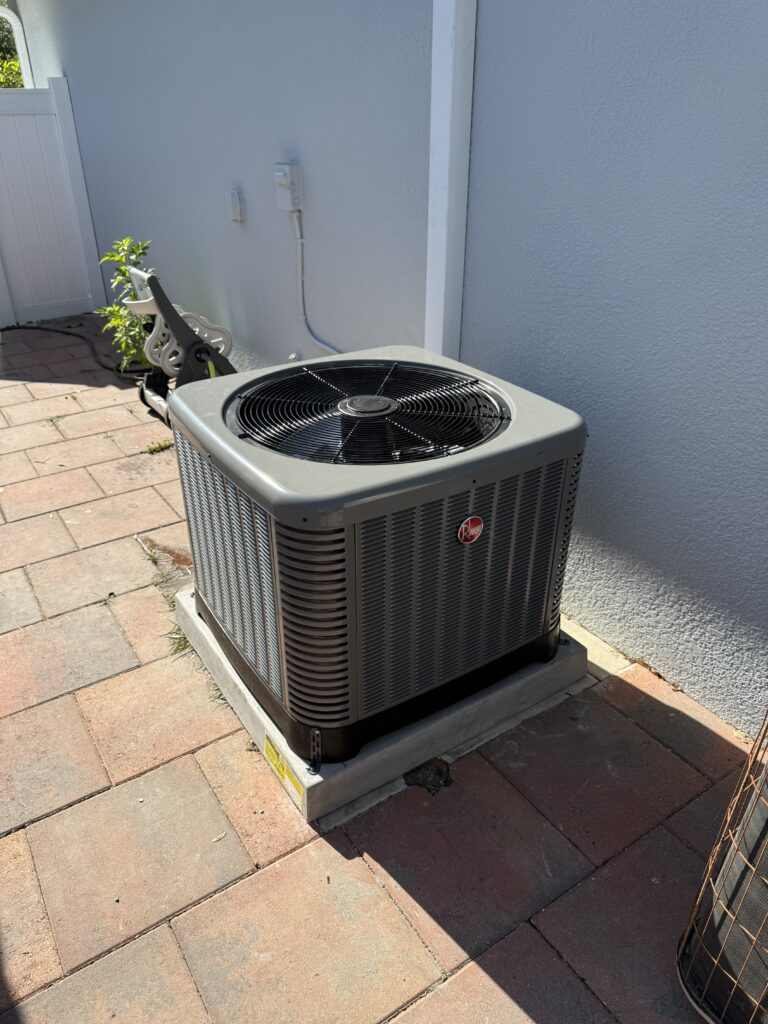
Square footage is the starting point for sizing, but it is only one input among many. Air conditioner tonnage describes cooling capacity, and residential systems typically range from 1.5 tons to 5 tons. In Florida, a very rough range is 400 to 600 square feet per ton, but the correct number for your home depends on the full load calculation. A 2,000 square foot home could land anywhere from 3 tons to 5 tons based on construction quality alone. Ceiling height changes the math because taller rooms hold more air volume to cool. Open floor plans behave differently than homes chopped into small rooms. This is why two neighbors with similar houses sometimes need different equipment. Square footage narrows the range; the details pick the number.
Heat gain sources within your home shift the tonnage requirement in ways homeowners rarely consider. Large windows without low emissivity coatings act like heat collectors all afternoon. Skylights add light and heat in equal measure. Kitchens with frequent cooking, laundry rooms with hot dryers, and home offices full of electronics all raise the internal load. Each additional occupant adds body heat that the system must remove. Even the color of your roof plays a role, since dark shingles absorb more solar energy than light ones. Florida homes face some of the highest solar heat gain in the country. A proper calculation weighs every one of these factors before selecting equipment.
Matching tonnage to load pays off in comfort and cost for the life of the system. A correctly sized unit runs long, efficient cycles that hold steady temperatures and healthy humidity. Energy consumption drops because the equipment operates in its designed sweet spot. Components last longer without the strain of short cycling or constant running. Warranty claims and repair calls become less frequent. Resale value benefits too, since home inspectors and buyers notice a well matched, well maintained HVAC system. Right sizing is one of the highest value decisions you will make about your home. It costs nothing extra to size correctly; it only requires a contractor who takes the time.
Ductwork and Insulation Affect the Right AC Size for Your Home
Your duct system must match your equipment, or even a perfectly sized AC will underperform. Ducts that are too small restrict airflow and force the blower to work against high static pressure. Restricted airflow reduces cooling output, stresses the motor, and can freeze the evaporator coil. Leaky ducts are even more common in Central Florida attics, where connections loosen and seals fail in the heat. Studies show typical duct systems leak 20 to 30 percent of their conditioned air. That means a 4 ton system might deliver only 3 tons of cooling into your rooms. Sealing and properly sizing ductwork can restore capacity you already paid for. Any honest sizing assessment includes a hard look at the ducts.
Insulation levels determine how fast your home gains heat, which directly changes the required AC size. Attic insulation matters most in Florida because attics reach 130 degrees or more on summer afternoons. Homes with insulation below R-30 in the attic gain heat rapidly and demand more cooling capacity. Upgrading attic insulation before replacing your AC can sometimes reduce the tonnage you need. A smaller, less expensive system in a better insulated home often outperforms a bigger system in a leaky one. Wall insulation, air sealing around doors and windows, and attic ventilation all contribute to the load. Smart homeowners address the building envelope and the equipment together. That combined approach delivers the lowest bills and the best comfort.
Timing insulation and duct improvements around an AC replacement maximizes your investment. If your system is nearing the end of its life, schedule an evaluation before the unit fails in the middle of July. A technician can calculate your current load, identify envelope improvements, and recalculate the load after upgrades. This sequence prevents you from buying more tonnage than your improved home will need. Financing options can make it practical to handle equipment and efficiency upgrades in one project. Legion Cooling provides straightforward quotes with no hidden fees so you can plan with confidence. The right size system in a tightened home is the gold standard for Florida cooling. Planning ahead gets you there without the stress of an emergency replacement.
Why You Need a Professional AC Sizing Assessment
Guessing about AC size is a gamble with thousands of dollars and years of comfort on the line. A professional sizing assessment removes the guesswork with real measurements, load calculations, and a full inspection of your equipment and ducts. Summer is the season when sizing problems reveal themselves, which makes right now the perfect time to get answers. An assessment tells you if your current system is mismatched, if repairs can help, or if replacement makes financial sense. It also arms you with facts before any contractor tries to sell you a system based on a guess. Ready to find out if your AC is the right size? Click here for our air conditioning services and schedule your assessment today.
A Professional AC Sizing Assessment Saves Money on Energy Bills
Cooling accounts for the largest share of a Florida home’s electric bill, often 40 percent or more during summer. A wrong sized system inflates that number every single month. Oversized units waste power through constant starts, and undersized units waste power through endless running. Correcting a sizing problem routinely cuts cooling costs by 20 to 30 percent. Over a 15 year equipment life, those savings add up to thousands of dollars. An assessment costs a tiny fraction of what a sizing mistake costs.
The assessment identifies quick wins alongside the big picture. A technician may find duct leaks that can be sealed in a single visit. Refrigerant charge, coil cleanliness, and airflow all get checked, and small corrections improve efficiency immediately. You receive a clear report on what your home needs instead of a sales pitch. Prioritized recommendations let you fix the most cost effective items first. Knowledge like this pays for itself before the first summer bill arrives.
Energy savings continue growing as electricity rates rise across Florida. A system matched to your home locks in efficiency for its entire lifespan. Utility rebates and manufacturer incentives often reward properly sized, high efficiency installations. Financing is available at Legion Cooling, so the right system fits your budget from day one. Lower bills, better comfort, and fewer repairs all flow from one correct decision. That decision starts with an accurate assessment.
A Professional AC Sizing Assessment Extends Equipment Life
Air conditioners are built to last 12 to 15 years in Florida, but wrong sized units rarely make it that far. Short cycling destroys compressors, and compressors cost thousands to replace. Constant running burns out blower motors, capacitors, and fan bearings ahead of schedule. Every premature failure means repair bills and days without cooling in brutal heat. Sizing problems are the hidden cause behind many repeat repair calls. Fixing the root cause protects the whole system.
An assessment catches stress damage before it becomes a breakdown. Technicians measure amp draws, refrigerant pressures, and temperature splits that reveal how hard your system is working. Early warning lets you plan repairs or replacement on your schedule instead of during a heat wave emergency. Emergency replacements cost more and limit your equipment choices. Planned decisions give you time to compare options and secure financing. Peace of mind is a real benefit when July temperatures hit the high 90s.
Proper sizing also protects your manufacturer warranty. Many warranties require correct installation and matched components to remain valid. Documentation from a professional assessment supports any future warranty claim. Regular maintenance combined with correct sizing gives your system its best shot at a long, trouble free life. Your equipment is a major investment, and it deserves that protection. One assessment today prevents years of avoidable wear.
Why Choose Legion Cooling for Your AC Sizing Assessment
Legion Cooling is a family owned, faith driven HVAC company based in Winter Garden, Florida. We are licensed and insured, and we serve homeowners across Central Florida with honest, expert service. Our team performs real load calculations and complete system inspections, never driveway guesses. We believe integrity matters in every measurement we take and every recommendation we make. When we tell you what size system your home needs, that answer is backed by math you can see. Locally owned and operated means we answer to our neighbors, not a corporate office.
Straightforward quotes with no hidden fees are a core promise at Legion Cooling. You will know exactly what we found, what we recommend, and what it costs before any work begins. Financing is available to make the right system affordable for your family. We are committed to getting it done right every time, from the first measurement to the final walkthrough. Our reviews from Winter Garden, Clermont, Windermere, and communities across Central Florida reflect that commitment. Honest work builds trust, and trust builds the relationships we value most.
Do not spend another summer fighting an air conditioner that was never right for your home. Call Legion Cooling at (321) 316-2422 to schedule your AC sizing assessment. You can also email us at info@legioncooling.com or visit us at 1334 Winter Green Way, Winter Garden, FL 34787. Our team will evaluate your system, calculate your home’s true cooling load, and give you clear answers. The right size AC changes everything about how your home feels in July. Let our family take care of yours.