
What That Musty Smell From Your Vents Really Means
A musty smell coming from your vents is one of the most common complaints homeowners report during the humid Florida months. That damp, earthy odor is not just unpleasant; it is a warning sign that something inside your HVAC system needs attention. In most cases, the smell points to moisture buildup, mold growth, or trapped debris somewhere in the air handler, ductwork, or drain line. Ignoring the issue allows the contamination to spread, which can affect indoor air quality and trigger allergy symptoms for everyone in the household. Understanding the source of the odor helps you take the right steps before the problem grows into a costly repair. Legion Cooling helps homeowners across Central Florida identify and resolve musty vent smells with proven diagnostic methods. The sooner you act, the better your air quality will be.
Common Causes of a Musty Smell From Your Vents
A musty smell from your vents almost always traces back to moisture inside the system. Florida humidity creates the perfect environment for mold, mildew, and bacteria to thrive inside ducts, coils, and drain pans. When warm, damp air meets cool surfaces inside your air conditioner, condensation forms and lingers; over time, that moisture feeds biological growth. Dust and organic debris add fuel to the problem by giving microbes something to cling to and consume. Clogged drain lines, dirty evaporator coils, and oversized systems that short cycle are some of the most common culprits. Pinpointing the exact source requires a closer look at each major component, which is exactly what a trained HVAC technician does during a diagnostic visit.
The Musty Smell From Your Vents Linked to a Dirty Evaporator Coil
The evaporator coil sits inside your air handler and pulls heat and moisture out of the air as it passes through. Over months of operation, dust, pet dander, and airborne particles stick to the wet surface of the coil and build up into a thick layer of grime. That layer holds moisture long after the system shuts off, creating an ideal breeding ground for mold and mildew. As air passes through the contaminated coil, it picks up the musty odor and carries it through the ductwork into every room. Homeowners often notice the smell is strongest right when the system kicks on, then fades slightly as the air keeps moving. This pattern is a strong clue that the coil itself is the source of the problem.
Cleaning a dirty evaporator coil is not a do-it-yourself project, since the fins bend easily and the chemicals used must be safe for the metal and refrigerant lines. A professional technician will shut down the system, access the coil through the air handler cabinet, and apply a coil cleaner designed to break down biological buildup. After the cleaner does its work, the coil is rinsed and dried, and the drain pan below is flushed to remove anything that washed off. Once the coil is clean, the musty smell usually disappears within a day or two of normal operation. Regular maintenance prevents the buildup from returning and keeps the coil working at peak efficiency. A clean coil also lowers your energy bills by improving heat transfer.
If your evaporator coil has been neglected for several years, cleaning alone may not be enough to restore performance. Heavy biological growth can corrode the aluminum fins and copper tubing, leading to small leaks that release refrigerant over time. In those cases, a technician may recommend coil replacement instead of repeated cleanings. Replacing the coil also gives you a chance to upgrade to a model with antimicrobial coating, which slows future growth. Either way, addressing the coil early saves money and protects your indoor air quality. Need help with a dirty coil or musty smell? Click here for our air conditioning service.
The Musty Smell From Your Vents Caused by a Clogged Condensate Drain Line
The condensate drain line carries water away from the evaporator coil and out of your home, usually through a PVC pipe that exits near the outdoor unit or a utility area. When that line gets clogged with algae, slime, or debris, water backs up into the drain pan and sits there for days or weeks. Stagnant water inside a warm, dark drain pan is one of the fastest ways to grow mold and bacteria. The smell from that stagnant water rises through the air handler and gets pulled into the supply air, then pushed out through your vents. Many homeowners describe the odor as a wet basement smell or a sour, swampy scent. In severe cases, the overflow can also damage drywall, flooring, or ceilings below the air handler.
Clearing a clogged condensate drain line is a routine service that most HVAC companies perform during seasonal tune-ups. A technician uses a wet/dry vacuum at the outdoor termination point to pull out the blockage, then flushes the line with a cleaning solution to kill any remaining growth. Some systems include a float switch that shuts down the air conditioner when water rises too high, which prevents flooding but does not stop the smell. If the float switch keeps tripping, that is a clear sign the drain line needs immediate attention. Homeowners can pour a small amount of distilled white vinegar into the access port every few months to help prevent buildup between professional visits. This simple step adds years of trouble-free operation to the drainage system.
Older drain lines that have not been cleaned in a long time may need more than a quick vacuum. Built-up sludge can harden inside the pipe and require pressurized flushing or even partial pipe replacement to fully clear. A technician will also inspect the slope of the line, since a flat or backward-pitched pipe will keep clogging no matter how often you clean it. Correcting the slope or adding a cleanout port makes future maintenance much easier. If you have noticed water near your air handler along with a musty smell, the drain line is almost certainly part of the problem. Want to schedule a drain line cleaning? Click here for our air conditioning service.
The Musty Smell From Your Vents Coming From Contaminated Air Ducts
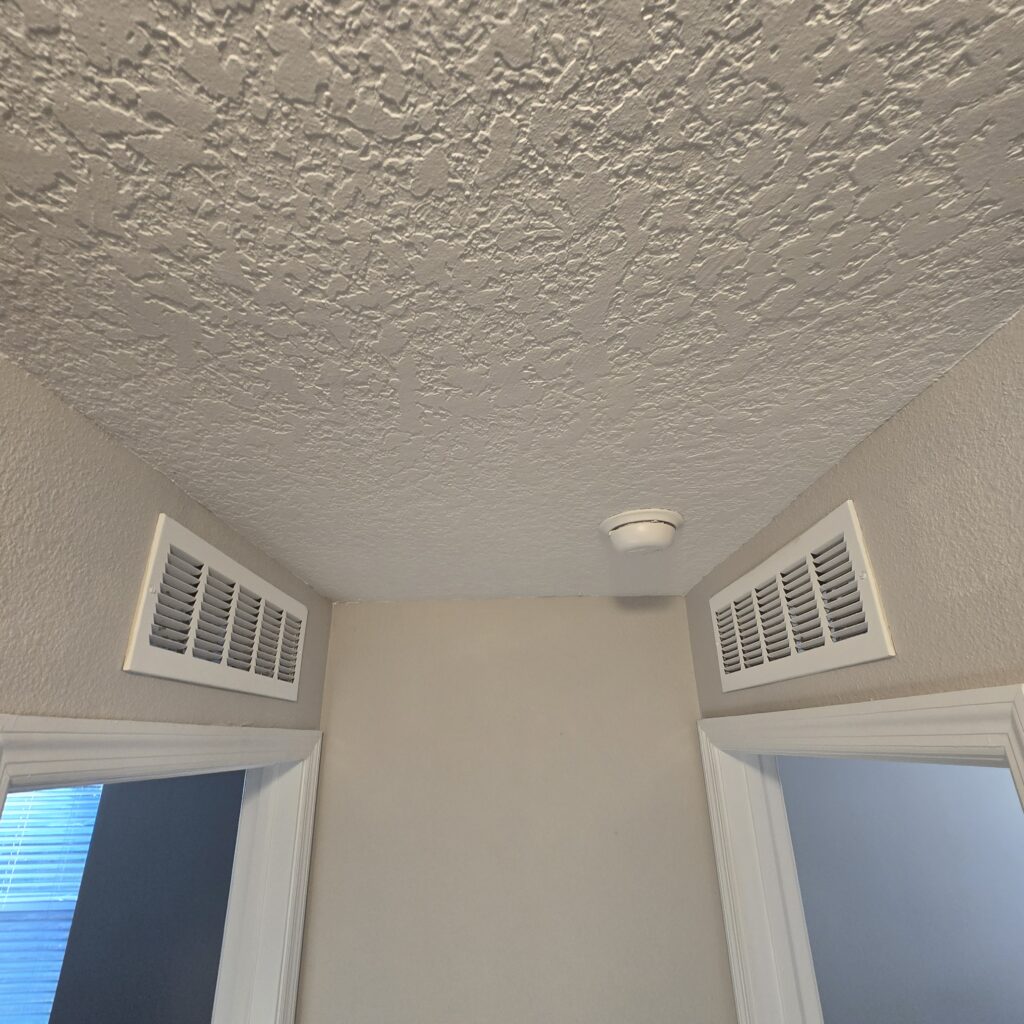
Air ducts run through attics, crawl spaces, and wall cavities, and they collect dust, pollen, and moisture over many years of use. When humidity sneaks into the ductwork through small leaks or poor insulation, mold spores find a home on the inner walls of the ducts. Flexible ducts with torn liners or metal ducts with rusted seams are especially prone to harboring biological growth. Every time the blower kicks on, contaminated air gets pushed through the duct system and into your living spaces, carrying that musty odor with it. Pets, smoking, and high humidity all speed up how quickly ducts become a source of smell. Older homes with original ductwork are often the worst offenders.
Professional duct cleaning uses specialized equipment to scrub the inside of the duct walls and vacuum out decades of debris. The process involves sealing off vents, attaching a high-powered negative-pressure vacuum, and running rotating brushes through each duct run. Antimicrobial treatments can also be applied to kill mold spores and prevent regrowth. After a thorough cleaning, most homeowners notice an immediate improvement in both air quality and the smell coming from their vents. Cleaning every three to five years is a reasonable schedule for most Florida homes, though pets and allergies may call for more frequent service. Sealing duct leaks during the same visit also improves efficiency and prevents future contamination.
In some cases, ducts are too damaged to clean and need to be replaced instead. Crushed sections, torn liners, and disconnected joints all let attic air, insulation fibers, and pests into the system. Replacing old ductwork with properly sized, well-insulated runs solves the smell problem permanently and improves comfort throughout the home. New ducts paired with good sealing can also cut your cooling costs noticeably. If you suspect your ducts are the source of the musty smell, a professional inspection is the best next step. Click here for our air ducts service to learn more.
How a Musty Smell From Your Vents Affects Your Home and Health
A musty smell from your vents is more than a comfort issue; it points to indoor air quality problems that can affect everyone living in the home. Mold spores, bacteria, and microbial volatile organic compounds float through the air and end up in the lungs of every family member. People with asthma, allergies, or weakened immune systems often feel the effects first, with sneezing, coughing, headaches, or watery eyes. Pets can also show symptoms, including excessive scratching and respiratory issues. Beyond health concerns, the lingering smell soaks into furniture, clothing, and bedding, making the entire home feel unclean. Acting quickly protects both your family and your belongings.
A Musty Smell From Your Vents and Indoor Air Quality Problems
Indoor air quality depends on a balance of filtration, humidity control, and ventilation, and a musty smell signals that one or more of those areas is failing. Mold spores released into the air can settle on surfaces throughout the home and start new colonies in carpet, drywall, and upholstery. Florida homes already face high outdoor humidity, so any extra moisture inside the system pushes indoor levels into dangerous territory. Standard one-inch filters catch large particles but do little to stop microscopic spores or microbial volatile organic compounds. Upgrading to a media filter or adding a whole-house air purifier dramatically improves what the system removes from the air. Investing in indoor air quality equipment pays off in both health and home value.
UV germicidal lights installed inside the air handler kill mold and bacteria on the coil and in the air stream as it passes through. These lights are especially effective in humid climates like Central Florida, where the coil stays wet for long periods. A whole-house dehumidifier works alongside the air conditioner to keep indoor humidity between 40 and 50 percent, which is the range where mold cannot easily grow. Combining UV lights, better filtration, and dehumidification creates a layered defense against musty smells and biological growth. Each component does part of the job, and together they keep your air fresh year-round. A technician can recommend the right combination for your home size and lifestyle.
Carbon monoxide detectors, smart thermostats, and ventilation upgrades all play a role in a healthy indoor environment as well. Fresh outdoor air introduced through a controlled ventilator dilutes indoor pollutants without letting humidity spike. Smart thermostats track runtime and humidity levels, alerting you when something is off before the smell becomes obvious. Pairing these tools with regular maintenance gives you full control over the air your family breathes. Indoor air quality is not a luxury in Florida; it is essential to comfort and health. Click here for our indoor air quality service to explore your options.
A Musty Smell From Your Vents and Hidden Moisture Damage
Moisture that creates a musty smell often does damage long before you notice the odor. Water leaking from a clogged drain pan can soak into ceiling drywall, attic insulation, or subfloor materials, leading to stains, sagging, and rot. Mold growing inside walls is much harder and more expensive to remove than mold inside an air handler. Wood framing exposed to long-term moisture can warp, attract termites, and lose structural strength. Catching the moisture source early prevents thousands of dollars in restoration costs down the road. A thorough HVAC inspection often reveals damage that homeowners did not know existed.
Attic-mounted air handlers are especially vulnerable to hidden moisture problems because the unit sits above living spaces. A small drip from a rusted secondary drain pan can run down a vent boot and stain a bedroom ceiling weeks later. Regular inspections include checking the pan for rust, the float switch for function, and the surrounding insulation for dampness. Replacing a corroded pan or rerouting a poorly designed drain line costs far less than repairing water damage. Homeowners who skip seasonal maintenance often discover these issues only after the ceiling already shows stains. Preventive care is always cheaper than emergency repair.
Crawl space and closet installations have their own moisture risks, including poor ventilation and tight clearances that hide problems. Mold can grow on the cabinet itself, on nearby drywall, and even on stored items kept too close to the air handler. Keeping the area around the unit clean and dry, with at least a few feet of clearance, helps a technician spot problems early. Adding a condensate pump with a high-water alarm gives an extra layer of protection in low-lying installations. Combining good design with routine service keeps moisture under control and your air smelling fresh. Click here for our air conditioning service to schedule an inspection.
A Musty Smell From Your Vents and Long-Term System Wear
A musty smell is often a symptom of a system that is working harder than it should, which leads to faster wear on every component. A dirty coil reduces heat transfer, so the compressor runs longer to reach the set temperature; longer runtimes mean more electricity used and more strain on moving parts. A clogged drain line can trip the safety switch repeatedly, causing the system to short cycle and stress the contactor, capacitor, and compressor. Contaminated ducts force the blower motor to push against extra resistance, shortening its lifespan. All of these small problems add up to a system that fails years earlier than it should. Addressing the smell early protects your equipment investment.
Refrigerant lines, electrical connections, and sensors all suffer when the system runs in less-than-ideal conditions. Moisture sitting on metal surfaces accelerates corrosion, and corrosion eats through copper tubing over time, leading to refrigerant leaks. A leaking system runs warm, freezes the coil, and creates even more moisture and biological growth in a vicious cycle. Catching a small leak during a routine visit is a simple repair; catching it after the compressor burns out is a major expense. Annual maintenance includes pressure checks, electrical testing, and a full system inspection that catches these issues. Most homeowners who keep up with maintenance see their systems last 15 years or more.
The energy cost of running a contaminated system adds up quickly across a Florida summer. A coil with even a thin layer of grime can cut efficiency by 10 to 20 percent, which shows up directly on your electric bill. Multiply that loss across six months of heavy cooling and the savings from a single professional cleaning often pay for the service many times over. Combining cleaning with sealed ducts, a clean filter, and a working thermostat gives you the lowest possible operating cost. Comfort, air quality, and energy savings all improve at once. Click here for our air conditioning service to keep your system in top shape.
Why You Need Legion Cooling to Fix the Musty Smell From Your Vents
A musty smell from your vents is not something that goes away on its own, and home remedies rarely solve the underlying problem. Professional diagnosis is the only way to find the true source and fix it for good. Legion Cooling serves homeowners across Winter Garden, Horizon West, Clermont, Windermere, and the surrounding Central Florida communities with honest, expert HVAC service. Our team treats every home like our own and gives straightforward quotes with no hidden fees. From coil cleaning to duct repair to indoor air quality upgrades, we handle the full range of services needed to keep your air fresh. Reach out today and breathe easier tomorrow.
Why You Need Professional Diagnosis for a Musty Smell From Your Vents
A trained technician brings tools and experience that no homeowner can match when tracking down a musty smell. Moisture meters, borescope cameras, and combustion analyzers let us see inside ducts, coils, and drain pans without tearing anything apart. We follow a step-by-step process that rules out each possible source, starting with the easiest fixes and moving to the more complex ones. This approach saves time and money by avoiding unnecessary repairs. Every diagnostic visit ends with a clear explanation of what we found and what your options are.
Many smell problems involve more than one cause working together, which makes guesswork especially risky. A clogged drain line might be the obvious issue, but the dirty coil feeding water into that line is the deeper problem. Fixing one without the other leads to the smell returning within weeks. Our technicians look at the entire system as a whole and recommend repairs that address every contributing factor. This thorough approach is why so many of our customers stay with us for years.
Honest communication is at the core of everything we do at Legion Cooling. We tell you exactly what is wrong, what it will cost, and what will happen if you wait to fix it. There are no scare tactics, no pressure to upgrade, and no surprises on the invoice. You decide what gets done and when, with full information at every step. That kind of trust is hard to find in the HVAC trade, and we work hard to earn it every day.
Why You Need Regular Maintenance to Prevent Musty Smells From Your Vents
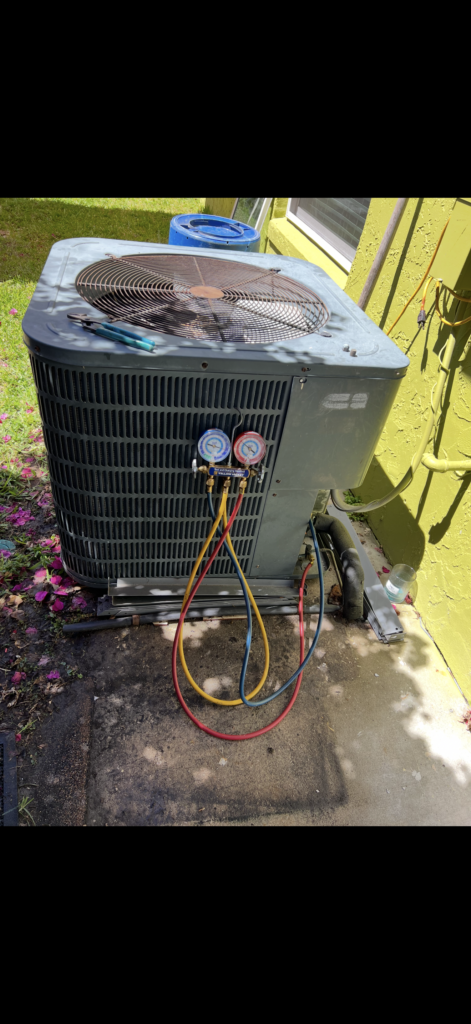
Seasonal maintenance is the single best way to keep musty smells from ever starting in the first place. A spring tune-up includes coil cleaning, drain line flushing, filter replacement, and a full system inspection that catches problems early. A fall visit prepares the system for the cooler months and checks for any moisture damage from heavy summer use. Together, those two visits keep the system clean, efficient, and odor-free year-round. Most homeowners find that maintenance pays for itself in lower energy bills and fewer repairs.
Maintenance plans take the guesswork out of scheduling and often include priority service and discounts on repairs. Our customers on a plan get reminded when it is time for service, so they never miss a visit during a busy season. Members also receive faster response times when something goes wrong, which matters most during the hottest Florida days. The peace of mind that comes with knowing your system is being watched closely is hard to put a price on. Joining a plan is one of the smartest decisions a homeowner can make.
Beyond the basics, maintenance visits give us a chance to spot small issues before they become big ones. A slightly loose electrical connection, a worn capacitor, or an early refrigerant leak can all be fixed cheaply during a routine visit. Catching those things later, after a breakdown, costs many times more and often happens at the worst possible moment. Regular service is preventive care for your home, just like routine checkups are for your health. Click here for our air conditioning service and ask about our maintenance plans.
Why You Need Legion Cooling for Honest, Expert HVAC Service
Legion Cooling is family owned, faith driven, and built on a foundation of integrity. We are licensed, insured, and committed to getting every job done right the first time. Our team lives and works in the same neighborhoods we serve, so the quality of our work follows us home. That accountability shapes every decision we make and every recommendation we give. When you call us, you get a real local company that cares about your comfort and your trust.
Financing options make it easier to take care of bigger repairs or replacements without straining your budget. We walk every customer through the available plans and help match the right option to the right situation. Straightforward quotes with no hidden fees mean you know exactly what you are paying for before any work begins. We believe honest pricing builds long-term relationships, and our growing list of repeat customers proves the approach works. Comfort should be affordable, and we work hard to keep it that way.
From Apopka to Kissimmee, from Lake Mary to Celebration, Legion Cooling proudly serves homeowners across Central Florida with the same level of care and expertise. Whether you need a quick drain line cleaning, a full duct replacement, or a new system installation, our team is ready to help. Call us at (321) 316-2422 or email info@legioncooling.com to schedule your service today. We look forward to earning your trust and clearing the air in your home. Click here for our services page to see everything we offer.