
How Ceiling Fans and AC Work Together for Lower Bills
Summer in Central Florida pushes air conditioning systems to their limits, and homeowners across Winter Garden often watch their electric bills climb right along with the temperature outside. Pairing ceiling fans with your air conditioner is one of the smartest ways to cut cooling costs without sacrificing comfort inside your home. Ceiling fans do not lower the actual room temperature; instead, they create a wind chill effect on your skin that makes the space feel several degrees cooler than the thermostat reads. That small shift in perception lets you raise the thermostat setting while still feeling just as comfortable, which means the air conditioner runs less often and uses less electricity. When used correctly, this simple combination can trim cooling expenses by a noticeable amount each month during the hottest stretches of the year. Understanding how the two systems complement each other is the first step toward a more efficient home and a lower power bill.
How Ceiling Fans and AC Work Together to Lower Cooling Bills
Ceiling fans and air conditioners serve very different roles, but when they operate at the same time, they form a partnership that stretches every dollar you spend on cooling. The air conditioner removes heat and humidity from the indoor air, while the ceiling fan circulates that cooled air and pushes it across the people in the room. This movement speeds up evaporation on your skin and creates the sensation of cooler air, even though the thermostat reading has not changed. Most energy experts agree that running a ceiling fan allows you to raise the thermostat by about four degrees without any loss in comfort. For Winter Garden homes that run the AC for eight or more months each year, that small adjustment adds up to meaningful savings.
Ceiling Fans and AC Work Together by Moving Cooled Air Efficiently
The air conditioner pulls warm, humid air from your home, cools it across the evaporator coil, removes moisture, and then delivers conditioned air back through the supply vents. Without help, that cooled air tends to settle near the floor while warmer air rises toward the ceiling, creating uneven temperatures from one corner of the room to another. A ceiling fan spinning in the proper direction blends those layers together, sending the cooled air outward and downward so it reaches the people in the room more quickly. This even distribution means the thermostat senses the target temperature sooner and shuts off the compressor faster than it would otherwise. Each shortened cooling cycle reduces electricity use, lowers wear on the system, and helps the home stay more consistently comfortable. Over the course of a long Florida cooling season, those small gains compound into significant savings on monthly bills.
Ceiling fans also help solve the common problem of hot spots in larger rooms, kitchens with big windows, or upstairs bedrooms that always seem warmer than the rest of the house. When air sits still, the AC has to work harder to push cooled air into those trouble areas, often by running longer cycles that drive up power consumption. A well-placed ceiling fan keeps that air moving, so the system does not have to overcompensate just to satisfy one warm room. Homeowners often notice that their thermostat readings become more accurate once fans are added to the mix, since the air around the sensor matches the temperature of the rest of the space. The result is a home that feels balanced from room to room without needing to drop the thermostat several degrees lower. That balance is one of the easiest ways to reduce strain on your cooling equipment.
The wind chill effect created by a ceiling fan is the heart of the savings story, and it is worth understanding exactly how it works. When moving air passes over your skin, it carries away the thin layer of warm air that naturally forms around your body, replacing it with cooler air and speeding up sweat evaporation. This process cools you directly, which is why a room with a fan running can feel comfortable at 78 degrees while the same room without a fan would feel stuffy at 74. Raising your thermostat by even three or four degrees during peak afternoon hours can cut cooling costs noticeably over a full billing cycle. The air conditioner runs for shorter periods, draws less electricity, and faces less wear from constant cycling. For families looking to lower bills without major upgrades, this is one of the most affordable changes available.
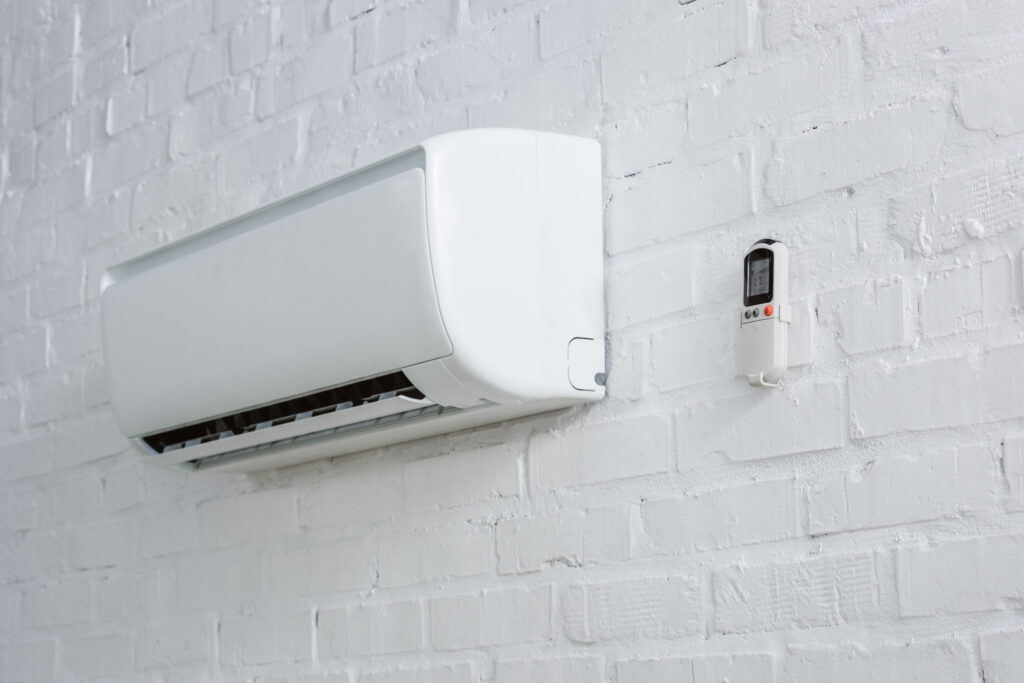
Ceiling Fans and AC Work Together to Reduce Compressor Runtime
The compressor inside your outdoor air conditioning unit is the single largest energy consumer in most Florida homes during the summer months. Every time it kicks on, it draws a significant surge of power, and the longer it runs, the more electricity it pulls from the grid and adds to your bill. Ceiling fans help by reducing the perceived need for cooler air, which allows the thermostat to be set higher and the compressor to cycle on less frequently. Shorter and less frequent compressor cycles mean lower energy draw, less stress on internal components, and reduced strain on the refrigerant lines. Homeowners who consistently pair fans with their AC often see their summer power bills drop without making any other changes. This is one of the few comfort upgrades that pays for itself quickly through monthly savings.
Reduced compressor runtime also extends the useful life of your air conditioning system, which matters in a climate as demanding as Central Florida. Compressors are expensive to replace, and constant cycling during long, hot summers accelerates wear on motors, contactors, capacitors, and refrigerant components. When ceiling fans help the system reach the target temperature faster, every part inside the unit gets a break it would not otherwise receive. That added rest time can push back the need for major repairs and delay full system replacement by several years. For homeowners trying to get the most out of their investment, pairing fans with the AC is a low-cost way to protect a high-cost appliance. The savings on repairs and replacement often outweigh the small electricity cost of running the fans themselves.
Ceiling fans use far less energy than air conditioners, which is why the math works so strongly in their favor. A typical ceiling fan draws somewhere between 15 and 90 watts depending on speed and size, while a central air conditioner can pull 3,000 to 5,000 watts or more while running. Even if you run the fan for hours, the cost is a small fraction of what the AC consumes in a single cooling cycle. That difference is what makes the partnership so effective; you spend a tiny amount of electricity on the fan to save a much larger amount on the air conditioner. Need help getting your cooling system running at peak efficiency? Click here for our air conditioning service. A well-tuned AC paired with properly used fans is the most reliable formula for low summer bills.
Ceiling Fans and AC Work Together Best With Proper Fan Direction
Most ceiling fans have a small switch on the motor housing that reverses the direction of the blades, and getting that setting right is essential for summer savings. During warm months, the blades should spin counterclockwise when you look up at the fan from below, which pushes air straight down into the room. This downward airflow is what creates the wind chill effect on your skin and allows you to raise the thermostat without losing comfort. If the fan is set to spin clockwise, it pulls air upward instead, which is useful in winter but works against you during cooling season. Checking and correcting fan direction takes only a minute and costs nothing, but it makes a measurable difference in how cool the room feels. Many homeowners are surprised to learn their fans have been spinning the wrong way for years.
Fan speed also matters when you are trying to maximize the partnership between ceiling fans and your air conditioner. On the hottest afternoons, running the fan on a medium or high setting creates stronger airflow and a more pronounced cooling sensation, which lets you raise the thermostat higher. On milder days or in the evening, a lower speed is usually enough to keep the room comfortable without creating a draft that feels too strong. Adjusting fan speed throughout the day, much like you would adjust the thermostat, helps match cooling output to actual conditions inside the home. This kind of fine-tuning is one of the easiest habits to build, and it pays off all summer long. A few seconds at the wall switch can save dollars every month.
It is also important to remember that ceiling fans cool people, not rooms, which means running them in empty spaces wastes electricity without providing any benefit. Turning fans off when you leave a room is a simple way to keep the savings strategy working in your favor rather than against it. Some homeowners install smart switches or fans with occupancy sensors to automate this step, which is especially helpful in homes with children or busy schedules. Pairing this habit with proper thermostat settings creates a cooling routine that is both comfortable and efficient. Over the course of a year, these small choices add up to noticeable reductions in energy use. The goal is to use each tool, the fan and the AC, exactly where and when it does the most good.
How Ceiling Fans and AC Work Together With Smart Thermostat Settings
Pairing ceiling fans with your air conditioner works best when your thermostat settings support the strategy rather than fight against it. Many homeowners set their thermostats too low out of habit, then leave them there day and night without considering how fans could change the equation. The Department of Energy recommends a summer setting of 78 degrees when home and awake, with higher settings when away or asleep, and ceiling fans make these targets much easier to live with. A smart or programmable thermostat takes the guesswork out of the process by adjusting temperatures automatically based on your schedule and habits. When paired with ceiling fans, these thermostats create a cooling routine that responds to real conditions rather than running the AC at a constant low setpoint. The combination is one of the most effective ways to control summer energy costs in a Florida home.
Ceiling Fans and AC Work Together by Allowing Higher Thermostat Settings
The single most important habit for saving money with ceiling fans is actually adjusting the thermostat upward when you turn the fan on. Many homeowners install fans, run them constantly, and then keep the thermostat at the same low setting they used before, which produces no real savings at all. The savings come from the swap; the fan provides the comfort, and the higher thermostat setting reduces the AC workload. Raising the thermostat by three or four degrees while the fan is running creates the same perceived comfort level as the lower setting without the fan. That small shift translates directly into fewer compressor cycles, lower electricity use, and smaller monthly bills. Without this adjustment, the fan becomes an added expense rather than a money-saving tool.
Building this habit is easier with a smart thermostat that can be programmed to follow your daily routine. You can set the thermostat to run at 76 degrees in the morning when fans are off, then shift to 79 or 80 degrees in the afternoon when fans are running in the main living areas. At night, the thermostat can ease back down for sleeping comfort, while bedroom fans handle the wind chill effect directly over the bed. This kind of layered schedule matches cooling output to actual need rather than running the AC at full strength all day long. Most smart thermostats also learn from your behavior and suggest schedule changes that save additional energy. The longer you use one, the more it refines itself to match your lifestyle.
Humidity control is another important piece of the thermostat puzzle in Central Florida, where moisture in the air can make even mild temperatures feel oppressive. Air conditioners do double duty by cooling the air and removing humidity, but they only dehumidify while they are running. If ceiling fans let you raise the thermostat too far, the AC may not run long enough to pull out enough moisture, and the home can start to feel sticky. The sweet spot is usually a setting that keeps the AC cycling regularly without running constantly, which fans help you find without sacrificing comfort. A professional can help dial in the right balance between temperature, humidity, and fan use for your specific home. Want a system that handles Florida humidity better? Click here for our indoor air quality services.
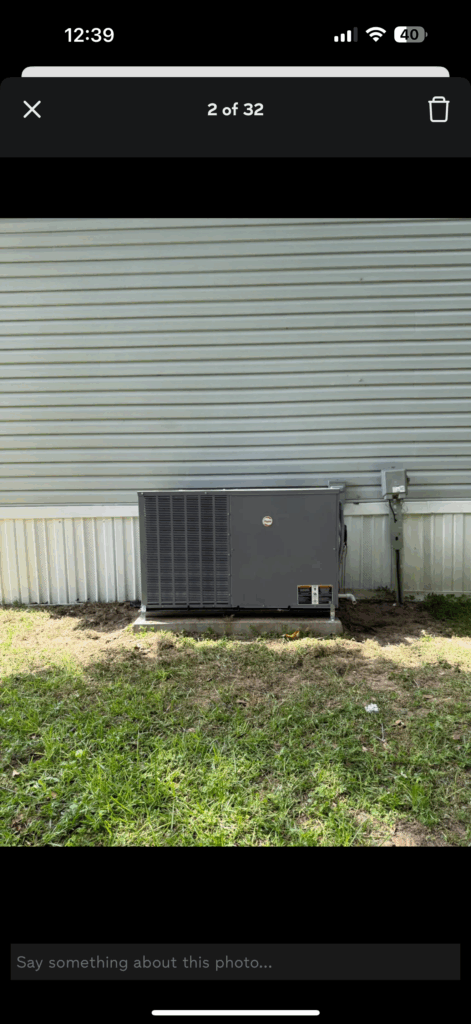
Ceiling Fans and AC Work Together to Reduce Peak Hour Energy Use
Many Florida utility providers charge higher rates during peak demand hours, usually in the late afternoon and early evening when air conditioning use across the region surges. Ceiling fans give homeowners a powerful tool for reducing energy use during exactly those expensive hours. By raising the thermostat a few degrees during peak times and letting fans handle the comfort gap, you shift your cooling load away from the priciest part of the day. Over a billing cycle, this kind of timing strategy can produce savings that go well beyond the simple wattage difference between the two appliances. Homeowners on time-of-use rate plans see some of the biggest benefits from this approach. The goal is to let the AC do most of its work during cheaper hours and lean on the fans when rates climb.
Smart thermostats often include peak hour features that automatically adjust settings during the most expensive parts of the day. Pairing these features with ceiling fans creates a cooling routine that works in the background to keep bills low without constant input from you. Some utility companies even offer rebates or rate discounts to customers who participate in demand response programs that use this kind of automated adjustment. These programs reward the same behavior that ceiling fans make comfortable, which is letting indoor temperatures drift slightly higher during peak demand. The financial upside can be significant for households that take advantage of every available option. A short setup conversation with your utility provider can reveal opportunities you may not have known existed.
Reducing peak hour energy use also helps the broader electrical grid, especially during the long, hot Florida summers when demand can strain local infrastructure. When many homes lean on ceiling fans and ease back on the AC at the same time, the cumulative effect helps stabilize the grid and reduce the chance of brownouts or outages. This is a small but real benefit that adds a community dimension to a personal savings strategy. For homeowners who care about both their wallet and their neighborhood, the ceiling fan and AC partnership is a quiet win on both fronts. It is one of those rare situations where the best choice for your bill is also the best choice for everyone around you. Small actions in many homes add up to a stronger, more reliable energy system overall.
Ceiling Fans and AC Work Together With Regular AC Maintenance
Even the best fan strategy cannot make up for an air conditioner that is dirty, low on refrigerant, or running with worn components. Regular maintenance keeps your AC running at its rated efficiency, which means every minute it operates produces the maximum amount of cooling for the electricity it uses. Dirty coils, clogged filters, and aging capacitors all force the system to work harder for the same output, which wipes out the savings you would otherwise gain from ceiling fan use. A professional tune-up addresses these issues before they grow into expensive repairs or full system failures. For Florida homeowners, an annual service visit is one of the most cost-effective investments you can make in your home. The savings from a clean, well-tuned system show up on every monthly bill.
Air filter changes are a simple maintenance task that homeowners can handle on their own, and they have a direct impact on how well ceiling fans and AC work together. A clogged filter restricts airflow through the system, which makes the indoor blower work harder and reduces the amount of cooled air reaching your vents. Even with ceiling fans helping to circulate air, a starved system cannot keep up on the hottest days, and the compressor ends up running longer cycles than it should. Replacing filters every one to three months keeps airflow strong and lets the rest of your cooling strategy work as intended. This small habit protects both your equipment and your energy budget. Many homeowners are surprised by how much better their AC performs after a simple filter change.
Duct cleaning and inspection round out the maintenance picture, especially for older Winter Garden homes where ductwork may have accumulated years of dust, debris, or even small leaks. Leaky ducts can dump cooled air into attics or wall cavities where ceiling fans cannot reach, which means you pay to cool spaces that do nothing for your comfort. Sealed, clean ducts deliver more cooled air to the rooms that matter, where ceiling fans can then distribute it efficiently. Need duct service to get the most from your cooling system? Click here for our air duct services. A complete cooling strategy includes the equipment, the airflow path, and the air movement inside each room, and all three need to be working well together.
Why You Need Professional AC Service to Maximize Ceiling Fan Savings
Getting the full benefit of pairing ceiling fans with your air conditioner depends on having an AC system that is healthy, properly sized, and well maintained. A struggling system cannot deliver the consistent cooling that makes the fan strategy work, and small problems often grow into expensive failures during the brutal Florida summer. Professional service catches those problems early, restores lost efficiency, and gives you the foundation you need for a low-cost cooling season. Legion Cooling has helped families across Winter Garden, Horizon West, Windermere, and the surrounding areas keep their systems running at their best for years. When your AC is in good shape, every other energy-saving habit, including ceiling fan use, produces stronger results. That is why professional care is the first step in any serious effort to lower your cooling bills.
Professional AC Service Helps Ceiling Fans and AC Work Together Smoothly
A trained HVAC technician looks at your entire cooling system as one connected piece of equipment, not just the outdoor unit or the thermostat. During a service visit, they check refrigerant levels, test electrical components, inspect the blower motor, and measure airflow through your vents. Each of these factors affects how well your AC delivers cooled air into the rooms where ceiling fans can then move it around. When even one component is underperforming, the system loses efficiency and the savings from your fan strategy shrink. Professional service brings everything back into balance so the whole cooling routine works the way it should. That balance is what turns a good idea into real money saved each month.
Technicians also help homeowners understand how their specific system behaves under different conditions, which is valuable information for building a smart cooling routine. They can point out which rooms tend to run warm, which vents may need adjustment, and where ceiling fans would do the most good. This kind of expert input takes the guesswork out of placement and settings, especially in larger homes or those with complicated layouts. Many homeowners are surprised at how much better their home feels after a few small changes recommended by a professional. The fan and AC strategy works in any home, but it works best when tuned to the unique features of yours. A short conversation with a technician can unlock improvements you might never spot on your own.
Ongoing maintenance plans make this kind of expert care easy to keep up with year after year. Scheduled visits in spring and fall catch problems before peak season and keep your system ready for the next round of heavy use. These plans usually include priority service, discounts on repairs, and reminders so you never miss an important checkup. For families who want peace of mind along with lower bills, a maintenance plan is one of the simplest tools available. It turns home cooling from a source of stress into a system that quietly does its job all year long. The savings on bills and repairs usually cover the cost of the plan many times over.
Professional AC Service Keeps Ceiling Fans and AC Work Together Reliably
Reliability matters in Central Florida, where a broken air conditioner in July can turn a comfortable home into an unbearable one within hours. Ceiling fans alone cannot keep up with summer heat once the AC stops working, no matter how efficient your routine has been up to that point. Professional service reduces the chance of breakdowns by catching worn parts, electrical issues, and refrigerant problems before they cause a full failure. This proactive approach protects your family from the worst summer surprises and keeps your energy-saving strategy on track. A reliable AC is the backbone of every smart cooling habit, including the use of ceiling fans. Without it, even the best plans fall apart on the hottest days.
Regular service also helps your system maintain its manufacturer warranty, which is an often-overlooked benefit of professional care. Most major AC manufacturers require documented annual maintenance to keep warranty coverage in force, and missing those visits can leave you on the hook for expensive repairs. A professional technician keeps records of every visit and every service performed, which provides the paperwork you need if a warranty claim ever comes up. This kind of protection adds real financial value on top of the energy savings you gain from a well-tuned system. For homeowners with newer equipment, it is one of the smartest reasons to schedule yearly service. The peace of mind alone is worth the cost of a tune-up.
Need an experienced team to keep your cooling system in top shape? Click here for our full list of HVAC services. Legion Cooling offers everything from tune-ups and repairs to full system replacements, and our technicians treat every home with the same care they would give their own. We help homeowners get the most out of every cooling habit, including the smart use of ceiling fans alongside the AC. When the system is healthy, the savings strategy works, and your family stays comfortable through every Florida summer.
Why Choose Legion Cooling for Your AC Service Needs
Legion Cooling is a family-owned, faith-driven HVAC company based right here in Winter Garden, and we serve homeowners across Central Florida with honest, expert service. We believe in straightforward quotes with no hidden fees, so the price we give you is the price you pay. Every technician on our team is licensed, insured, and trained to handle the full range of cooling and heating needs for Florida homes. We treat each customer like a neighbor because most of them are, and that local connection shapes everything we do.
We know how important comfort is during long Central Florida summers, which is why we focus on getting every job done right the first time. Our team helps homeowners build complete cooling strategies, including smart use of ceiling fans, proper thermostat settings, and well-maintained equipment. We also offer financing options to make larger repairs and system upgrades easier on family budgets. Whether you need a quick tune-up or a full system replacement, we treat your time and your home with respect. That commitment is what keeps our customers calling us back year after year.
When you choose Legion Cooling, you choose a team that cares about doing the work right and treating people the right way. Our service area covers Winter Garden, Horizon West, Windermere, Clermont, Ocoee, Apopka, Winter Park, and many other communities across the region. We are ready to help you lower your cooling bills, improve your comfort, and protect your investment in your home. Call us today at (321) 316-2422 or email info@legioncooling.com to schedule your service. Let our family help your family stay cool, comfortable, and confident in your home all summer long.