How to Protect Your HVAC During Hurricane Season
Hurricane season runs from June through November, and Central Florida sits right in the path of these powerful storms. Your HVAC system is one of the most expensive pieces of equipment in your home, and it is also one of the most exposed. High winds can turn loose debris into projectiles that crack condenser coils and bend fan blades. Heavy rain and storm surge can flood outdoor units and destroy electrical components in minutes. Power surges before and after outages can fry compressors, capacitors, and control boards. The good news is that a few smart steps before and after a storm can save you thousands of dollars in repairs. This guide covers exactly how to protect your HVAC during hurricane season, from preparation to recovery.
How to Prepare Your Air Conditioner Before a Hurricane Hits
Preparation is the single most important part of protecting your air conditioner from hurricane damage. Most storm related HVAC failures happen because homeowners waited until the last minute or skipped basic steps entirely. You should start your hurricane prep as soon as a storm enters the forecast, not when the wind starts howling. That means securing the outdoor unit, shutting the system down properly, and safeguarding the electrical components that keep everything running. Each of these steps takes less than an hour, and together they dramatically reduce your risk of a major repair bill. A little effort now beats weeks without cooling in the brutal Florida heat later. Insurance claims for HVAC storm damage can also take months to process, so prevention protects your comfort and your wallet. If your system already has issues, get them fixed before storm season peaks; click here for our air conditioning services to schedule a checkup.
Secure Your Outdoor AC Unit Before a Hurricane
Your outdoor condenser unit takes the brunt of hurricane force winds, so securing it should be your first priority. Start by checking that the unit is bolted to its concrete pad; older installations sometimes rely on weight alone, and that is not enough in a Category 3 storm. Hurricane straps or metal tie down kits are inexpensive and can be installed in an afternoon. Florida building code actually requires condenser anchoring in many jurisdictions, yet plenty of older homes were never brought up to standard. Walk around your yard and remove anything that could become airborne, including patio furniture, potted plants, grills, and loose fence boards. A single flying lawn chair can destroy a condenser coil and total the entire unit. Trim back tree branches that hang anywhere near the condenser, because falling limbs are one of the most common causes of storm damage. Ten minutes of yard work can prevent a four figure repair.
Covering the unit is another smart move, but you have to do it correctly. Use a manufacturer approved cover or secure a piece of plywood over the top of the unit to shield the fan from falling debris. Never wrap the condenser tightly in plastic while it is still running, because the unit needs airflow to operate and trapped moisture causes corrosion. Only cover the unit after you have shut the system down completely. Some homeowners build permanent debris screens or small protective enclosures, which work well as long as they maintain the clearance the manufacturer requires. Two feet of open space around the condenser is the general rule for proper airflow. Make sure any cover or screen is anchored securely, since a loose cover becomes debris itself. Remove the cover as soon as the storm passes so the unit can breathe again.
Elevation matters just as much as anchoring in flood prone parts of Central Florida. If your condenser sits low to the ground, storm surge or standing water can submerge the electrical components and ruin the unit. A licensed HVAC contractor can raise the condenser onto a taller pad or mounted platform above the expected flood line. This is especially important for homes near lakes, retention ponds, and low lying neighborhoods around Orlando and Winter Garden. Heat pumps and mini split outdoor units need the same treatment, since they contain the same vulnerable electrical parts. Document the current condition of your unit with photos before the storm arrives. Those photos become critical evidence if you need to file an insurance claim later. Preparation and documentation together give you the strongest possible position after a storm.
Shut Down Your HVAC System Before a Hurricane Makes Landfall
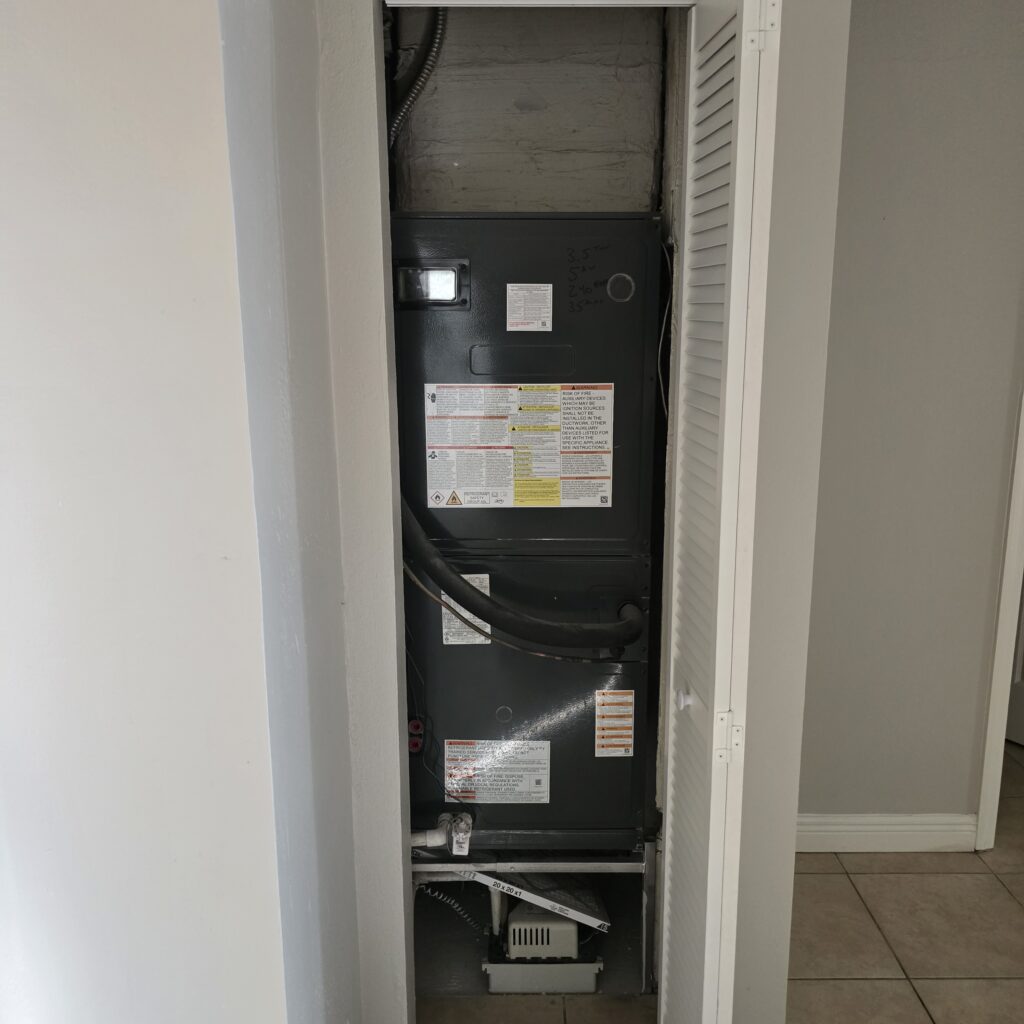
Knowing when and how to shut down your HVAC system before a hurricane is just as important as physical protection. Run your air conditioner at a lower temperature than usual in the hours before the storm arrives. Cooling your home down to around 70 degrees builds a buffer of cold air that keeps the house comfortable longer once the power goes out. Close blinds and curtains to hold that cool air inside. Once winds pick up or the storm is within a few hours of landfall, turn the system off completely at the thermostat. Then flip the breaker for both the indoor air handler and the outdoor condenser. Shutting off power protects the equipment from the voltage spikes that come with lightning strikes and grid failures. A system that is off cannot be damaged by a surge traveling through active circuits.
Never run your air conditioner during the storm itself, even if you still have power. Flying debris can strike the spinning condenser fan and destroy the motor instantly. Rain driven sideways at 100 miles per hour can force water into places it was never designed to go. If flood water starts rising around your home, cutting power to the HVAC system also reduces the risk of electrical shorts and fire. Keep the system off until the storm has fully passed and conditions are safe. Resist the urge to restart it the moment the sky clears, because the back side of a hurricane often brings a second round of destructive winds. Wait for official confirmation that the storm has moved on. Patience here protects both your equipment and your family.
Generator users need to take extra precautions during shutdown and restart. Most portable generators cannot handle the startup surge of a central air conditioner, and trying to run one anyway can damage the compressor. If you have a whole home standby generator, confirm it is rated for your HVAC load before the storm hits. Never backfeed a generator into your electrical panel without a transfer switch, since this endangers utility workers and violates code. When power is restored after the storm, wait a few minutes before restoring the HVAC breakers, because the grid often delivers unstable voltage in the first moments. Turn the thermostat back on only after the breakers are set. Listen for unusual sounds during the first startup cycle. Any grinding, buzzing, or clicking means you should shut it down and call a professional immediately.
Protect Your Thermostat and Electrical Components Before a Hurricane
The electrical side of your HVAC system is often the first thing a hurricane destroys, and it is also the easiest to protect in advance. Power surges are the silent killer during storm season; a single lightning strike near your home can push thousands of volts through your wiring in a fraction of a second. That surge can fry your thermostat, control board, capacitor, and compressor all at once. A whole home surge protector installed at your electrical panel is the best defense, and it protects every appliance in the house, not just the HVAC system. Dedicated HVAC surge protectors mounted at the condenser add a second layer of security. These devices cost far less than a single compressor replacement. Have a licensed professional install them before the peak of hurricane season. Waiting until a storm is named means installers will be booked solid.
Smart thermostats deserve special attention during hurricane prep. These devices contain sensitive circuit boards that surges can destroy even when the HVAC system is off. Take a photo of your current thermostat settings and schedules before the storm, since a power loss can wipe programmed configurations. Some homeowners remove battery powered smart thermostats entirely and store them safely during major storms. Check that your thermostat batteries are fresh so the device retains settings through an outage. If your home uses a low voltage transformer for the thermostat circuit, a surge there can disable the whole system even when the main components survive. An outdated or malfunctioning thermostat is worth replacing before storm season rather than after. Need a thermostat upgrade or protection advice? Click here for our thermostat services.
Do not forget the smaller electrical details that make a big difference. Inspect the disconnect box next to your outdoor unit and make sure the cover closes tightly, because a loose cover lets driving rain reach live connections. Check that the conduit running from the disconnect to the condenser is intact and sealed. Look at the wiring entering your air handler in the garage or attic for any exposed or corroded sections. Seal any gaps where refrigerant lines and wiring pass through exterior walls, since wind driven rain exploits every opening. Label your HVAC breakers clearly so anyone in the household can shut the system down quickly. Keep a flashlight near the panel for emergencies. Small preparations like these turn a chaotic storm night into a manageable one.
What to Do With Your HVAC System After a Hurricane Passes
The hours after a hurricane are just as dangerous for your HVAC system as the storm itself. Homeowners who rush to restore cooling often turn minor damage into catastrophic failure. Water inside electrical components, debris lodged in the fan, and bent refrigerant lines can all hide behind a unit that looks fine from a distance. Restarting a damaged system can short circuits, burn out motors, and even start fires. The right approach is a careful inspection before you touch a single switch. This section walks you through exactly what to check, what warning signs demand professional attention, and when it is safe to restart. Following these steps protects your equipment and keeps your family safe. It also creates the documentation you need if an insurance claim becomes necessary.
Inspect Your AC Unit for Damage After a Hurricane
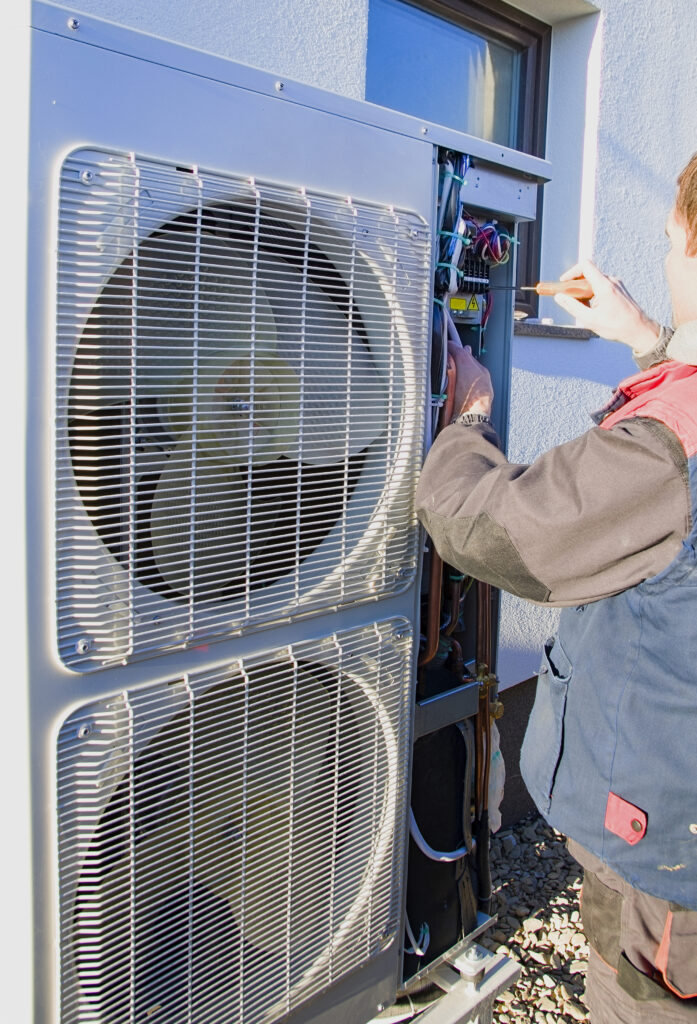
Start your post hurricane inspection with a slow, careful walk around the outdoor condenser unit. Look for dents in the cabinet, bent or flattened coil fins, and any debris lodged in the fan grille. Check that the unit is still sitting level on its pad, because shifting or tilting can strain refrigerant lines and cause leaks. Examine the copper lines running from the condenser to your home for kinks, cracks, or damaged insulation. A hissing sound near the unit is a strong sign of a refrigerant leak, and that requires immediate professional service. Remove any leaves, branches, and trash from around the unit so airflow is not blocked. Take photos of everything you find, even damage that seems minor. Thorough documentation now makes the insurance process far smoother later.
Move inside and inspect the indoor components with the same care. Check your air handler, usually located in a garage, closet, or attic, for any signs of water intrusion. Look for water stains on the cabinet, wet insulation around the unit, and moisture in the emergency drain pan. Roof damage during a hurricane often sends water straight into attic mounted air handlers. Inspect visible ductwork for crushed sections, disconnected joints, or water pooling inside. Wet ducts and wet insulation become breeding grounds for mold within 24 to 48 hours in Florida humidity. Sniff around the vents for musty odors once the system runs again. Any moldy smell means you should stop and schedule an indoor air quality evaluation right away.
Know the difference between what you can check yourself and what demands a trained technician. Visual inspections, debris removal, and filter changes are safe homeowner tasks. Anything involving refrigerant, electrical testing, or opening sealed panels belongs to a licensed professional. Refrigerant is under high pressure and can cause frostbite injuries on contact; handling it also requires EPA certification under federal law. Capacitors hold a dangerous electrical charge even when the power is off. If the unit was submerged at any point, do not restart it under any circumstances until a technician clears it. Flood damaged electrical components often work briefly and then fail catastrophically. A professional inspection after a major storm is cheap insurance against a much bigger loss.
Watch for Flooding Around Your HVAC System After a Hurricane
Flooding is the most destructive threat a hurricane poses to HVAC equipment, and Central Florida’s flat terrain makes standing water a common problem. Even a few inches of water around your condenser can wreck the fan motor, compressor terminals, and wiring connections. Salt content in storm surge accelerates corrosion and makes damage even worse for coastal properties. If water reached your outdoor unit, leave the power off and call a professional before doing anything else. The unit may look dry on the outside while water sits trapped inside the electrical compartment. Corrosion from flood exposure often takes weeks to cause a failure, which fools homeowners into thinking they escaped damage. A technician can open the unit, test the components, and tell you definitively what survived. Insurance adjusters also rely on professional assessments to approve flood related claims.
Indoor flooding creates its own set of HVAC dangers that many homeowners overlook. Water in the home can soak the air handler, saturate duct insulation, and contaminate the entire air distribution system. Flood water is not clean; it carries sewage, chemicals, and bacteria that settle inside your ductwork. Running the system after indoor flooding blows those contaminants into every room of your house. Ducts that took on water usually need professional cleaning or full replacement to be safe again. Drywall and insulation near HVAC components must dry completely before the system operates. Dehumidifiers and fans help, but Florida humidity slows the process considerably. When in doubt, have the ductwork professionally evaluated; click here for our air duct services to schedule an assessment.
Drainage problems that show up after a storm deserve attention too, because they set you up for damage in the next one. Notice where water pooled in your yard during the hurricane and how close it came to your equipment. Grading the soil away from the condenser pad prevents future pooling. Clearing gutters and extending downspouts keeps roof runoff away from the unit. Your condensate drain line also needs a check after heavy storms, since debris and displaced water can clog it. A clogged condensate line backs water up into the air handler and shuts the system down. Pour a cup of vinegar into the drain line access point to keep it clear. Small drainage fixes now prevent repeat damage every storm season.
Schedule a Professional HVAC Inspection After a Hurricane
A professional inspection after a hurricane catches the damage your eyes cannot see. Technicians use gauges to verify refrigerant pressure, meters to test electrical components, and trained judgment to spot early failure signs. A capacitor weakened by a surge may run for weeks before it dies on the hottest day of the year. A small refrigerant leak from a stressed line slowly starves the compressor until it burns out. Coil fins bent by debris reduce efficiency and drive up your electric bill every month. These hidden problems compound over time, and catching them early keeps repairs small and affordable. Most post storm inspections take under an hour. That hour can add years to the life of your system.
Timing matters when you book your inspection. Demand for HVAC service spikes enormously after a major hurricane, and reputable local companies book out quickly. Call as soon as you notice any warning sign rather than waiting for a complete breakdown. Warning signs include weak airflow, warm air from the vents, new rattling or buzzing sounds, burning smells, and breakers that trip repeatedly. Be cautious of out of town storm chasers who flood disaster areas with door to door repair offers. These operators often lack Florida licensing, perform shoddy work, and disappear before problems surface. Always verify a contractor’s license and insurance before letting them touch your system. A trusted local company will still be here next season to stand behind their work.
Your inspection also produces documentation that strengthens any insurance claim. A written report from a licensed HVAC contractor carries far more weight with adjusters than homeowner photos alone. The report establishes the cause of damage, the scope of repairs, and fair replacement costs. Keep copies of all inspection reports, invoices, and photos in one folder. File claims promptly, since most policies have strict reporting deadlines after a named storm. Some damage, like slow corrosion from flood exposure, needs professional attribution to the storm event to qualify for coverage. Ask your technician to note storm related findings explicitly in writing. Good documentation turns a stressful claims process into a straightforward one.
Why You Need Professional HVAC Hurricane Protection in Central Florida
Hurricane season is a fact of life in Central Florida, and your HVAC system faces this threat every single year. DIY preparation helps, but professional protection takes your defense to another level. Licensed technicians can anchor equipment to code, install surge protection, elevate flood prone units, and catch weaknesses before a storm exposes them. They also provide the fast, trustworthy response you need when a storm leaves your home without cooling in 95 degree heat. Professional hurricane protection is an investment that pays for itself the first time a storm rolls through. Here is why partnering with a local HVAC expert matters before, during, and after hurricane season.
Professional HVAC Hurricane Prep Saves You Money
The math on professional hurricane preparation is simple and compelling. A full system replacement in Central Florida runs many thousands of dollars, while professional storm prep costs a small fraction of that. Hurricane straps, surge protectors, and pad elevation are one time investments that protect your equipment for years. A pre season tune up catches loose connections, weak capacitors, and refrigerant issues before storm stress turns them into failures. Systems in good repair survive storms at far higher rates than neglected ones. Prevention is always cheaper than replacement.
Energy savings add to the financial case throughout the season. A hurricane damaged system that limps along with bent coils or low refrigerant works harder and consumes more electricity every day. Small efficiency losses of 10 to 20 percent add up fast on a Florida summer power bill. Professional repairs restore full efficiency and stop the bleeding. Insurance benefits matter too, since insurers look favorably on documented professional maintenance when evaluating claims. Some policies even require proof of reasonable care to pay out fully.
Financing removes the last barrier to proper protection. Legion Cooling offers financing options so you never have to choose between hurricane readiness and your monthly budget. Straightforward quotes with no hidden fees mean you know the full cost before any work begins. There are no surprise charges after the job, ever. Spreading the cost of surge protection or a system upgrade over manageable payments makes sense when the alternative is a massive emergency expense. Protecting your home should not require draining your savings.
HVAC Hurricane Protection Keeps Your Family Safe
Hurricane HVAC protection is about more than equipment; it is about the people in your home. Florida heat turns deadly fast when cooling fails after a storm, especially for young children, elderly family members, and anyone with health conditions. Indoor temperatures in a powerless home can climb past 90 degrees within hours. Heat exhaustion and heat stroke send thousands of people to emergency rooms after every major hurricane. A protected system that restarts safely gets your home livable again quickly. That speed matters most for the most vulnerable people under your roof.
Electrical safety is another serious concern that professional protection addresses. Storm damaged HVAC wiring can short, spark, and ignite fires days after the skies clear. Flood exposed components pose shock hazards to anyone who touches the equipment. Professional inspections identify these dangers before they hurt someone. Proper shutdown procedures and surge protection eliminate most electrical risks entirely. Peace of mind during a stressful storm is worth every penny.
Air quality after a storm affects your family’s health for months if it goes unaddressed. Moisture in ducts and air handlers feeds mold growth within two days in Florida humidity. Mold spores circulating through your vents trigger allergies, asthma attacks, and respiratory illness. Children and seniors suffer these effects most severely. Professional post storm evaluations catch moisture problems before mold takes hold. Clean, dry, properly functioning HVAC equipment keeps the air your family breathes safe.
Why Choose Legion Cooling for HVAC Hurricane Protection
Legion Cooling is family owned, faith driven, and committed to honest expert service for our Central Florida neighbors. We live here too, and we ride out the same storms you do. When a hurricane threatens Winter Garden, Clermont, Kissimmee, or anywhere across our service area, we prepare our own homes with the exact methods we recommend to you. Our team is licensed and insured, so every job meets Florida code and every promise is backed by real accountability. We are locally owned and operated with integrity. That means we answer to our community, not a distant corporate office.
Our approach to pricing sets us apart during the chaos of storm season. You get straightforward quotes with no hidden fees, before any work starts. We will never exploit a post hurricane emergency to inflate prices the way storm chasers do. Financing is available so urgent protection and repairs fit your budget. We explain every recommendation in plain language and let you make informed decisions. Honest service is not a slogan for us; it is how we operate every day.
We are committed to getting it done right every time, on the first visit. From hurricane straps and surge protectors to full post storm inspections and repairs, our technicians handle it all with care. We serve homeowners and businesses throughout Central Florida, from Windermere and Dr. Phillips to Apopka, Lake Mary, and beyond. See what your neighbors say about us on our reviews page. Call Legion Cooling today at (321) 316-2422 or email info@legioncooling.com to schedule your hurricane protection service. Storm season will not wait, and neither should you.