
Why You Should Test Your Heat Before Really Winter Hits
Living in Winter Garden means adapting to a climate that is heavily skewed toward heat. We spend the vast majority of our year relying on our air conditioners to battle the intense humidity and high temperatures. The cooling system is the hero of the Florida home. It runs almost continuously from March through November. Because we rely on it so heavily for cooling, it is easy to forget that this same system serves a second, equally critical function. It is also your heater. For most of the year, the heating components of your HVAC system sit completely dormant. They collect dust. They sit idle in the dark recesses of your attic or garage. We tend to ignore them right up until the moment we actually need them.
This tendency to procrastinate is human nature, but it is a recipe for discomfort. The Florida winter is unpredictable. It often arrives not with a gradual cooling, but with a sudden, sharp drop in temperature. One day it is eighty degrees and sunny. The next morning, you wake up to temperatures in the thirties or forties. This is the moment when thousands of homeowners across Central Florida simultaneously walk to their thermostats and flip the switch to heat. For many, this simple action results in nothing but cold air, a burning smell, or a system that refuses to turn on at all. Testing your heat before the cold actually arrives is the only way to ensure your home remains comfortable and safe when the weather turns.
The Problem With Dormancy
Mechanical systems do not like to sit idle. Think about a car that has been parked in a garage for ten months without being started. You would not expect to jump in, turn the key, and drive it across the country without checking the tires, the battery, and the oil first. Your heating system is no different. For the majority of the year, the heating elements, reversing valves, and gas burners have done absolutely nothing. While the blower motor has been running to move cool air, the specific components responsible for generating heat have been inactive.
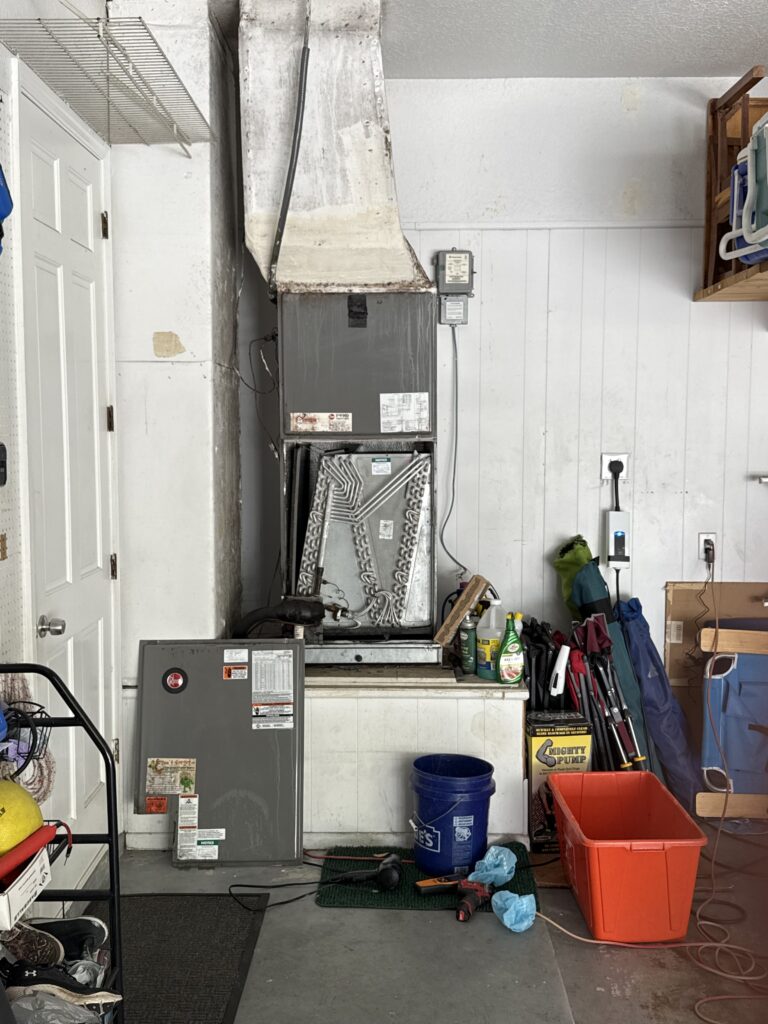
During this long period of dormancy, several things happen inside your unit. Dust is the most persistent enemy. In a standard electric strip heating system, which is common in Winter Garden, the heating coils act like a magnet for airborne particles. Over months of disuse, a thick layer of dust, lint, and pet dander accumulates on these coils. In gas furnaces, spiders and insects can build webs inside the burners or the flue pipe. Rust can form on the heat exchanger or electrical contacts due to our high humidity levels.
When you turn the system on for the first time under the stress of a freezing night, you are asking these dirty, rusty, and untested components to perform instantly. If a layer of dust prevents the heat strips from dissipating heat correctly, they can overheat and burn out. If a spider web blocks a gas orifice, the burner might not ignite smoothly. Testing the system early allows you to clear out the cobwebs, literally and figuratively, in a controlled manner. It allows the system to wake up from its long nap without the pressure of an emergency situation.
Beating the inevitable Rush
The HVAC industry in Florida operates on a predictable cycle. The first truly cold night of the year is always the busiest day for service calls. It is a chaotic event. Thousands of systems fail simultaneously because they are all being stressed for the first time at the exact same moment. Phone lines at every local HVAC company light up. Schedules fill up instantly. Wait times for a repair can stretch from hours into days.
Need your furnace repaired? Click here for our furnace repair service.
If you wait until you are freezing to find out your heater is broken, you are putting yourself at the mercy of this supply and demand curve. You become one of hundreds of people trying to get a technician to their home. This often means paying emergency service fees or enduring a cold house while you wait for an appointment slot to open up. It is a stressful and expensive way to manage your home comfort.
Testing your heat early is a strategic move. It allows you to identify problems when the weather is still mild. If you find an issue in late October or early November, you have the luxury of time. You can schedule a repair at your convenience. You are not competing with the rest of Winter Garden for a technician’s time. You can get the problem fixed during regular business hours, avoiding overtime rates. It turns a potential crisis into a manageable maintenance task. You essentially skip the line and ensure that when the cold snap finally hits, your system is ready to perform while others are scrambling for help.
The Phenomenon of the Burning Smell
One of the most alarming experiences for a homeowner is turning on the heat and immediately smelling smoke. This is extremely common in Florida. As mentioned earlier, dust accumulates on the heating elements throughout the year. When you activate the heat strips, they get incredibly hot, glowing red like a toaster oven. This intense heat incinerates the layer of dust that has built up.
The result is a sharp, acrid smell of burning dust that is blown through every vent in your house. In many cases, this smoke is thick enough to set off your smoke detectors. Imagine this scenario on a cold night. It is forty degrees outside. You turn on the heat to get warm. Suddenly, the house smells like a fire, the smoke alarms are screeching, and you are forced to open all the windows and doors to air out the smell. You end up colder than when you started, and now you are panicked that your house is on fire.
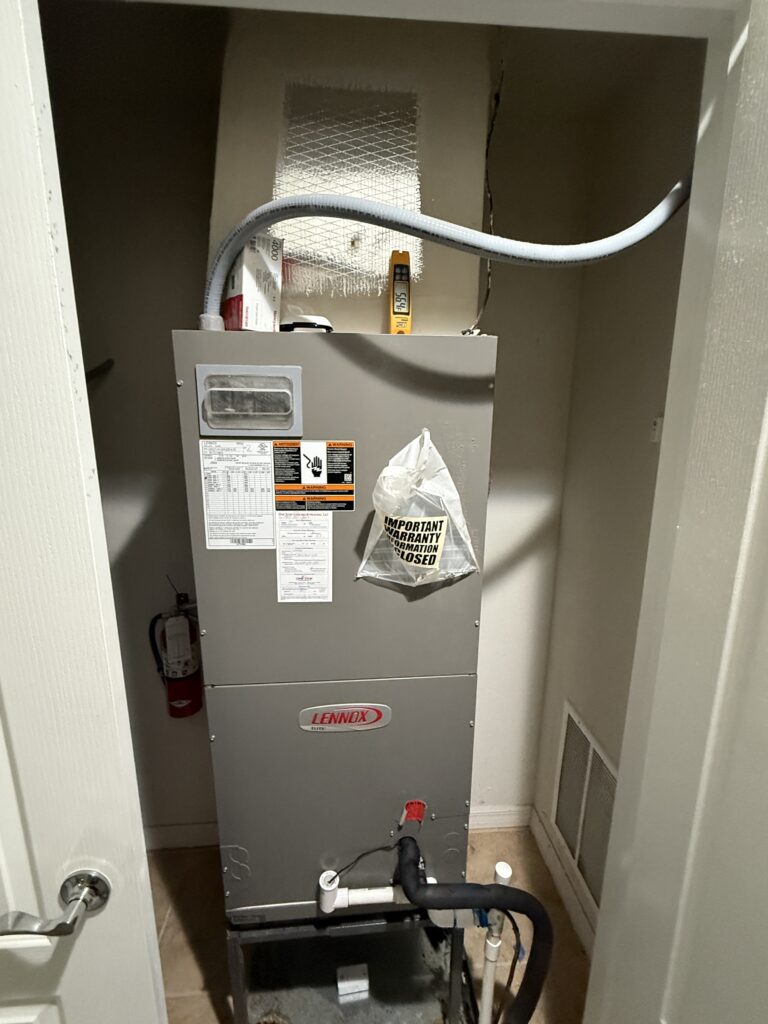
Testing your heat early allows you to manage this “burn off” process. You can choose a mild day when it is seventy degrees outside. You can open the windows and doors proactively. You turn the heat on and let it run for ten or fifteen minutes. The dust burns off, the smell dissipates through the open windows, and you verify that the system is working. You clear the air without the panic and without freezing your family. If the smell persists for more than a mild burn off period, or if it smells like melting plastic, you know you have a real electrical problem that needs professional attention before winter begins.
Verifying the Reversing Valve
Many homes in Winter Garden utilize heat pumps. A heat pump is a versatile system that provides both cooling and heating from the same unit. It works by moving heat rather than creating it. In the summer, it moves heat from inside your house to the outside. In the winter, it reverses the process and pulls heat from the outdoor air to bring it inside. The critical component that makes this switch possible is called the reversing valve.
The reversing valve sits outside in the condenser unit. It is a mechanical slide that redirects the flow of refrigerant. For ten months of the year, this valve sits in the “cool” position. It can sometimes get stuck. Corrosion or mechanical failure can cause the valve to seize in place. When you flip the thermostat to heat, the electrical signal is sent, but the mechanical valve fails to slide.
If this happens, your outdoor unit will continue to run in cooling mode while your indoor thermostat is asking for heat. You might not notice immediately because the fan is blowing, but the air coming out of the vents will be cold. You are essentially air conditioning your home when you are trying to warm it. Testing the system early confirms that the reversing valve is free to move. You want to hear that distinct “swoosh” sound of the valve shifting pressures. If it is stuck, it is a repair that requires a professional to handle refrigerant, so catching it early is essential.
Ensuring Safety Measures Are Functional
Heating safety is a serious concern. While air conditioning failures are uncomfortable, heating failures can be dangerous. Heating systems use large amounts of electricity or combustible fuels to generate warmth. This introduces risks of fire and carbon monoxide poisoning that simply do not exist during the cooling season.
For electric systems, the heat strips draw a massive amount of amperage. A loose wire connection that causes no issues during low amp cooling operation can become a major fire hazard under the high load of heating. The heat creates expansion and contraction in the wires, which can loosen connections further. This leads to arcing and sparking. A test run allows you to listen for the buzzing or crackling sounds that indicate an electrical fault.
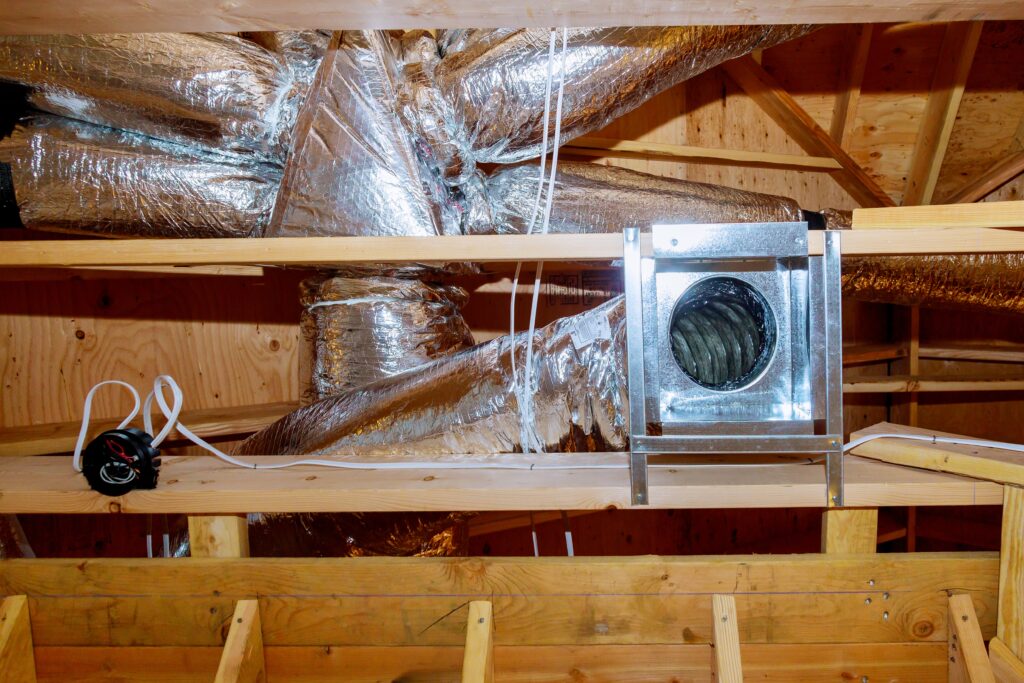
For those with gas furnaces, the stakes are even higher. You need to ensure that the ignition sequence happens smoothly and that the exhaust gases are venting properly. A bird or rodent could have built a nest in the flue pipe during the summer, blocking the escape path for carbon monoxide. If the system cannot vent, safety switches should shut it down. However, you need to verify this before you run the system overnight while your family sleeps. Testing the heat gives you the chance to install fresh batteries in your carbon monoxide detectors and ensure the furnace is operating safely.
How to properly Test Your System
Testing your heat is not a complicated process, but it should be done methodically. You should pick a day when you are home and the weather is mild. Do not just set it and leave. You need to be an active observer. Start by walking to your thermostat. Switch the mode from “Cool” to “Heat.” You will want to raise the set temperature to at least five degrees higher than the current room temperature. This ensures the system gets a strong call for heat and engages all necessary stages.
Once you flip the switch, listen. You should hear the indoor blower fan kick on. If you have a gas furnace, you might hear the inducer motor start first, followed by the click of the igniter and the whoosh of the burners. If you have a heat pump, listen for the outdoor unit to turn on. Go to the vents. You are checking for temperature, but be patient. It might take a minute for the residual cool air in the ducts to be pushed out. The air coming out should be warm. It does not need to be hot enough to burn you, but it should be distinctly warmer than the room air.
Want a system tune up? Click here for more information.
While the system is running, use your nose. Smell the air coming from the vents. As discussed, a slight dusty smell is normal for the first run. A sharp electrical smell or the scent of rotten eggs is not. Walk around the home and ensure warm air is coming from all vents. Sometimes, a zone damper can get stuck, leaving one room freezing while the rest of the house heats up. Let the system run for at least fifteen to twenty minutes. You want it to run a full cycle to ensure it does not short cycle or shut down prematurely due to a safety fault.
Finally, check the thermostat again. Ensure it is actually reading the temperature rise. If the room was seventy degrees when you started, it should eventually read seventy one or seventy two. This confirms the thermostat is calibrated and communicating correctly with the equipment. Once you are satisfied, you can turn the system back to cool or off. If anything failed during this test—if the air never got warm, if there was a loud noise, or if a breaker tripped—you now have the information you need to call Legion Cooling.
The transition from summer to winter in Winter Garden is brief, but the demand it places on your HVAC system is significant. We rely on these machines to keep our families safe and comfortable, yet we often neglect the heating components until the very last minute. Waiting for a freeze to test your heater is a gamble that rarely pays off. It leads to stress, discomfort, high emergency bills, and the potential for safety hazards.
Taking twenty minutes on a mild Saturday to test your heat is one of the smartest things you can do as a homeowner. It gives you the chance to burn off the dust, verify the mechanical operation, and catch any hidden issues before they become emergencies. It allows you to enter the winter season with confidence, knowing that when the temperature drops, your home will remain a warm and inviting sanctuary. If your test run reveals any issues, Legion Cooling is ready to help you fix them on your schedule, ensuring you are prepared for whatever the Florida winter brings.