3 Signs It’s Time to Schedule Service
In your Winter Garden home, your air conditioning system is more than just an appliance; it is the engine of your comfort. It runs almost continuously through the long, humid summers, providing a cool and safe refuge from the Florida heat. Because it is so constant, we often take its normal operation for granted. We get used to the gentle hum of the air handler and the quiet rush of cool air from the vents. When this background noise changes, however, it is a critical mistake to ignore it.
Your HVAC system is a complex piece of machinery. Like any machine, it will almost always provide warning signs before it experiences a catastrophic failure. These signs are the system’s way of communicating distress. Learning to recognize these signals is the key to preventing a minor issue from turning into a major, expensive breakdown. Waiting until the system stops working entirely, especially during the peak of summer, results in emergency calls, uncomfortable days, and repairs that are far more costly than proactive service. Scheduling a professional inspection when you first notice a problem is the most responsible and cost effective approach.
Unusual Noises From Your System
One of the most immediate and alarming warning signs is a new, loud, or persistent noise. Your HVAC system is designed to run quietly. While you will hear the blower motor and the movement of air, these sounds are consistent and low. A sudden change in the sound, or a new noise that appears, is a clear indication that a mechanical component is in distress.
A loud grinding or metallic scraping sound is an extremely serious warning. This often points to a problem with the bearings in one of the system’s motors, such as the indoor blower motor or the outdoor condenser fan. When bearings fail, they are no longer able to support the motor shaft, allowing metal components to grind against each other. This friction generates intense heat and will quickly destroy the motor. If you hear a grinding sound, you should turn off your system immediately to prevent further damage and call for service.
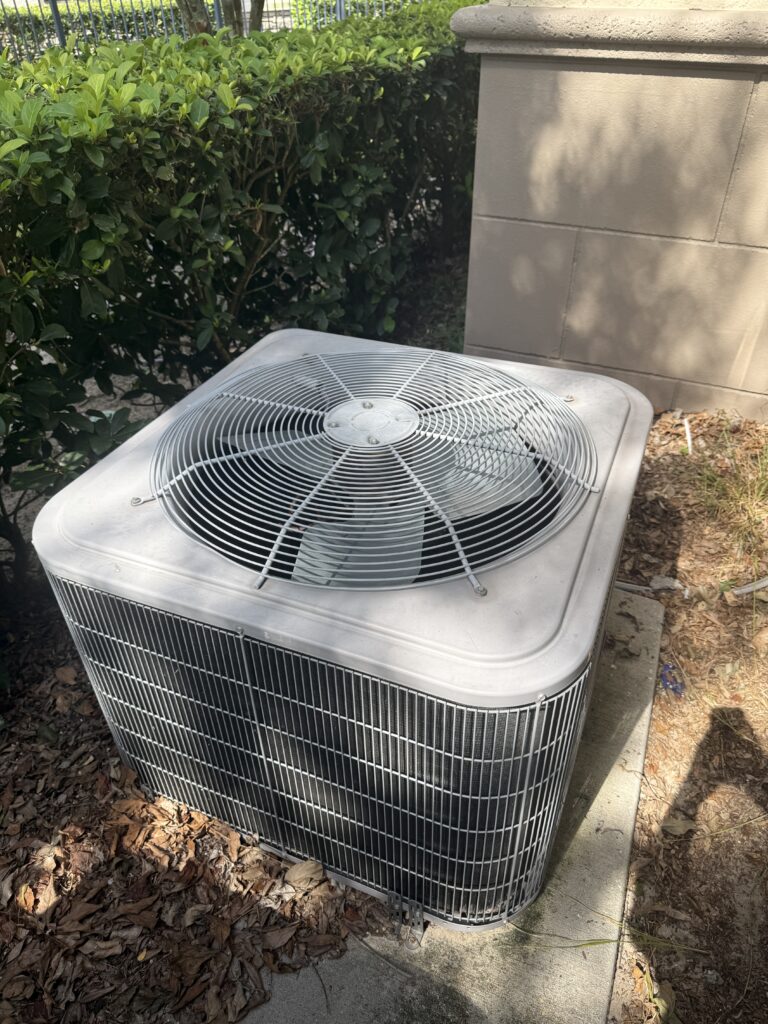
High pitched squealing or screeching sounds are another urgent signal. In older systems, this could indicate a worn or misaligned belt, similar to the fan belt in a car. In most modern systems, a persistent squeal points to a motor bearing that is failing and requires lubrication or replacement. It can also be a sign of dangerously high internal pressure in your compressor. Allowing this to continue can lead to a complete system breakdown.
Loud banging, thumping, or clanking is typically a sign of a loose or unbalanced part. This could be a problem with the blower fan, a loose motor mount, or a failing compressor. As the component spins, the unbalanced or loose part bangs against its housing. This is not only a sign of a broken part but can also cause a cascade of collateral damage, breaking other components in the process.
Clicking and buzzing sounds are often related to the electrical components. While a single click when the system turns on and off is normal, persistent or rapid clicking is not. It can signal a failing relay or a problem with the thermostat. A loud, steady buzzing noise often indicates an electrical issue, such as a failing capacitor or contactor. These components control the flow of electricity to the powerful motors. A malfunction here is a significant fire hazard and needs to be addressed by a professional. Ignoring unusual noises is a gamble that almost always results in a more severe and expensive repair.
Foul or Strange Odors
Your HVAC system circulates all the air in your home. This means that if there is a problem, the system will often distribute a distinct odor, letting your nose know something is wrong. You should never ignore a strong, new smell coming from your vents, as these odors often point to issues of safety or system health.
The most common smell in humid climates like Winter Garden is a musty or mildew odor, often called “dirty sock syndrome.” When you first turn on the AC and get a blast of air that smells like a damp locker room, you are smelling mold and bacteria. This microbial growth is likely flourishing on your system’s indoor evaporator coil or in the condensate drain pan. Because the coil is cold and wet, it provides the perfect environment for mold to grow, especially with our high humidity. A musty smell is a sign that your system is circulating these allergens throughout your home, which can trigger allergies, asthma, and other respiratory problems. This requires a deep, professional cleaning.
Do you need air duct repair? Click here to see our air duct repair service.
A sharp, acrid smell, like burning plastic or rubber, is a severe electrical warning. This odor is often produced when a motor is overheating, a wire’s insulation is melting, or a circuit board is shorting out. This is a very serious fire hazard. If you smell this, you should turn your system off immediately at both the thermostat and the circuit breaker. Do not turn it back on until it has been inspected by a qualified technician.
While many Florida homes use electric heat, some may have natural gas components. If you ever smell sulfur or rotten eggs, this is an additive in natural gas designed to alert you to a leak. If you have any gas appliances, this is an extreme emergency. You should leave your home immediately, without using any electronics or light switches, and call your gas utility from a safe distance.
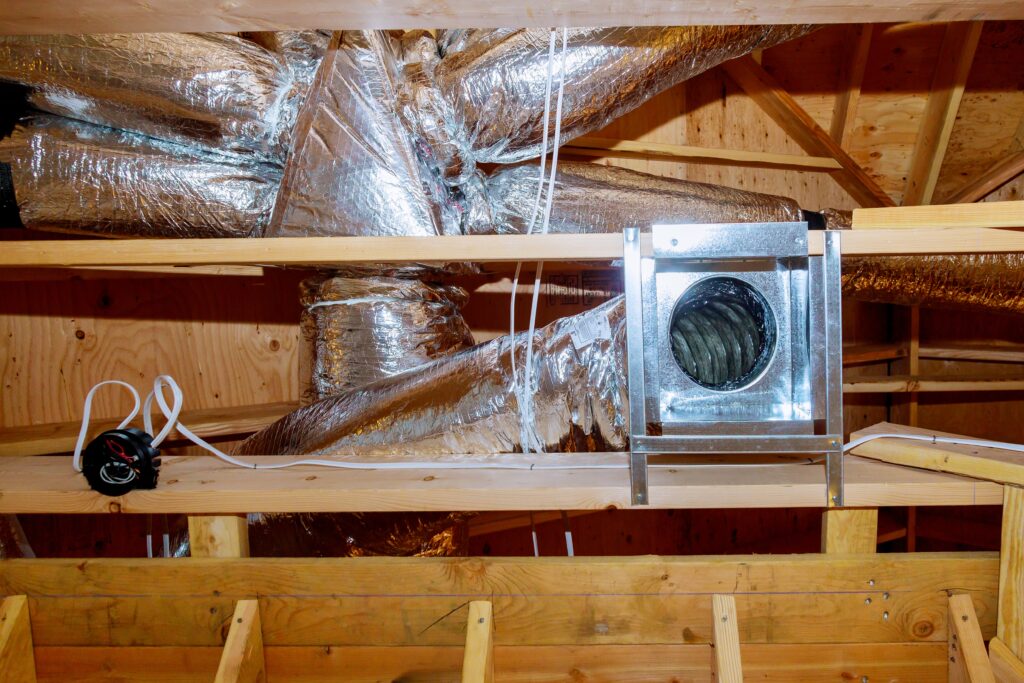
A different kind of foul, decomposing odor can indicate that a bird, rodent, or other pest has unfortunately found its way into your ductwork and expired. The system will distribute the smell of decay throughout the house every time it runs. This is not only unpleasant but a serious hygiene and air quality issue. A professional is needed to locate and remove the source, and then thoroughly clean and sanitize the ductwork to make your home’s air safe to breathe again.
Poor Performance and High Utility Bills
The third major sign is less dramatic than a loud noise or a bad smell, but it is just as serious. This is when your system is simply not performing the way it used to, or the way it should. Many homeowners will slowly acclimate to a gradual decline in performance, not realizing that their system is failing.
The most obvious symptom is a lack of adequate cooling. The system may run constantly, but the house never seems to reach the temperature you set on the thermostat. You may find that some rooms are comfortable while others remain hot. This can be caused by a number of issues. Your system could be low on refrigerant due to a leak. When refrigerant levels are wrong, the system loses its ability to transfer heat effectively. It could also mean your evaporator coil is dirty or frozen, which completely blocks airflow and prevents cooling.
Poor performance and higher costs? Click here to see if it’s your thermostat.
Another key performance issue in our climate is poor dehumidification. A primary function of your air conditioner is to remove humidity from the air. If your home feels cool but also damp, sticky, or clammy, your system is failing at this job. This could be a sign that the system is oversized, or that it is not running efficiently. High indoor humidity is not just uncomfortable; it also creates the ideal environment for mold growth, dust mites, and other allergens to thrive.

Short cycling is another red flag. This is when the air conditioner turns on, runs for only a few minutes, and then shuts off, only to repeat the process a few minutes later. This pattern is incredibly damaging to your system. It puts immense wear on the compressor and fan motors, drastically shortening their lifespan. Short cycling can be caused by a clogged air filter, a faulty thermostat, or a refrigerant leak.
Finally, your utility bill is a monthly report on your HVAC’s health. You know what your bill normally looks like. If you see a sudden, unexplainable spike in your electricity costs, and your habits have not changed, your HVAC system is the most likely culprit. This spike means the system is working much harder and running much longer to achieve the same result. It is consuming excess energy because of an internal problem, such as a dirty coil, a failing motor, or a refrigerant leak. Ignoring this sign means you are paying more money for less comfort.
Your home’s heating and cooling system is a vital, expensive, and complex piece of equipment. It is also your partner in maintaining a comfortable and healthy home. When it develops a problem, it will almost always give you a sign. These warnings, whether they are unusual noises, strange smells, or a simple decline in performance, should never be ignored. They are not minor annoyances; they are clear signals of distress.
Waiting for the system to fail completely is a strategy that guarantees a more expensive repair, more damage to your system, and more discomfort for your family. Proactive service is always the best approach. If you notice any of these signs, contact Legion Cooling. Our professional technicians can diagnose the problem, fix it correctly, and restore your system to its safe and efficient operation. Do not wait for a breakdown; let us help you keep your Winter Garden home cool and comfortable.